Newsletter Article

Turning Over a New Leaf: Bio-Individuality in Modern Herbal Practice

Submitted by admin on Mon, 03/10/2025 - 17:46

Holistic herbal medicine treats each person as an individual, working with the whole plant to heal the whole person. The art of herbal medicine lies in this personalised approach where practitioners choose herbs for the person rather than simply for a particular ailment. Internationally renowned clinical herbalist and ethnobotanist David Winston echoes these sentiments when he says, “we don’t just give herbs to treat symptoms or diseases - we give herbs to people”. However, there is also a modern scientific understanding to this concept of individuality, particularly in the context of health and nutrition, known as “bio-individuality.” i ii

This notion of bio-individuality acknowledges the incredible diversity within our human population and recognises that each person's unique genetic makeup, metabolic processes, microbiome composition and constitutional type influence their response to medicines. Roger J. Williams first proposed this theory in 1956, noting that the variation in chemical composition and enzymatic activities between humans is so large that it's impossible to define a "normal" human. This observation has profound implications for medicine and nutrition, emphasising that interventions should be tailored to the individual. iii iv v vi

Traditional herbal medicine has long recognised that individuals respond differently to the same treatments. As the saying goes, "one man's meat is another man's poison," which explains why treatments that work for one person may not work for another. Consider two patients with osteoarthritis seeking herbal treatment. While both might receive a base formula containing anti-inflammatory herbs such as turmeric and devil's claw, their individual needs require customisation. The first patient, experiencing fatigue, benefits from the addition of adaptogenic herbs such as reishi. The second patient, struggling with sleep issues, responds better when passion flower is included to support restful sleep. By utilising synergistic herbal combinations, practitioners can create formulations that address multiple aspects of an individual's health, enhancing therapeutic effects while minimising side effects. Regular follow-ups allow for prescription adjustments based on individual responses, ensuring optimal outcomes. vii viii

Conventional medicine has only recently embraced similar principles, evolving from a "one size fits all" approach to precision medicine over the past 30 years. This shift was catalysed by the development of affordable DNA sequencing. The goal of precision medicine is to deliver the "five rights": the right patient, drug, time, dose and route based on individual health characteristics. The integration of advanced technologies like omics, biomarkers, artificial intelligence and digital wearables is revolutionising healthcare through personalised diagnostics and treatments. These technological advances are expected to transform traditional herbal medicine as well. Network pharmacology can provide insights into the relationships between botanical substances and biological systems, while genomic medicine allows for customising treatments according to individual genetic profiles. However, challenges such as data integration and privacy issues remain. ix x

Crafting bespoke liquid herbal formulas honours traditional herbal wisdom while paving the way for the future of precision herbal medicine. The convergence of traditional herbal wisdom with modern scientific understanding creates a powerful framework for addressing health challenges. While conventional medicine has only recently begun to embrace personalisation through technological means, herbal medicine has maintained this principle throughout its long history. As both approaches continue to develop, they may find increasing common ground in their recognition that effective healthcare must honour the unique characteristics of each individual. xi xii xiii

As our understanding of bio-individuality continues to evolve it promises to further enhance the efficacy and safety of herbal treatments through increasingly targeted and personalised care. By recognising and respecting each person's unique biological makeup, practitioners can provide more effective solutions to their patients' unique needs moving beyond the one-size-fits-all approach and embracing the rich complexity of human biochemical individuality.

References

i de la Forêt R. Alchemy of Herbs. Hay House:California. 2017 p.11

ii Popham S. Working with the Whole Person. c2014-2025 The School of Evolutionary Herbalism (updated 8 Nov 2023;accessed 24 Feb 2025). Available from https://www.evolutionaryherbalism.com/2023/11/08/working-with-the-whole-person/

iii Patterson AD, Turnbaugh PJ. Microbial determinants of biochemical individuality and their impact on toxicology and pharmacology. Cell Metab. 2014 Nov 4;20(5):761-768. doi: 10.1016/j.cmet.2014.07.002. Epub 2014 Aug 21. PMID: 25156450; PMCID: PMC4252706.

iv Gilani B, Cassagnol M. Biochemistry, Cytochrome P450. [Updated 2023 Apr 24]. In: StatPearls [Internet]. Treasure Island (FL): StatPearls Publishing; 2025 Jan-. Available from: https://www.ncbi.nlm.nih.gov/books/NBK557698/

v Lorenzo PM, Izquierdo AG, Rodriguez-Carnero G, Fernández-Pombo A, Iglesias A, Carreira MC, Tejera C, Bellido D, Martinez-Olmos MA, Leis R, Casanueva FF, Crujeiras AB. Epigenetic Effects of Healthy Foods and Lifestyle Habits from the Southern European Atlantic Diet Pattern: A Narrative Review. Adv Nutr. 2022 Oct 2;13(5):1725-1747. doi: 10.1093/advances/nmac038. PMID: 35421213; PMCID: PMC9526853.

vi Zhao Q, Chen Y, Huang W, Zhou H, Zhang W. Drug-microbiota interactions: an emerging priority for precision medicine. Signal Transduct Target Ther. 2023 Oct 9;8(1):386. doi: 10.1038/s41392-023-01619-w. PMID: 37806986; PMCID: PMC10560686.

vii Ali H, Ali D, Almutairi BO, Kumar G, Karga GA, Masi C, Sundramurthy VP. Synergistic Effect of Conventional Medicinal Herbs against Different Pharmacological Activity. Biomed Res Int. 2022 Jun 29;2022:7337261. doi: 10.1155/2022/7337261. Retraction in: Biomed Res Int. 2024 Jan 9;2024:9836173. doi: 10.1155/2024/9836173. PMID: 35813228; PMCID: PMC9259343.

viii The safety of complementary medicines. Highlighting Complementary Medicine Research. The National Institute of Complementary Medicine. University of Western Sydney. (accessed 25 Feb 2025). Available from

https://www.westernsydney.edu.au/__data/assets/pdf_file/0006/723273/Fact_sheet_safety_of_CM_3.pdf

ix Marques L, Costa B, Pereira M, Silva A, Santos J, Saldanha L, Silva I, Magalhães P, Schmidt S, Vale N. Advancing Precision Medicine: A Review of Innovative In Silico Approaches for Drug Development, Clinical Pharmacology and Personalized Healthcare. Pharmaceutics. 2024 Feb 27;16(3):332. doi: 10.3390/pharmaceutics16030332. PMID: 38543226; PMCID: PMC10975777.

x Babu BK. Revolutionizing Herbal Medicine: The Role of E-health Informatics and Network Pharmacology in Personalized Herbal Therapies. Int J Pharm Investigation [Internet]. 2024 Dec 5;15(1):219–27. Available from: http://dx.doi.org/10.5530/ijpi.20251754

xi Balkrishna A, Sharma N, Srivastava D, Kukreti A, Srivastava S, Arya V. Exploring the Safety, Efficacy, and Bioactivity of Herbal Medicines: Bridging Traditional Wisdom and Modern Science in Healthcare. Future Integrative Medicine. 2024;3(1):35-49. doi: 10.14218/FIM.2023.00086.

xii Ng JY, Cramer H, Lee MS, Moher D. Traditional, complementary, and integrative medicine and artificial intelligence: Novel opportunities in healthcare. Integr Med Res. 2024 Mar;13(1):101024. doi: 10.1016/j.imr.2024.101024. Epub 2024 Feb 9. PMID: 38384497; PMCID: PMC10879672.

xiii Cramer H. Artificial Intelligence, Complementary and Integrative Medicine: A Paradigm Shift in Health Care Delivery and Research? J Integr Complement Med. 2023 Mar;29(3):131-133. doi: 10.1089/jicm.2023.0040. PMID: 36920088.

xiv Johnson KB, Wei WQ, Weeraratne D, Frisse ME, Misulis K, Rhee K, Zhao J, Snowdon JL. Precision Medicine, AI, and the Future of Personalized Health Care. Clin Transl Sci. 2021 Jan;14(1):86-93. doi: 10.1111/cts.12884. Epub 2020 Oct 12. PMID: 32961010; PMCID: PMC7877825.

News Image
News Category
News Summary
Holistic herbal medicine treats each person as an individual, working with the whole plant to heal the whole person. Delve into the modern scientific undertsanding of this concept, known as bio-individuality.

Add new comment

Application and Use of Herbal Medicines by Healthcare Professionals in Long-Term Care: A Scoping Review

Submitted by admin on Mon, 03/10/2025 - 17:42

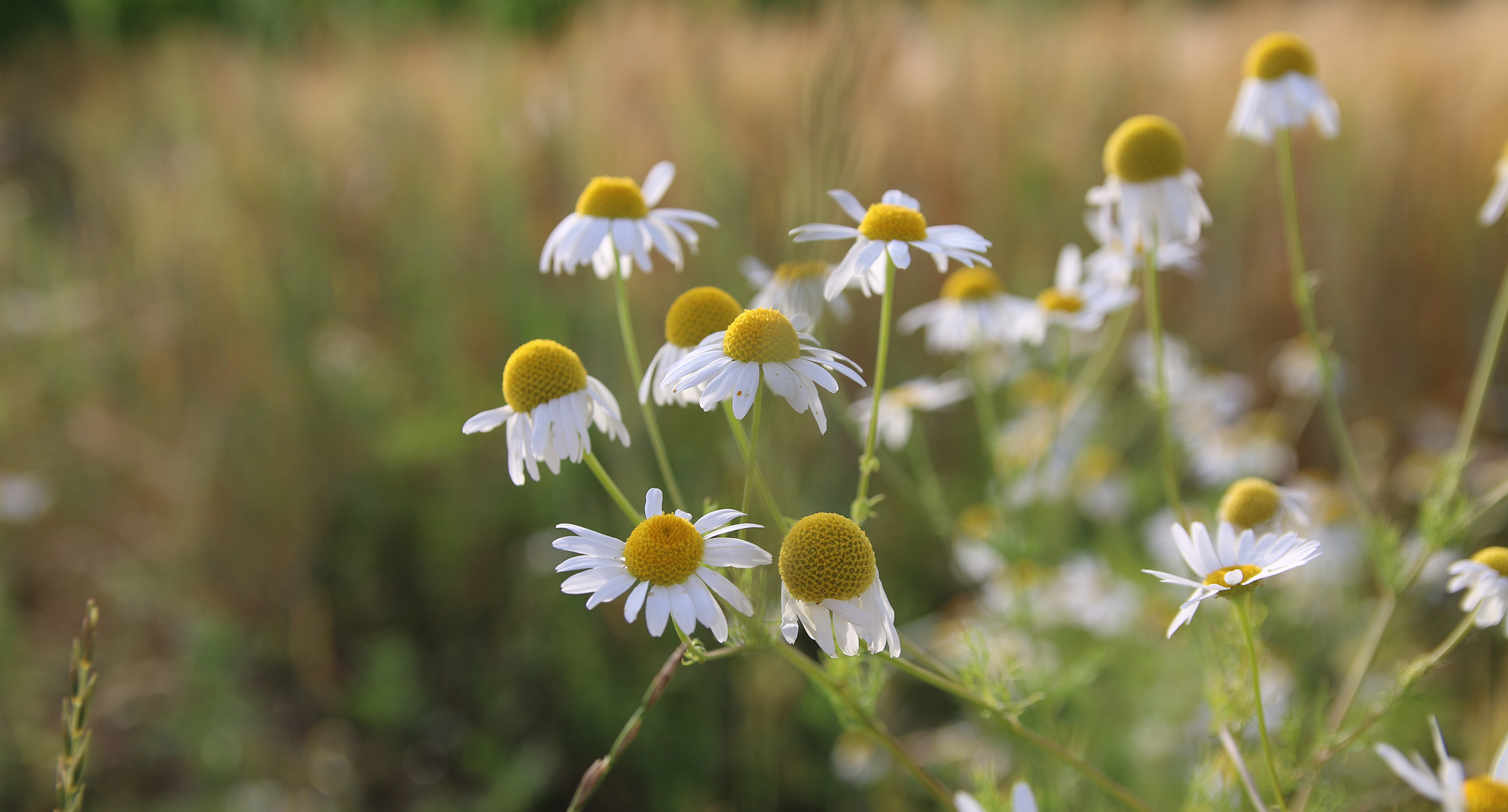
Herbal medicines are increasingly being used in long-term care (LTC) settings, yet there remains a significant gap in understanding how healthcare professionals (HCPs) apply these treatments. A scoping review published in February this year found that while herbal medicines are commonly administered alongside conventional medications, research on their professional use in LTC remains scarce. The study revealed that HCPs, including nurses and physicians, often lack clear guidelines for herbal medicine application, leading to inconsistent practices. Despite some promising findings, such as chamomile for insomnia and ginkgo for cognitive function, many studies produced mixed results. The review highlights the need for further research, standardised protocols and interdisciplinary collaboration to ensure the safe and effective integration of herbal treatments into elderly care.

The study analysed twelve research papers published between 2014 and 2023, focusing on the professional application of herbal medicine in LTC. Findings showed that herbal treatments are primarily used for four key conditions: cognitive decline, respiratory infections, urinary tract infections and insomnia. While some herbal medicines demonstrated positive effects, such as garlic and onion extracts reducing respiratory infections others, like cranberry for urinary tract infections, showed inconsistent efficacy. Fenugreek, used in Alzheimer’s patients, was found to improve memory, quality of life and selective oxidative stress markers, making it a promising candidate for further study. However, the review also noted that the roles of HCPs in administering these treatments were often not clearly defined, raising concerns about proper dosage, interactions with pharmaceuticals and overall patient safety. Furthermore, as polypharmacy becomes increasingly common in older adults, the risk of drug-herb interactions remains a critical issue.

The prevalence of concurrent use of prescription drugs and herbal medicinal products can be up to 88.3 % in the older population. With the rising demand for complementary therapies in elderly care it is crucial to equip healthcare professionals with the knowledge and tools to safely incorporate herbal medicines into treatment plans. The review calls for more rigorous clinical studies, better training for HCPs and clear regulatory guidelines to optimise the use of herbal medicines in LTC. As the interest in phytotherapy continues to grow, bridging the gap between traditional wisdom and modern medical practice will be essential in delivering safe, effective and holistic care to aging populations.

References

i Walter C, Berger S, Langegger D, Strobl A, Kutschar AP, Pitzer S, Nestler PN. Application and use of herbal medicines by healthcare professionals in long-term care: A scoping review. Geriatr Nurs. 2025 Feb 10;62(Pt B):165-174. doi: 10.1016/j.gerinurse.2025.01.034. Epub ahead of print. PMID: 39933306

News Image
News Category
News Summary
Discover the findings of a study which analysed twelve research papers published between 2014 and 2023, focusing on the professional application of herbal medicine in long term care.

Add new comment

Astragalus and kidney function

Submitted by admin on Wed, 02/12/2025 - 17:33

Supplementing with astragalus was found to prevent a decline in kidney function 

A 2024 randomised controlled trial found that in patients with type 2 diabetes, stage 2 to 3 chronic kidney disease (CKD) and macroalbuminuria (also known as proteinuria), taking astragalus for 48 weeks further stabilised kidney function on top of standard care.

Astragalus is a herb that has been used in traditional Chinese medicine (TCM) for centuries. It has a strong reputation in TCM for providing support for the kidneys. In the clinical practice of TCM astragalus is mainly used to invigorate Qi. Astragalus may support kidney health by improving blood flow and laboratory markers of kidney function, such as measures of protein in the urine.

In this clinical trial 118 patients, with estimated glomerular filtration rate (eGFR) of 30-90 mL/min/1.73m and urinary albumin-to-creatinine ratio (UACR) of 300 to 5000 mg/g were randomly assigned to taking oral astragalus granules (15g of raw herb daily equivalent) or to continue standard care alone, with no placebo, for 48 weeks. Compared to the astragalus group, eGFR declined (worsened) in the control group (−3.9 mL/min/1.73 m2) and there was no difference for UACR. For secondary outcomes, there was a decrease in systolic blood pressure and liver enzymes in the astragalus group compared to the control group.


References

Chan KW, Kwong ASK, Tsui PN, Chan GCW, Choi WF, Yiu WH, Cheung SCY, Wong

MMY, Zhang ZJ, Tan KCB, Lao L, Lai KN, Tang SCW; READY and SCHEMATIC

research group. Add-on astragalus in type 2 diabetes and chronic kidney disease: A

multi-center, assessor-blind, randomized controlled trial. Phytomedicine. 2024 Jul

25;130:155457. doi: 10.1016/j.phymed.2024.155457. Epub 2024 Feb 28. PMID:

38810556.

News Image
News Category
News Summary
Discover how Astragalus was found to stabilse kidney function in a 2024 randomised controlled trial.

Add new comment

Rediscover the Heart of Your Practice

Submitted by admin on Wed, 02/12/2025 - 17:30

As Valentine’s Day approaches love is in the air but it’s not just about chocolates, roses and messages of affection from secret admirers. At the Herbal Extract Company we are encouraging you to fall in love with your herbal medicine dispensary again, nurturing your practice and rekindling that spark of connection with the potent plant remedies that lie within it.

As practitioners you know that herbal medicine is much more than just a prescription, it is an intimate connection between you, your patients and the plant kingdom. One of the most versatile and effective ways to bring that relationship to life in your dispensary is through liquid herbal extracts. Liquid herbal extracts are the perfect way to showcase the heart of herbal medicine in your dispensary. They are easy to use and offer a host of benefits that make them a go-to remedy for practitioners.

Potent and Powerful

Liquid herbs extract the full therapeutic power of plants, using ethanol to pull out both water-soluble and fat-soluble compounds. This means you are providing your patients with a high potency form of herbal medicine that is fast-acting and highly effective. Flexibility of formulation and dosage means a smaller more potent dose can be administered. Liquid herbal extracts have greater absorption because the chemical compounds are already in solution which means there is faster bioavailability.

Pure and Exclusive

Liquid herbal extracts require minimal processing, requiring only a solvent of ethanol and water to be added to the raw material. They contain no additives, such as binders, lubricants, colouring agents or coatings, so the medicine is more likely to mirror the original plant chemistry. These premium products offer a point of difference. They are available exclusively to practitioners while being economical for patients. We encourage you to trust yourself to make the best medicine that will help your patient. Trust the plant’s medicine. Trust nature.

Convenience for Patients and Practitioners

Whether it’s for a busy patient with a packed schedule or a practitioner in need of flexibility, liquid herbal extracts are versatile, easily blended, easy to dose and fast to administer. They can be taken directly or added to water, juice, tea or food. They can be added into other recipes including salves, water-based creams, lotions, mouth washes or syrups.

Longevity and Stability

Liquid herbal extracts tend to have a longer shelf life because the ethanol preserves them. This ensures that your dispensary is stocked with high-quality, ready-to-use medicines whenever your patients need them.

Individualised Prescribing for a Unique Formulation

With liquid herbal extracts you have the freedom to mix and match herbs to create personalised formulas, which means you can offer highly specific solutions to your patients’ unique needs. Whether they need help with stress, immunity, digestion or sleep, liquid herbal extracts can be crafted to suit any condition and incorporated into bespoke formulas that provide customised solutions for individual health concerns. Liquid herbs deliver a more authentic representation of the plant and convey much of the herbs’ smell, taste and colour. With liquid herbs your patients get to experience the herb.

Valentine’s Day is not just about romantic love, it is also a time to reflect on the deep, healing bonds you build with your patients. By falling in love with liquid herbal extracts again, you are not only providing a high-quality product you are offering your patients an opportunity to build a lasting, transformative relationship with their health. Let this Valentine’s Day be the perfect time to reconnect with your herbal dispensary, infusing your practice with renewed energy, inspiration and the deep love that herbal medicine offers. Embrace the ritual of healing and rediscover the joy of creating tailor-made, plant-powered medicines that can change lives

News Image
News Category
News Summary
Fall in love with your herbal medicine dispensary again, nurturing your practice and rekindling that spark of connection with the potent plant remedies that lie within it.

Add new comment

Festive Chocolate Bark Recipe

Submitted by admin on Wed, 12/11/2024 - 16:47

As we make the final dash to the end of 2024 we encourage everyone to go gently, especially if you are feeling the weight of the year. And what better way to do that than by tying up those apron strings, pulling out the calming holiday botanicals and making magic in the kitchen because it’s officially the season to spread herbal joy.

With the holiday season approaching it’s time for many to gather with family, friends and loved ones. With these gatherings comes a lot of joy and happiness but it can also cause a certain amount of stress. Making the food, preparing for the gathering and not having a lot of downtime to recharge can put the nervous system under stress.

That’s where this Festive Chocolate Bark recipe comes in handy. When our bodies are stressed, medicinal mushrooms can help the body process, reset and ground. This impressive healthy chocolate bark recipe brings the festive season alive and will make an abundance of sweet treats with little effort. It’s the perfect last-minute gift for this time of year plus it's guilt free.

Season’s Greetings!

Ingredients:

· 1 cup cacao butter

· 2 tbsp honey

· 1/2 cup cacao

· 1/4 cup mesquite powder

· 2 tbsp maca powder

· 8mL Herbal Extract Company Lion's Mane 1:5 extract

· 8mL Herbal Extract Company Cordyceps 1:5 extract

· 8mL Herbal Extract Company Reishi 1:5 extract

Instructions

1. Sift and mix all dry ingredients together in a bowl.

2. Melt cacao butter by stirring in a glass bowl over a saucepan of bubbling water.

3. Mix in honey.

4. Add cacao butter mixture to the dry ingredients bowl and combine.

5. Stir in mushroom extracts.

6. Pour into chocolate moulds or make a solid block on a lined tray.

7. Place in freezer for 30 minutes to one hour, or until set.

8. Break up chocolate bark, or remove chocolate from moulds.

Makes around 250g

News Image
News Category
News Summary
Discover how medicinal mushrooms and mood-soothing botanicals come together in this decadent Festive Chocolate Bark recipe—designed to nourish your nervous system and delight your taste buds.

Add new comment

Rhodiola Substitutes

Submitted by admin on Wed, 12/11/2024 - 16:46

Rhodiola has been used traditionally by the Vikings and Siberians to increase physical strength and endurance, resistance to cold and disease and to promote fertility and longevity. The modern use is as a stimulating adaptogenic tonic known as the best herb for ‘21st century stress’ which manifests as fatigue, mental fog, trouble concentrating, low energy and mild depression. Many herbalists use rhodiola to support people with depression and anxiety. It appears to be able to significantly reduce the fatigue and 'burnout' that come from chronic stress and anxiety and numerous trials suggest meaningful effects through its anxiolytic and antidepressant actions. It increases physical and mental efficiency, it can enhance a moderately low mood, help to improve sleep quality, energy levels and enhance convalescence. As a result it can help the body deal with marathon training, mountaineering, to cope better with the stress of exam preparations, a heavy workload or for recovery from illness, including post viral fatigue. 

Perhaps because of rhodiola’s stress supporting properties its popularity has boomed in recent years. The plant's rapid growth in the supplement market has led to industrial-scale overcollection. Rhodiola is now endangered and was added to Appendix II of the Convention on International Trade in Endangered Species of Wild Fauna and Flora (CITES) on February 23, 2023 because of declines in wild populations due to overexploitation and increased international trade. As a result international trade is restricted and rhodiola is subject to additional import and export requirements. This means we are no longer able to source sustainably grown raw material. Below we have provided you with some alternative herbs to assist you in your prescribing.

Cordyceps

Cordyceps is known as a functional mushroom for energy and endurance because its adaptogenic and tonic effects. Herbalists and naturopaths prescribe it to support energy levels and for convalescence after infection, illness, or stress, to improve vitality.

Korean ginseng

Herbalists classify Korean ginseng as a stimulating adaptogen with a wide range of therapeutic uses. Korean ginseng restores and enhances wellbeing, boosts energy, reduces stress, and improves thinking processes and cognition. Western herbalists understand Korean ginseng to be useful for short-term treatment of the effects, or anticipated effects, of stress (a ginseng “hit”) and over a long period (for up to three months – a repeated course is feasible) to reduce the impact of the ageing process.

Schizandra

Schizandra is utilised for increasing resistance to disease and stress, increasing energy and increasing physical performance and endurance. In Russia, schizandra first gained recognition as an “adaptogen agent” in the 1960s when it was published in the official medcine of the USSR handbook, following the discovery that it helps fight adrenal fatigue, heart problems and the negative effects of stress. 

Siberian ginseng

Siberian ginseng is often referred to as the ‘king of adaptogens’ and is traditionally used to help the body better adapt to stress. It is most effective in the treatment of exhaustion and anxiety

resulting from overwork, lack of sleep and long-term stress. Think of those people burning the candle at both ends such as students, night shift workers and multi-tasking parents juggling careers and families. Siberian ginseng also shows promise for the management of moderate chronic fatigue syndrome. 

References

van Wyk B, Wink M. Medicinal Plants of the World. Pretoria: Briza Publications;

2004. p. 271.

Natural Medicines (US). Schisandra [Internet]. Somerville (MA): Therapeutic

Research Center; 2024 [updated 2024 Sep 24; cited 2024 Nov 20]. Available from

https://naturalmedicines.therapeuticresearch.com/databases/food,-herbs-

supplements/professional.aspx?productid=376

Corneau N, Corneau G. THE ADAPTOGENIC SPECIES: THEORETICAL AND

PRACTICAL IMPORTANCE. A REVIEW. Oltenia. Studii úi comunicări.ùtiinĠele

Naturii. 2013;29:1

News Image
News Category
News Summary
Looking for alternatives to Rhodiola? Discover four adaptogenic herbs which offer comparable benefits for energy, resilience, and recovery—without compromising sustainability.

Add new comment

Screen Saver: A Clinical Trial Finds that Ginger May Assist A Modern Malady

Submitted by admin on Mon, 11/11/2024 - 16:36

Results from a Japanese human clinical trial, published in August, revealed that by enhancing peripheral blood flow ginger consumption may reduce eye fatigue and shoulder stiffness associated with prolonged screen use in woman aged 51 and under. Ginger is a staple ingredient in traditional Japanese cuisine and is believed to offer various health benefits such as improvements to thermogenetic function and blood flow acceleration. Based on ginger’s potential to boost blood flow the study investigated if daily supplementation with ginger could exert any benefits for people with visual display terminals (VDT) syndrome.

In recent years there has been a significant increase in the use of VDTs such as computers, smartphones, tablets and video games due to rapid advancements in information technology. While technology has many positive aspects prolonged exposure to VDTs, along with more office work and inadequate exercise, has increased the prevalence of VDT syndrome, a modern malady also referred to as digital eye strain (computer vision syndrome). This condition is characterised by symptoms such as dry eyes, eye fatigue and stiffness of the neck and shoulders. Digital eye strain, which contributes to deteriorating eyesight, is an emerging public health threat and is directly proportional to the duration of digital screen exposure. It results from prolonged computer, tablet, eReader and cell phone use. It has become a pressing social issue that must be addressed because it negatively impacts an individual’s quality of life. Studies have associated low ocular blood flow with eye diseases such as glaucoma and myopia, a known risk factor for glaucoma. These findings suggest that improving ocular blood flow may be an effective strategy for preventing or treating eye diseases since proper blood flow to the eye is crucial for providing sufficient oxygen and nutrients to the optic nerve.

This study included 100 healthy people, aged 20-73 years old, with eye fatigue and shoulder stiffness. Participants were randomly assigned to receive either placebo capsules or ginger extract powder capsules (100mg) daily for eight weeks. Ocular blood flow, peripheral blood flow, eye fatigue, shoulder stiffness, body warmth and shoulder muscle stiffness were assessed at weeks 0, 4 and 8 respectively. Peripheral blood flow in deep vessel areas was enhanced in females under 51. Similarly, subjective complaints of eye fatigue and shoulder stiffness were improved by ginger consumption in females under 51. Body warmth changed significantly in males aged 51 and under due to ginger consumption. Considering that eye fatigue was significantly improved in the ginger group, it is possible that the optic nerve and surrounding tissue were delivered more oxygen and nutrients owing to improvements in ocular blood flow, thereby improving eye fatigue. i

References

i Higashikawa F, Nakaniida Y, Li H, Liang L, Kanno K, Ogawa-Ochiai K, Kiuchi Y.

Beneficial Effects of Ginger Extract on Eye Fatigue and Shoulder Stiffness: A

Randomized, Double-Blind, and Placebo-Controlled Parallel Study. Nutrients. 2024

Aug 15;16(16):2715. doi: 10.3390/nu16162715. PMID: 39203851; PMCID:

PMC11357383.

News Image
News Category
News Summary
Delve into the findings of a recent Japanese clinical trial that explored ginger’s potential to relieve eye fatigue and shoulder stiffness caused by prolonged screen use.

Add new comment

Taking the Whoop out of Whooping Cough

Submitted by admin on Mon, 11/11/2024 - 16:31

Whooping cough (pertussis) cases in Australia have surged in 2024 with all states and territories reporting more cases than in previous years. Between 1 January 2024 and 1 September 2024, there were 24,108 cases of whooping cough notified to the National Notifiable Diseases Surveillance System (NNDSS), compared to 2,451 cases for 2023. This is the largest spike in nine years since 2015, when 22,571 cases were recorded. Notifications of whooping cough began increasing from April 2023 after a few years of limited circulation in Australia, particularly during the COVID 19 pandemic. In 2024 notification rates have been highest in Queensland, followed by New South Wales. Victoria has seen over 10 times the number of cases in 2024 than in 2023. South Australia has seen almost 550 cases in 2024, which is a six-year high. Rates are substantially higher in school-aged children aged 10-14 years, followed by children aged 5-9 years. The NNDSS says the current situation may be due to several factors including expected epidemic peaks, vaccination coverage, waning immunity and overall population having reduced exposure to whooping cough during the COVID-19 pandemic. Whooping cough is not the only respiratory condition seeing a major spike this year. There have been more than 350,000 laboratory-confirmed cases of influenza this year so far, which exceeds the total number of infections detected for 2023. More than 164,000 respiratory syncytial virus cases have been recorded in 2024, which also exceeds the 2023 figure of 128,110. i

Whooping cough is a highly infectious disease of the respiratory tract, caused by the bacterium Bordetella pertussis, with periodic cyclical increases occurring every three to five years despite high levels of vaccination coverage. It spreads when an infected person coughs or sneezes and others breathe it in. It starts with the catarrhal phase, the most infectious phase, which is typical cold and flu symptoms such as a runny nose, sneezing, a mild cough and fever. So, early on, it is hard to tell it apart from any other nasty cold. The bacteria affect the lungs and airways and, after one-to-two weeks, coughing can become more frequent and severe, even causing vomiting or fracturing ribs, and it may have the characteristic ‘whoop’ sound. This can make it hard for the infected person to breathe. This is known as the paroxysmal phase. During the convalescent phase the cough can last for months (it is also known as the cough of 100 days). Infants under one year old are at the greatest risk for serious disease. Early diagnosis and treatment are important. ii iii

Appropriate antibiotic therapy is usually the recommended allopathic treatment for whooping cough. For professional herbalists and naturopaths the treatment approach is to support this with herbal medicines that physicians have historically (it is an old disease with the first recorded epidemic occurring in Paris in 1578) used to relieve whooping cough symptoms. They include immune enhancing herbs such as echinacea and andrographis and respiratory antiseptic herbs such as elecampane, thyme and garlic. During the coughing stage expectorant, respiratory spasmolytic and mucolytic herbs can loosen the tenacious sputum such as garlic, horseradish, elecampane, thyme, hyssop, liquorice, fennel, grindelia, aniseed, white horehound and red clover. Antitussive and demulcent herbs can dampen and soothe the cough reflex such as liquorice, ivy leaf and marshmallow. Inhalation therapy and topical applications of chest rubs are recommended along with the internal use of the botanical medicines above. A good convalescence is a marvellous thing so during recovery include nutritive and tonic herbs such as alfalfa, nettle leaf, oats green, bitter tonics, such as gentian and dandelion root, immune

system building herbs such as astragulus, cordyceps, reishi and schizandra. Adaptogens and adrenal strengthening herbs such as liquorice, Siberian ginseng and withania help with general strength and fatigue along with respiratory disorder lung herbs such as mullein, garlic and thyme. iv v

References

National Communicable Diseases Surveillance Report Fortnight 18, 2024

Summary Notes for Selected Diseases 19 August 2024 to 01 September 2024.

Commonwealth of Australia. Department of health and Aged Care. (updated 17

Sept 2024;accessed 6 Nov 2024). Available from

https://www.health.gov.au/resources/publications/national-notifiable-diseases-

surveillance-system-nndss-fortnightly-reports-19-august-to-1-september-

2024?language=en

ii National Communicable Diseases Surveillance Report Fortnight 18, 2024

Summary Notes for Selected Diseases 19 August 2024 to 01 September 2024.

Commonwealth of Australia. Department of health and Aged Care. (updated 17

Sept 2024;accessed 6 Nov 2024). Available from

https://www.health.gov.au/resources/publications/national-notifiable-diseases-

surveillance-system-nndss-fortnightly-reports-19-august-to-1-september-

2024?language=en

iii Lauria AM, Zabbo CP. Pertussis. [Updated 2022 Oct 7]. In: StatPearls [Internet].

Treasure Island (FL): StatPearls Publishing; 2024 Jan-. Available from:

https://www.ncbi.nlm.nih.gov/books/NBK519008/

iv Bone K, Mills S. Principles and Practice of Phytotherapy. 2nd ed.

Edinburgh:Churchill Livingstone Elsevier. 2013 p. 249-9

v Abascal K, Yarnell E. Taking the Whoop Out of Whooping Cough. Alternative and

Complementary Therapies. April 2006;12(2):71-76 DOI:10.1089/act.2006.12.71

News Image
News Category
News Summary
Whooping cough (pertussis) cases in Australia have surged in 2024 with all states and territories reporting more cases than in previous years. Learn how herbs can be applied to support people with Whooping Cough.

Add new comment

The Herbal Sweet Spot

Submitted by admin on Mon, 10/14/2024 - 17:51

In this era of evidence based herbal medicine many practitioners are reconnecting with their traditional roots and bringing creativity into their practice. One of the key concepts of traditional herbalism is taking a personalised approach by choosing herbs for the person rather than the ailment. This is the art of herbalism – matching health solutions to the person and not the disease. Herbalists and naturopaths seek to understand a person, and their underlying imbalances, and skillfully match herbs, diet and lifestyle suggestions to help them create health from the inside out. When using herbs in this way they become a powerful tool to help someone discover, as well as resolve, the root cause of their health problems. 

A practitioner who integrates energetic principles into their practice is looking far beyond the name of the condition that ails the patient, they are tuning in to the nature of their constitution and the elemental balance in their body. This is one of the reasons that herbalism is such a powerful form of medicine. The idea that we are individuals, and that herbs, food and lifestyle choices should be matched to a person’s particular needs is found in all the major traditional herbal systems including Western herbalism (the four humors), Ayurveda (the tridoshic system) and Traditional Chinese Medicine (the five phases and organ systems) and they take many years to study and comprehend. 

The concepts of herbal energetics can be simplified into an approach that categorises herbs based on four complementary qualities, hot/cold and dry/damp, rather than solely their chemical constituents. This framework is used by many herbalists and naturopaths as their underlying diagnostic principle. Both people and plants can be assessed in terms of the four qualities with the goal being to support health by nurturing energetic balance. The energetics of a person is often referred to as their constitution. For instance, a warming herb might be indicated for a patient with a cold constitution, while a cooling herb could be beneficial for someone with inflammation or irritability. Everyone contains some aspect of the four qualities but has general tendencies, which can be affected by external forces such as weather or food. Using the senses, especially tasting herbs, is a way to understand herbal energetics. Understanding the general constitution, the energetics of the current illness, if there is one, and the energetics of plants leads to the “herbal sweet spot”. 

In holistic herbal medicine the mind, body and spirit cannot be separated. The ultimate goal of utilising herbal energetics is to create a holistic treatment plan that not only addresses physical symptoms but also considers emotional and spiritual wellbeing. By understanding the energetic properties of herbs and their patients, herbalists and naturopaths can facilitate a deeper connection between patients and their healing processes. It is a valuable approach when used alongside a more modern physiological and system-based approach

References

de la Foret R. Alchemy of Herbs. Hay House: California. 2017. p11

de la Foret R. Taste of Herbs. Learning Herbs:Shelton. 2017. p7

de la Foret R. Taste of Herbs. Learning Herbs:Shelton. 2017. P22

Jones L. A Working Herbal Dispensary. Aeon:Glasgow. 2023. p33.

News Image
News Category
News Summary
In this era of evidence based herbal medicine many practitioners are reconnecting with their traditional roots and bringing creativity into their practice. Explore the concepts of herbal energetics and the art of herbalism.

Add new comment

Scientific Research and Traditional Wisdom

Submitted by admin on Wed, 09/11/2024 - 17:17

When it comes to research in herbal medicine on one end of the spectrum is the pillar of experimental research and on the other is properly conceived empiricism to make up the continuum of scientific philosophy. Traditional knowledge and empiricism are the ongoing flow of medical wisdom for thousands of years. Traditional herbalists might follow practices like Western herbalism, Traditional Chinese Medicine or Ayurveda. In sharp contrast, scientifically driven herbalists focus on using plant phytochemistry to guide their practice. These are two equally stable and valuable poles. No one disputes the scientific validation of a herb to encourage a deeper understanding and appreciation of its complex healing properties. It can empower herbalists to treat new conditions with ancient remedies. Used properly, and in context, good science has much to offer phytotherapy. The challenge herbal medicine faces today is how to integrate science with the traditional knowledge that is at the foundation of its practice and respect the mysteries that science has yet to uncover. 

To set the scene there are four main types of scientific research including chemical analysis, in vitroin vivo and clinical research. As the name suggests, chemical analysis helps us understand the chemical profile of herbs. In vitro is Latin for ‘in glass’ and in vivo is Latin for ‘within the living’. In vitro studies describe experiments that researchers perform outside a living organism in petri dishes and test tubes. In contrast, in vivo studies typically involve live animals (which some herbalists condemn), especially rodents, or people. Clinical research involves conducting well-structured studies where people are given herbs and the outcomes are measured. For herbalists, clinical research is the most applicable and valuable form of scientific study, offering us insights that can help potentially find novel (not previously identified) uses of herbal medicine. Even though clinical research is the most reliable source of scientific information on herbs there can be flaws such as bias, poor design and administration (i.e. was it isolated compounds rather than whole plant). 

Sometimes animal research can begin to pave the way for novel uses of herbs, which would warrant further study, however caution must be taken in extrapolating results to humans as it can be misleading and counterproductive because of species differences. While in vitro studies are interesting, they do not accurately represent the complexity of the human body. Much of this research looks at the antimicrobial (including antiviral and antibacterial effects of herbs), based on their interactions with microorganisms in a controlled environment, and can commonly be misinterpreted. Although these herbs might be effective when applied to the skin, things become far more complicated when ingested because the body’s organs, organ systems, tissues, biochemical interactions and metabolic transformations add dimensions that a simple petri dish experiment cannot replicate. For example, cancer cells can be killed in a petri dish by everything from fire to bleach but preclinical studies must always be followed by clinical studies in humans before we can make any recommendations to patients. 

Clinical herbalist, herbal medicine industry leader and prolific author Kerry Bone has pontificated about the herbalists’ pun in vitro non veritas which means ‘test tube research, on herbs in particular, has a limited capacity to lead to the truth’. The pun is derived from the ancient adage in vino veritas, which is a Latin phrase that means 'in wine, there is truth', suggesting a person under the influence of alcohol is more likely to speak their hidden thoughts and desires. The phrase is sometimes continued as, in vino veritas, in aqua sanitas, 'in wine there is truth, in water there is good sense (or good health)'. In vivo veritas is a pun on in vino veritas and means ‘in a living thing [there is] truth’. This is an expression used by biologists to express the fact that laboratory findings from testing an organism in vitro are not always reflected when applied to an organism in vivo. In a 2023 seminar Bone said: “People are extrapolating activities inappropriately from herbal research and the herbal world is rife with it.”  In his book Functional Herbal Therapy he says: “in general we should be highly cautious about extrapolating the findings of in vitro herbal research to clinical situations.”  In an earlier paper he says: “I have attended several talks by herbalists or natural therapists where they might list many hypothetical activities for herbs derived from in vitro or in vivo research as if they were absolute facts. Moreover, they often do not clarify in their presentations which information comes from pharmacological models and which has been proven in clinical trials. Extrapolation from pharmacological studies should be clearly stated and the information regarded as only of tentative relevance to a clinical situation… The treatment of the patient as an individual can never be outweighed by results of double-blind clinical trials. In any examination of the worth and future potential of herbal medicines, their traditional therapeutic context should not be discarded. To do so will limit the value of herbs and make them subservient to modern reductionist thinking and superficial symptom control.” Something to ponder next time you are mixing your herbs.

References

Stewart D. Personal communication. Southern Cross Herbal School. Ourimbah. 2005.

Niemeyer K, Bell IR, Koithan M. Traditional Knowledge of Western Herbal Medicine and Complex Systems Science. Journal of herbal medicine. 2013;3(3):112-119. doi:10.1016/j.hermed.2013.03.001.

Popham S. Is All Herbal Research Trustworthy? The School of Evolutionary Herbalism. c2014 – 2024 (accessed 21 Aug 2024) Available from https://www.evolutionaryherbalism.com/2024/04/24/is-all-herbal-research-trustworthy/

Popham S. Is All Herbal Research Trustworthy? The School of Evolutionary Herbalism. c2014 – 2024 (accessed 21 Aug 2024) Available from https://www.evolutionaryherbalism.com/2024/04/24/is-all-herbal-research-trustworthy/

Popham S. Is All Herbal Research Trustworthy? The School of Evolutionary Herbalism. c2014 – 2024 (accessed 21 Aug 2024) Available from https://www.evolutionaryherbalism.com/2024/04/24/is-all-herbal-research-trustworthy/

Bone K. The role of herbs and phytonutrients in acute and long Covid: An update. NHAA Naturopathic Symposium 27-28 May 2023.

Bone K. Functional Herbal Therapy. London:Aeon. 2021. p215

Bone K. Phytotherapy: Challenges for the 21st Century. Mediherb: A Phytotherapist’s Perspective. 1999 Dec;5:9.


News Image
News Category
News Summary
Unpack the delicate balance between scientific research and traditional wisdom in herbal medicine, by navigating the strengths, limits, and integration of in vitro, in vivo, and clinical studies.

Add new comment