
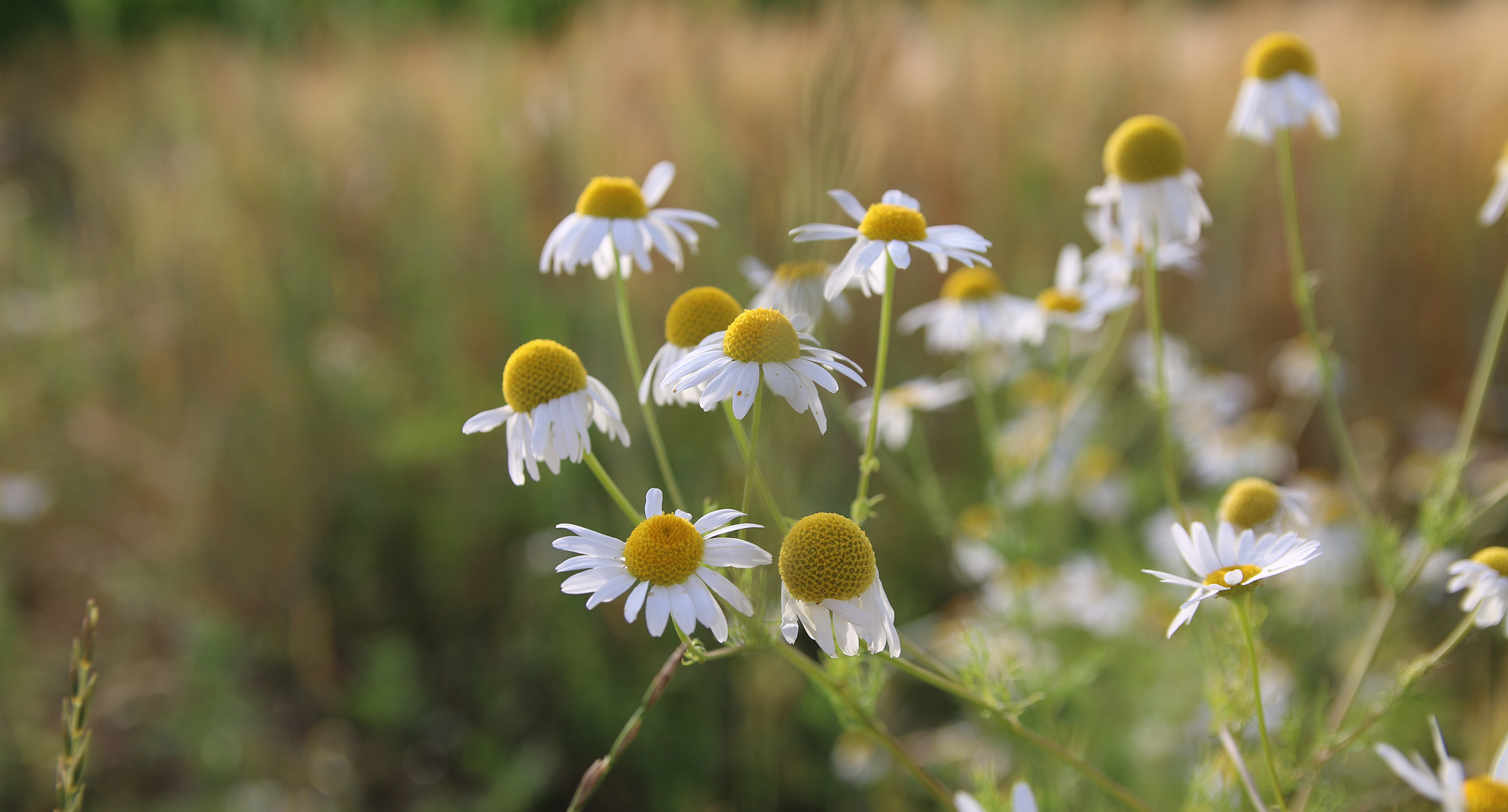
Herbal medicines are increasingly being used in long-term care (LTC) settings, yet there remains a significant gap in understanding how healthcare professionals (HCPs) apply these treatments. A scoping review published in February this year found that while herbal medicines are commonly administered alongside conventional medications, research on their professional use in LTC remains scarce. The study revealed that HCPs, including nurses and physicians, often lack clear guidelines for herbal medicine application, leading to inconsistent practices. Despite some promising findings, such as chamomile for insomnia and ginkgo for cognitive function, many studies produced mixed results. The review highlights the need for further research, standardised protocols and interdisciplinary collaboration to ensure the safe and effective integration of herbal treatments into elderly care.
The study analysed twelve research papers published between 2014 and 2023, focusing on the professional application of herbal medicine in LTC. Findings showed that herbal treatments are primarily used for four key conditions: cognitive decline, respiratory infections, urinary tract infections and insomnia. While some herbal medicines demonstrated positive effects, such as garlic and onion extracts reducing respiratory infections others, like cranberry for urinary tract infections, showed inconsistent efficacy. Fenugreek, used in Alzheimer’s patients, was found to improve memory, quality of life and selective oxidative stress markers, making it a promising candidate for further study. However, the review also noted that the roles of HCPs in administering these treatments were often not clearly defined, raising concerns about proper dosage, interactions with pharmaceuticals and overall patient safety. Furthermore, as polypharmacy becomes increasingly common in older adults, the risk of drug-herb interactions remains a critical issue.
The prevalence of concurrent use of prescription drugs and herbal medicinal products can be up to 88.3 % in the older population. With the rising demand for complementary therapies in elderly care it is crucial to equip healthcare professionals with the knowledge and tools to safely incorporate herbal medicines into treatment plans. The review calls for more rigorous clinical studies, better training for HCPs and clear regulatory guidelines to optimise the use of herbal medicines in LTC. As the interest in phytotherapy continues to grow, bridging the gap between traditional wisdom and modern medical practice will be essential in delivering safe, effective and holistic care to aging populations.
References
i Walter C, Berger S, Langegger D, Strobl A, Kutschar AP, Pitzer S, Nestler PN. Application and use of herbal medicines by healthcare professionals in long-term care: A scoping review. Geriatr Nurs. 2025 Feb 10;62(Pt B):165-174. doi: 10.1016/j.gerinurse.2025.01.034. Epub ahead of print. PMID: 39933306
Add new comment