Herbal Medicine

Taking the Whoop out of Whooping Cough

Submitted by admin on Mon, 11/11/2024 - 16:31

Whooping cough (pertussis) cases in Australia have surged in 2024 with all states and territories reporting more cases than in previous years. Between 1 January 2024 and 1 September 2024, there were 24,108 cases of whooping cough notified to the National Notifiable Diseases Surveillance System (NNDSS), compared to 2,451 cases for 2023. This is the largest spike in nine years since 2015, when 22,571 cases were recorded. Notifications of whooping cough began increasing from April 2023 after a few years of limited circulation in Australia, particularly during the COVID 19 pandemic. In 2024 notification rates have been highest in Queensland, followed by New South Wales. Victoria has seen over 10 times the number of cases in 2024 than in 2023. South Australia has seen almost 550 cases in 2024, which is a six-year high. Rates are substantially higher in school-aged children aged 10-14 years, followed by children aged 5-9 years. The NNDSS says the current situation may be due to several factors including expected epidemic peaks, vaccination coverage, waning immunity and overall population having reduced exposure to whooping cough during the COVID-19 pandemic. Whooping cough is not the only respiratory condition seeing a major spike this year. There have been more than 350,000 laboratory-confirmed cases of influenza this year so far, which exceeds the total number of infections detected for 2023. More than 164,000 respiratory syncytial virus cases have been recorded in 2024, which also exceeds the 2023 figure of 128,110. i

Whooping cough is a highly infectious disease of the respiratory tract, caused by the bacterium Bordetella pertussis, with periodic cyclical increases occurring every three to five years despite high levels of vaccination coverage. It spreads when an infected person coughs or sneezes and others breathe it in. It starts with the catarrhal phase, the most infectious phase, which is typical cold and flu symptoms such as a runny nose, sneezing, a mild cough and fever. So, early on, it is hard to tell it apart from any other nasty cold. The bacteria affect the lungs and airways and, after one-to-two weeks, coughing can become more frequent and severe, even causing vomiting or fracturing ribs, and it may have the characteristic ‘whoop’ sound. This can make it hard for the infected person to breathe. This is known as the paroxysmal phase. During the convalescent phase the cough can last for months (it is also known as the cough of 100 days). Infants under one year old are at the greatest risk for serious disease. Early diagnosis and treatment are important. ii iii

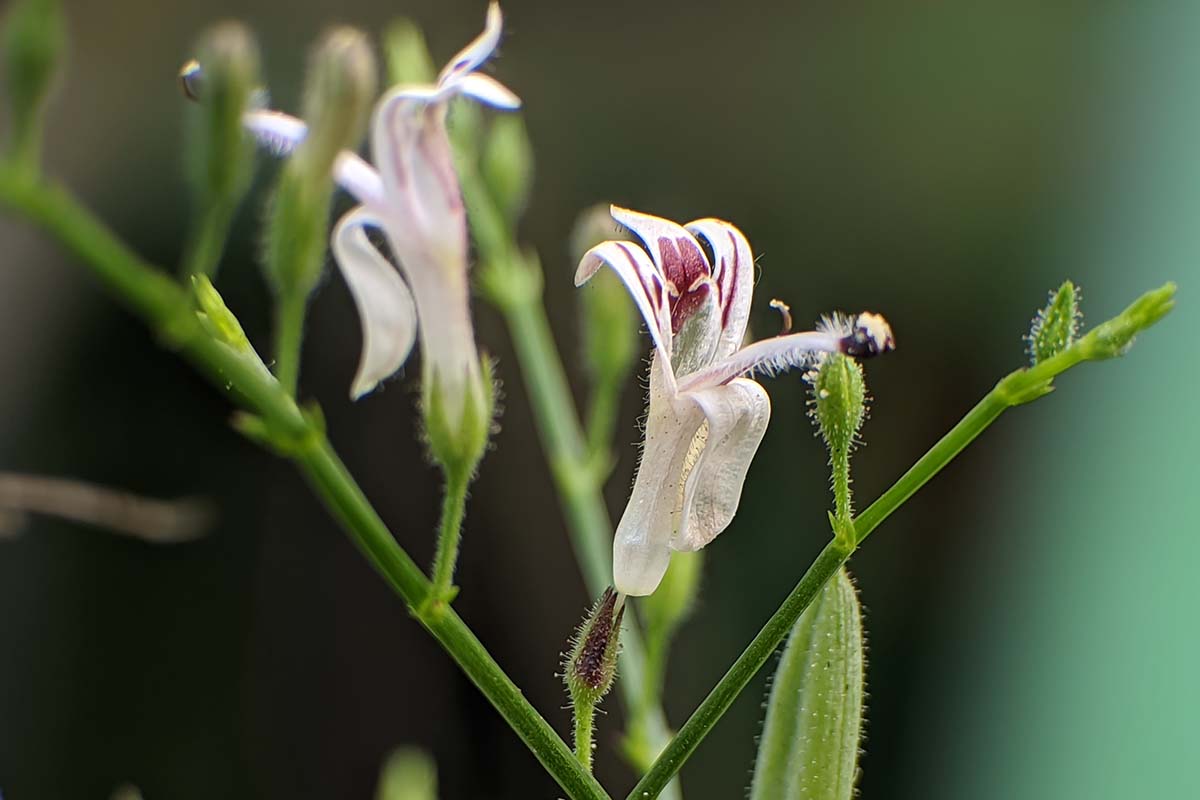
Appropriate antibiotic therapy is usually the recommended allopathic treatment for whooping cough. For professional herbalists and naturopaths the treatment approach is to support this with herbal medicines that physicians have historically (it is an old disease with the first recorded epidemic occurring in Paris in 1578) used to relieve whooping cough symptoms. They include immune enhancing herbs such as echinacea and andrographis and respiratory antiseptic herbs such as elecampane, thyme and garlic. During the coughing stage expectorant, respiratory spasmolytic and mucolytic herbs can loosen the tenacious sputum such as garlic, horseradish, elecampane, thyme, hyssop, liquorice, fennel, grindelia, aniseed, white horehound and red clover. Antitussive and demulcent herbs can dampen and soothe the cough reflex such as liquorice, ivy leaf and marshmallow. Inhalation therapy and topical applications of chest rubs are recommended along with the internal use of the botanical medicines above. A good convalescence is a marvellous thing so during recovery include nutritive and tonic herbs such as alfalfa, nettle leaf, oats green, bitter tonics, such as gentian and dandelion root, immune

system building herbs such as astragulus, cordyceps, reishi and schizandra. Adaptogens and adrenal strengthening herbs such as liquorice, Siberian ginseng and withania help with general strength and fatigue along with respiratory disorder lung herbs such as mullein, garlic and thyme. iv v

References

National Communicable Diseases Surveillance Report Fortnight 18, 2024

Summary Notes for Selected Diseases 19 August 2024 to 01 September 2024.

Commonwealth of Australia. Department of health and Aged Care. (updated 17

Sept 2024;accessed 6 Nov 2024). Available from

https://www.health.gov.au/resources/publications/national-notifiable-diseases-

surveillance-system-nndss-fortnightly-reports-19-august-to-1-september-

2024?language=en

ii National Communicable Diseases Surveillance Report Fortnight 18, 2024

Summary Notes for Selected Diseases 19 August 2024 to 01 September 2024.

Commonwealth of Australia. Department of health and Aged Care. (updated 17

Sept 2024;accessed 6 Nov 2024). Available from

https://www.health.gov.au/resources/publications/national-notifiable-diseases-

surveillance-system-nndss-fortnightly-reports-19-august-to-1-september-

2024?language=en

iii Lauria AM, Zabbo CP. Pertussis. [Updated 2022 Oct 7]. In: StatPearls [Internet].

Treasure Island (FL): StatPearls Publishing; 2024 Jan-. Available from:

https://www.ncbi.nlm.nih.gov/books/NBK519008/

iv Bone K, Mills S. Principles and Practice of Phytotherapy. 2nd ed.

Edinburgh:Churchill Livingstone Elsevier. 2013 p. 249-9

v Abascal K, Yarnell E. Taking the Whoop Out of Whooping Cough. Alternative and

Complementary Therapies. April 2006;12(2):71-76 DOI:10.1089/act.2006.12.71
News Image
News Category
News Summary
Whooping cough (pertussis) cases in Australia have surged in 2024 with all states and territories reporting more cases than in previous years. Learn how herbs can be applied to support people with Whooping Cough.

Add new comment

Korean Ginseng

Submitted by admin on Mon, 11/04/2024 - 16:38

Korean ginseng’s genus name, Panax, is derived from the Latin panacea meaning “cure all”. Traditional Chinese medicine textbooks describe near-mythical qualities for the human shaped root (the word ginseng is derived from the Chinese word for person) such as restoring balance to one’s life force and increasing longevity. In the East, where it is considered to be the most important of all medicinal herbs, wild mountain ginseng was a revered plant (it is now almost extinct), a treasure beyond price, surrounded by many stories of magical lore. While todays mostly cultivated Korean ginseng is not a miracle herb it is clearly an important remedy with an ancient history of improving health. Herbalists classify Korean ginseng as an adaptogen indicating a wide range of therapeutic uses.

Korean ginseng has shown some potential to help calm symptoms of attention deficit hyperactivity disorder (ADHD). In a study involving 18 children, aged between six and 14 years old who were diagnosed with ADHD, researchers reported improvements in anxiety, personality and social functioning. The children were given 1000mg of Korean ginseng for eight weeks. The effects of Korean ginseng compared to a placebo were evaluated on 70 ADHD patients aged between six and 15 years old. In the intervention group, 33 patients were given 40mL of Korean ginseng twice per day. After eight weeks a decrease in inattention and hyperactivity scores was recorded in the treatment group compared with the control group.

In another study, 40 children with ADHD, aged between six and 12, were given daily supplements containing omega-3 and Korean ginseng. Results of the study suggest that the combination of the two ingredients may help improve memory and attention in children with ADHD

References

i Zhang H, Abid S, Ahn JC, Mathiyalagan R, Kim YJ, Yang DC, Wang Y. Characteristics

of Panax ginseng Cultivars in Korea and China. Molecules. 2020 Jun 5;25(11):2635.

doi: 10.3390/molecules25112635. PMID: 32517049; PMCID: PMC7321059.

ii Hoffmann D. Medical Herbalism. Rochester: Healing Arts Press. 2003. p. 570

iii Lee SH, Park WS, Lim MH. Clinical effects of korean red ginseng on attention

deficit hyperactivity disorder in children: an observational study. J Ginseng Res.

2011 Jun;35(2):226-34. doi: 10.5142/jgr.2011.35.2.226. PMID: 23717065; PMCID:

PMC3659525.

iv Lee J, Lee A, Kim JH, Shin YM, Kim SJ, Cho WD, Lee SI. Effect of Omega-3 and

Korean Red Ginseng on Children with Attention Deficit Hyperactivity Disorder: An

Open-Label Pilot Study. Clin Psychopharmacol Neurosci. 2020 Feb 29;18(1):75-80.

doi: 10.9758/cpn.2020.18.1.75. PMID: 31958908; PMCID: PMC7006981.

v Ko HJ, Kim I, Kim JB, Moon Y, Whang MC, Lee KM, Jung SP. Effects of Korean red

ginseng extract on behavior in children with symptoms of inattention and

hyperactivity/impulsivity: a double-blind randomized placebo-controlled trial. J Child Adolesc Psychopharmacol. 2014 Nov;24(9):501-8. doi: 10.1089/cap.2014.0013. Epub 2014 Nov 4. PMID: 25369174

News Image
News Category
News Summary
Explore Korean ginseng—an age-old remedy revered in Eastern medicine for its balancing and restorative powers. Recent studies suggest this adaptogenic herb may offer support for children with ADHD.

Add new comment

Saffron

Submitted by admin on Mon, 10/28/2024 - 17:59

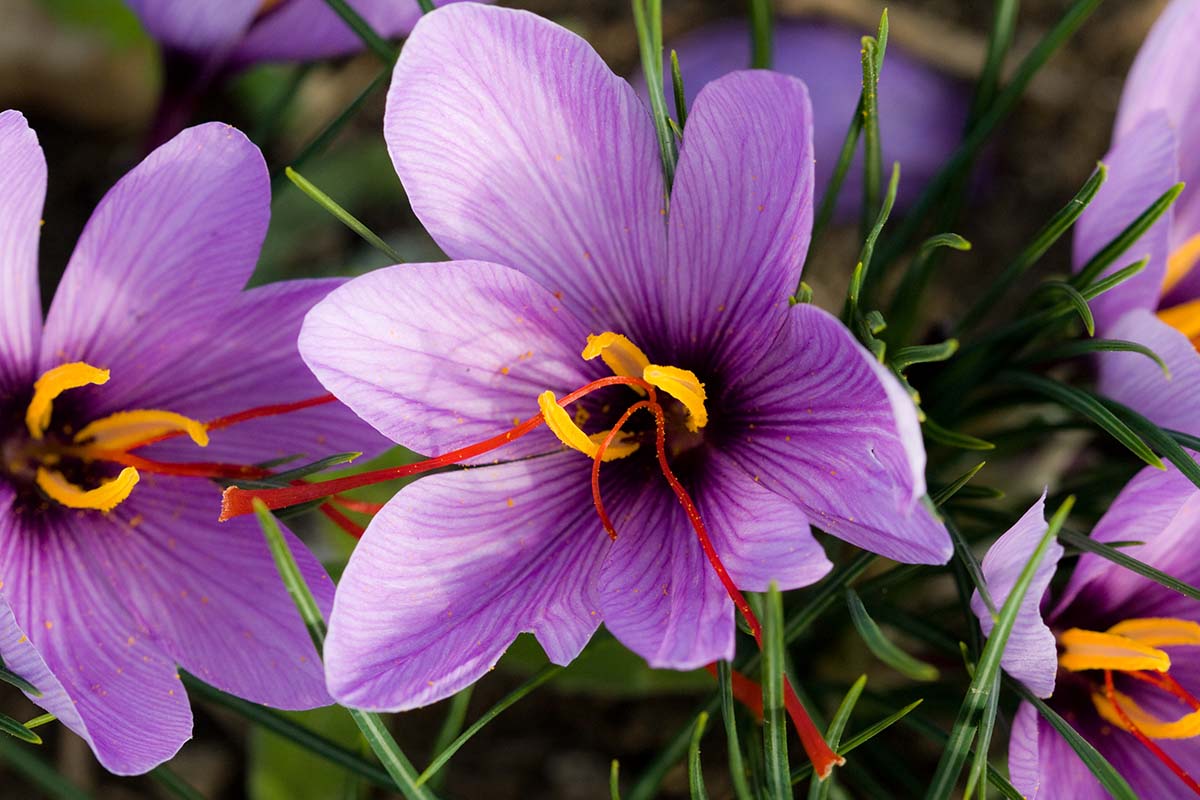
The vivid crimson stigmas and styles produced by the delicate mauve flowers of the saffron plant have the distinction of being the most expensive food on the planet. The reason is the laborious and labour-intensive method needed to harvest them. Throughout history saffron has been valued for not only infusing dishes in which it is used with a golden glow but also for its medicinal properties. 

A growing body of research suggests that saffron may reduce some of the symptoms, and help improve focus, in people with Attention Deficit Hyperactivity Disorder (ADHD). In 2019, a landmark pilot study brought saffron versus methylphenidate (Ritalin) to the attention of the ADHD community. Researchers found that 20 to 30mg of saffron a day for a period of six weeks was comparable to treatment with methylphenidate for symptoms of both inattention and hyperactivity. 

Since that time, more research has emerged supporting the benefits of saffron for ADHD. A 2022 study found saffron was more effective than methylphenidate for reducing ADHD symptoms of hyperactivity, though methylphenidate was more effective for inattention symptoms. Both therapies improved the number of hours slept among participants, which is a common challenge in ADHD, but only saffron helped with falling asleep. When saffron and methylphenidate were used together in a 2021 clinical trial, the combination was found to be more effective than the use of methylphenidate alone. These findings were supported by a 2022 clinical trial, which also found that saffron and methylphenidate were a superior combination. Despite these promising findings, more large-scale research on saffron for ADHD is needed

References

Newton J. The Roots of Civilisation. Murdoch Books:London. 2009. p.152

Baziar S, Aqamolaei A, Khadem E, Mortazavi SH, Naderi S, Sahebolzamani E, Mortezaei A, Jalilevand S, Mohammadi MR, Shahmirzadi M, Akhondzadeh S. Crocus sativus L. Versus Methylphenidate in Treatment of Children with Attention-Deficit/Hyperactivity Disorder: A Randomized, Double-Blind Pilot Study. J Child Adolesc Psychopharmacol. 2019 Apr;29(3):205-212. doi: 10.1089/cap.2018.0146. Epub 2019 Feb 11. PMID: 30741567.

Blasco-Fontecilla H, Moyano-Ramírez E, Méndez-González O, Rodrigo-Yanguas M, Martin-Moratinos M, Bella-Fernández M. Effectivity of Saffron Extract (Saffr'Activ) on Treatment for Children and Adolescents with Attention Deficit/Hyperactivity Disorder (ADHD): A Clinical Effectivity Study. Nutrients. 2022 Sep 28;14(19):4046. doi: 10.3390/nu14194046. PMID: 36235697; PMCID: PMC9573091.

Khaksarian M, Ahangari N, Masjedi-Arani A, Mirr I, Jafari H, et al. A Comparison of Methylphenidate (MPH) and Combined Methylphenidate with Crocus sativus (Saffron) in the Treatment of Children and Adolescents with ADHD: A Randomized, Double-Blind, Parallel-Group, Clinical Trial. Iran J Psychiatry Behav Sci. 2021;15(3):e108390. https://doi.org/10.5812/ijpbs.108390.

Pazoki B, Zandi N, Assaf Z, Moghaddam HS, Zeinoddini A, Mohammadi MR, Akhondzadeh S Advances in integrative medicine, 2022, 9(1), 37‐43 | added to CENTRAL: 28 February 2022 | 2022 Issue 02 https://doi.org/10.1016/j.aimed.2022.01.002

News Image
News Category
News Summary
Uncover the fascinating story of saffron, the world’s most expensive spice, and explore its emerging role in ADHD treatment, where research shows it may rival conventional medications in improving focus, sleep, and emotional balance.

Add new comment

Reishi

Submitted by admin on Wed, 10/23/2024 - 17:57

Reishi is perhaps the most famous of all the medicinal mushrooms. It holds an important place in traditional Chinese medicine, where it is known as lingzhi (spirit plant), for its wide spectrum of actions as an adaptogen, anti-inflammatory, anti-viral and immune modulator. Traditionally it was used in China by Taoist monks to promote a centred calmness, improve meditative practices and attain a long and healthy life. Chinese royalty, seeking longevity, held reishi mushroom in high esteem. 

This versatile mushroom is regarded as a panacea for a wide range of ailments including allergies, asthma, arthritis, bronchitis, hepatitis, autoimmune conditions, heart disease, infections and cancer. It may also help balance hormone levels, decrease anxiety and depression and keep blood sugar levels in check.

Reishi is one of the most popular herbal supplements used by cancer patients around the world. This can be attributed to its potential in alleviating the side effects of chemotherapy, like low immunity and nausea, and enhancing the efficacy of radiotherapy. Although reishi appears to hold some promise for cancer prevention, or treatment, more information is needed to confirm this. A 2020 double-blind randomised controlled trial found preliminary efficacy and safety of reishi and glossy privet (Ligustrum lucidum) in improving the quality of life for patients with non-small cell lung cancer undergoing chemotherapy. 

References

HEC monograph

Liu J, Mao JJ, Li SQ, Lin H. Preliminary Efficacy and Safety of Reishi & Privet ormula on Quality of Life Among Non-Small Cell Lung Cancer Patients Undergoing Chemotherapy: A Randomized Placebo-Controlled Trial. Integr Cancer Ther. 2020 Jan-Dec;19:1534735420944491. doi: 10.1177/1534735420944491. PMID: 32840126; PMCID: PMC7450289.

News Image
News Category
News Summary
Delve into the world of reishi, the revered "spirit plant" of traditional Chinese medicine, and uncover its powerful adaptogenic, immune-boosting, and longevity-enhancing properties—especially its promising role in cancer support and emotional well-being.

Add new comment

Sage

Submitted by admin on Wed, 10/16/2024 - 17:55

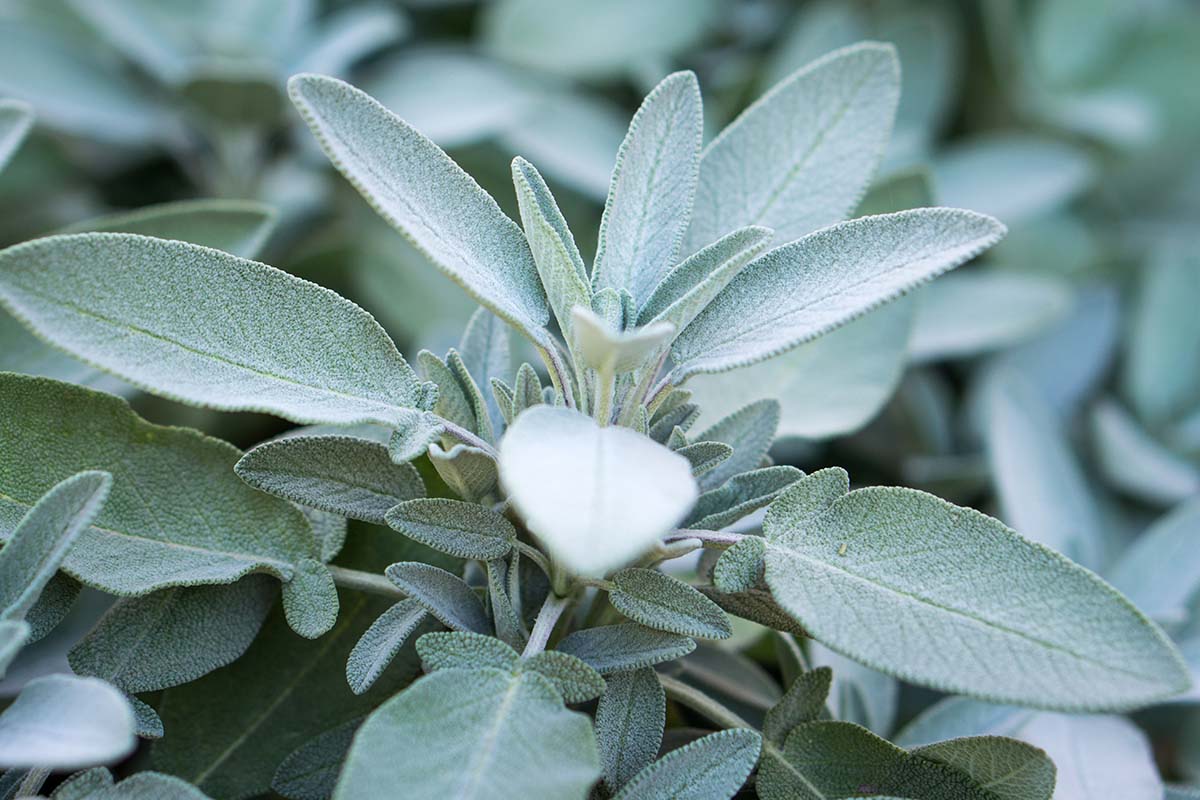
Sage is a tonic herb with many virtues making it one of the most valued medicinal plants of antiquity. The generic name Salvia means “to be saved” and this has made its way into many historical references about sage. In 1931 Maud Grieve wrote in A Modern Herbal that sage is sometimes spoken of as Salvia salvatrix or ‘Sage the Saviour’ and there is a saying from medieval times which, when translated from Latin, says “Why should a man die whilst sage grows in his garden?” Despite recently being pigeonholed as a menopause herb, and often thought of as purely a culinary herb for use in the kitchen, sage supports all bodily systems with major medicinal abilities. Its reputation as a climacteric herb is well founded as its hormone balancing properties can reduce menopausal symptoms, plus its astringent action gives it a drying tendency which has led to its use for the excessive sweating some women experience during this time. This tightening and toning is a valuable part of healing leaky or lax tissues. It can also quieten overzealous saliva glands (especially when supporting patients with Parkinson’s disease), cease lactation, ease a runny nose, calm excessive vaginal discharges and loose stools. 

Sage is a bitter herb with digestive and liver stimulant actions useful for encouraging the flow of digestive enzymes and promoting the appetite. This also explains its use in the preparation of fatty foods. Its carminative action helps ease gas and bloating. It also improves cholesterol and diabetes markers making it beneficial for people with diabetes and insulin resistance. Its astringency makes it the herbal go-to sore throat remedy long used for oral health and symptoms of laryngitis and tonsilitis along with its use as a gargle or mouthwash to assist in the healing of inflamed gums and mouth ulcers. It will enhance the immune system and help prevent infections, especially in the respiratory system, and autoimmune problems. 

Sage is a tonic for the nervous system, enhancing strength and vitality, and can be considered for nervous exhaustion, post-viral fatigue and general debility. Its cognitive enhancing effects may be beneficial for memory and attention in people with attention deficit hyperactivity disorder (ADHD), memory loss and Alzheimer’s symptoms. Its powerful antioxidant properties make it a traditional tonic for longevity where it helps delay the aging process and reduce the harmful effects of free radicals. It also has applications as an anti-inflammatory. All the more reasons to bring sage to the front of the spice rack and herbal dispensary.

References

Jones L. A Working Herbal Dispensary. Aeon:Glasgow. 2023. p317-8

Lovell Verinder E. Plants for the People. Thames and Hudson:Port Melbourne.

2020. p173

Grieve M. A Modern Herbal. Penguin Books:Middelsex. 1931. p701

News Image
News Category
News Summary
Sage, a revered medicinal herb since antiquity, is celebrated for its wide-ranging therapeutic properties, including hormonal balance, digestive support and cognitive enhancement, making it a powerful ally for overall health and vitality.

Add new comment

Nigella – Adolescent Polycystic Ovary Syndrome (PCOS)

Submitted by admin on Mon, 10/14/2024 - 18:03

Nigella in the management of adolescent polycystic ovary syndrome (PCOS): results of a randomised controlled trial

A clinical trial published in July this year found that short-term supplementation with nigella (Nigella sativa) may be effective in improving hormonal balance, menstrual irregularities and reducing ovarian volume in adolescents with PCOS. PCOS is a common endocrine disorder in women of a reproductive age and is the most common cause of infertility due to anovulation. It is associated with irregular menstrual cycles, excess facial and body hair, acne, heavier weight, ovarian cysts and increased risk of diabetes. Early diagnosis and treatment of this condition can prevent long-term health, reproductive and emotional consequences associated with this syndrome. Nigella has antioxidant, anti-inflammatory and insulin resistance-lowering properties which may have therapeutic benefits in PCOS.

The 16-week trial was conducted on 103 adolescents (mean age 17) with PCOS who had been referred to private or government obstetrics and gynaecology clinics in Iran. Participants were randomly allocated to either the intervention group (1000mg capsule per day of nigella) or control group (10mg tablet per day of the hormone medroxyprogesterone from the 14th day of the cycle for 10 nights). The mean difference in hirsutism score changes, right and left ovarian volume (by ultrasound), serum luteinising hormone (LH) and testosterone were significantly higher in the intervention group compared to the control group. The occurrence of infrequent periods, heavy irregular menstrual bleeding and absence of menstruation were significantly reduced after the study in the intervention group compared to the control group.

The researchers concluded that nigella’s effect on hirsutism might be related to male sex hormone-reducing effects. They said the reduced serum LH levels could be attributed to the effects of nigella on insulin resistance. Previous evidence has shown that increased insulin levels and insulin resistance intensify the production of sex steroids stimulated by ovarian gonadotropins and cause abnormal LH secretion. Nigella’s effect on menstrual disorders could be due to phytoestrogen compounds. Phytoestrogens are weak oestrogenic compounds that bind to oestrogen receptors. The authors also postulated that another mechanism of action might be related to nigella’s unsaturated fatty acid content, including linoleic acid and oleic acid. The oestrogenic effects of these unsaturated fatty acids have been reported in previous studies. Further research and long-term studies are warranted to validate the potential therapeutic effects of nigella in adolescents with PCOS.

References

Mahmoudian A, Ashouri A, Bilandi RR, Mohammadzadeh F, Dashti S, Bahri N. The possible short-term of Nigella sativa - L in the management of adolescent polycystic ovarian syndrome: results of a randomized controlled trial. J Ovarian Res. 2024 Jul 12;17(1):144. doi: 10.1186/s13048-024-01460-x. PMID: 38997723; PMCID: PMC11242022.

News Image
News Category
News Summary
Learn about a clinical trial published in July 2024 which found that short-term supplementation with nigella (Nigella sativa) may be effective in improving hormonal balance, menstrual irregularities and reducing ovarian volume in adolescents with PCOS.

Add new comment

The Herbal Sweet Spot

Submitted by admin on Mon, 10/14/2024 - 17:51

In this era of evidence based herbal medicine many practitioners are reconnecting with their traditional roots and bringing creativity into their practice. One of the key concepts of traditional herbalism is taking a personalised approach by choosing herbs for the person rather than the ailment. This is the art of herbalism – matching health solutions to the person and not the disease. Herbalists and naturopaths seek to understand a person, and their underlying imbalances, and skillfully match herbs, diet and lifestyle suggestions to help them create health from the inside out. When using herbs in this way they become a powerful tool to help someone discover, as well as resolve, the root cause of their health problems. 

A practitioner who integrates energetic principles into their practice is looking far beyond the name of the condition that ails the patient, they are tuning in to the nature of their constitution and the elemental balance in their body. This is one of the reasons that herbalism is such a powerful form of medicine. The idea that we are individuals, and that herbs, food and lifestyle choices should be matched to a person’s particular needs is found in all the major traditional herbal systems including Western herbalism (the four humors), Ayurveda (the tridoshic system) and Traditional Chinese Medicine (the five phases and organ systems) and they take many years to study and comprehend. 

The concepts of herbal energetics can be simplified into an approach that categorises herbs based on four complementary qualities, hot/cold and dry/damp, rather than solely their chemical constituents. This framework is used by many herbalists and naturopaths as their underlying diagnostic principle. Both people and plants can be assessed in terms of the four qualities with the goal being to support health by nurturing energetic balance. The energetics of a person is often referred to as their constitution. For instance, a warming herb might be indicated for a patient with a cold constitution, while a cooling herb could be beneficial for someone with inflammation or irritability. Everyone contains some aspect of the four qualities but has general tendencies, which can be affected by external forces such as weather or food. Using the senses, especially tasting herbs, is a way to understand herbal energetics. Understanding the general constitution, the energetics of the current illness, if there is one, and the energetics of plants leads to the “herbal sweet spot”. 

In holistic herbal medicine the mind, body and spirit cannot be separated. The ultimate goal of utilising herbal energetics is to create a holistic treatment plan that not only addresses physical symptoms but also considers emotional and spiritual wellbeing. By understanding the energetic properties of herbs and their patients, herbalists and naturopaths can facilitate a deeper connection between patients and their healing processes. It is a valuable approach when used alongside a more modern physiological and system-based approach

References

de la Foret R. Alchemy of Herbs. Hay House: California. 2017. p11

de la Foret R. Taste of Herbs. Learning Herbs:Shelton. 2017. p7

de la Foret R. Taste of Herbs. Learning Herbs:Shelton. 2017. P22

Jones L. A Working Herbal Dispensary. Aeon:Glasgow. 2023. p33.

News Image
News Category
News Summary
In this era of evidence based herbal medicine many practitioners are reconnecting with their traditional roots and bringing creativity into their practice. Explore the concepts of herbal energetics and the art of herbalism.

Add new comment

Lady’s Mantle

Submitted by admin on Mon, 09/23/2024 - 17:13

Lady’s Mantle was named so because the herb’s leaves are said to resemble a lady’s (particularly the Virgin Mary’s) waterproof cloak bringing to mind the doctrine of signatures which states that a herb’s appearance signals which ailments it can be affective for. High in tannins, giving it a moderate degree of astringency, lady’s mantle tones and tightens the tissues as well as the spirit where it can protect “like a cloak wrapping us up against threatening influences.”  

Lady’s Mantle has an affinity for the female reproductive system although it can be used for men too. It is most commonly used for all matters relating to lax tissues in the uterus and vaginal mucous membranes, especially in regard to excessive discharges. Herbalists work with this anti-inflammatory aspect to relieve period pains, regulate periods, to address fibroids and endometriosis and reduce heavy periods (particularly combined with shepherd’s purse (Capsella bursa-pastoris)), especially when there is a history of sexual abuse or trauma. It also has a role to play in easing the changes of menopause.  

Lady’s Mantle is also used to promote fertility although it does not work quickly (use for at least three months). It is often combined with other herbs like raspberry leaves (Rubus idaeus), red clover (Trifolium pratense) and nettle leaf (Urtica dioica). American clinical herbalist and bestselling author, Rosalee de la Foret, recommends the ideal way to trigger the toning and healing action is as a sitz bath for tears during labour, haemorrhoids or general postpartum healing, in which case she often combines it with ribwort (Plantago lanceolata), yarrow (Achillea millefolium) and calendula (Calendula officinalis). Historically lady’s mantle was used to heal wounds and staunch bleeding. Nowadays, it is an underutilised plant that deserves more of the spotlight. Its astringency provides a role in the treatment of diarrhoea, as a mouthwash for sores and ulcers and as a gargle for laryngitis.

References

Jones L. A Working Herbal Dispensary. Glasgow:Aeon. 2023. p.207-9

de la Forêt R. c2010-2022 www.HerbalRemediesAdvice.org. (accessed 20 Aug 2024). Available from https://www.herbalremediesadvice.org/alchemilla-vulgaris.html

McIntyre A. The Complete Women’s Herbal. London: Gaia Books Limited, 1994. p. 110

News Image
News Category
News Summary
Reveal how Lady’s Mantle, with its astringent properties, supports reproductive health, eases menstrual discomfort, promotes fertility, and aids in postpartum healing and wound care.

Add new comment

Botanical Name
Alchemilla vulgaris

Ginger - Nausea and Period Pain

Submitted by admin on Wed, 09/18/2024 - 17:12

Known as the ‘universal medicine’ in Ayurveda, ginger has been indispensable to Indian and Chinese medicine, and cuisine, since antiquity and it was one of the earliest spices to reach the West. An old Indian proverb says 'every good quality is contained in ginger' and it still remains one of the most popular herbs of our time. A close relative of turmeric (Curcuma longa), ginger has been widely studied with positive results for a variety of issues making it one of the more accepted herbs in Western medicine.

There are many studies, including observational studies, randomised controlled trials as well as multiple systematic reviews, including a Cochrane review, that suggest that ginger powder or extract may be safe and effective in treating the nausea and vomiting of pregnancy which rank high among the most common complaints during the early weeks of pregnancy. Regarding its use in gynaecology reproductive health guru Ruth Trickey says the warming properties of ginger make it useful for period pain that is improved by the application of heat or warm drinks. She says ginger is also useful for the many women who experience nausea and vomiting with their period. Ginger can aggravate the hot flushing of menopause so Trickey recommends its use for premenstrual and menstrual migraines but not when these occur around menopause. Ginger has also displayed significant efficacy controlling chemotherapy induced nausea and vomiting in experimental groups.

Trickey says ginger is an important herb in the first stage of acute infectious illness where it is traditionally used in conjunction with other herbs to facilitate a sweat. “The outcome of using ginger is to cause a lowering of the temperature, an effect similar to that of aspirin. It is possible that the observed benefits are also related to an anti-infective effect, as some components are known to have activity against the rhinoviruses which are implicated in the common cold.

References

HEC monograph

News Image
News Category
News Summary
Renowned in Ayurveda and Western medicine, delve into how ginger can offer relief for nausea, period pain, and chemotherapy-induced vomiting, while supporting immune health and aiding in temperature regulation.

Add new comment

Scientific Research and Traditional Wisdom

Submitted by admin on Wed, 09/11/2024 - 17:17

When it comes to research in herbal medicine on one end of the spectrum is the pillar of experimental research and on the other is properly conceived empiricism to make up the continuum of scientific philosophy. Traditional knowledge and empiricism are the ongoing flow of medical wisdom for thousands of years. Traditional herbalists might follow practices like Western herbalism, Traditional Chinese Medicine or Ayurveda. In sharp contrast, scientifically driven herbalists focus on using plant phytochemistry to guide their practice. These are two equally stable and valuable poles. No one disputes the scientific validation of a herb to encourage a deeper understanding and appreciation of its complex healing properties. It can empower herbalists to treat new conditions with ancient remedies. Used properly, and in context, good science has much to offer phytotherapy. The challenge herbal medicine faces today is how to integrate science with the traditional knowledge that is at the foundation of its practice and respect the mysteries that science has yet to uncover. 

To set the scene there are four main types of scientific research including chemical analysis, in vitroin vivo and clinical research. As the name suggests, chemical analysis helps us understand the chemical profile of herbs. In vitro is Latin for ‘in glass’ and in vivo is Latin for ‘within the living’. In vitro studies describe experiments that researchers perform outside a living organism in petri dishes and test tubes. In contrast, in vivo studies typically involve live animals (which some herbalists condemn), especially rodents, or people. Clinical research involves conducting well-structured studies where people are given herbs and the outcomes are measured. For herbalists, clinical research is the most applicable and valuable form of scientific study, offering us insights that can help potentially find novel (not previously identified) uses of herbal medicine. Even though clinical research is the most reliable source of scientific information on herbs there can be flaws such as bias, poor design and administration (i.e. was it isolated compounds rather than whole plant). 

Sometimes animal research can begin to pave the way for novel uses of herbs, which would warrant further study, however caution must be taken in extrapolating results to humans as it can be misleading and counterproductive because of species differences. While in vitro studies are interesting, they do not accurately represent the complexity of the human body. Much of this research looks at the antimicrobial (including antiviral and antibacterial effects of herbs), based on their interactions with microorganisms in a controlled environment, and can commonly be misinterpreted. Although these herbs might be effective when applied to the skin, things become far more complicated when ingested because the body’s organs, organ systems, tissues, biochemical interactions and metabolic transformations add dimensions that a simple petri dish experiment cannot replicate. For example, cancer cells can be killed in a petri dish by everything from fire to bleach but preclinical studies must always be followed by clinical studies in humans before we can make any recommendations to patients. 

Clinical herbalist, herbal medicine industry leader and prolific author Kerry Bone has pontificated about the herbalists’ pun in vitro non veritas which means ‘test tube research, on herbs in particular, has a limited capacity to lead to the truth’. The pun is derived from the ancient adage in vino veritas, which is a Latin phrase that means 'in wine, there is truth', suggesting a person under the influence of alcohol is more likely to speak their hidden thoughts and desires. The phrase is sometimes continued as, in vino veritas, in aqua sanitas, 'in wine there is truth, in water there is good sense (or good health)'. In vivo veritas is a pun on in vino veritas and means ‘in a living thing [there is] truth’. This is an expression used by biologists to express the fact that laboratory findings from testing an organism in vitro are not always reflected when applied to an organism in vivo. In a 2023 seminar Bone said: “People are extrapolating activities inappropriately from herbal research and the herbal world is rife with it.”  In his book Functional Herbal Therapy he says: “in general we should be highly cautious about extrapolating the findings of in vitro herbal research to clinical situations.”  In an earlier paper he says: “I have attended several talks by herbalists or natural therapists where they might list many hypothetical activities for herbs derived from in vitro or in vivo research as if they were absolute facts. Moreover, they often do not clarify in their presentations which information comes from pharmacological models and which has been proven in clinical trials. Extrapolation from pharmacological studies should be clearly stated and the information regarded as only of tentative relevance to a clinical situation… The treatment of the patient as an individual can never be outweighed by results of double-blind clinical trials. In any examination of the worth and future potential of herbal medicines, their traditional therapeutic context should not be discarded. To do so will limit the value of herbs and make them subservient to modern reductionist thinking and superficial symptom control.” Something to ponder next time you are mixing your herbs.

References

Stewart D. Personal communication. Southern Cross Herbal School. Ourimbah. 2005.

Niemeyer K, Bell IR, Koithan M. Traditional Knowledge of Western Herbal Medicine and Complex Systems Science. Journal of herbal medicine. 2013;3(3):112-119. doi:10.1016/j.hermed.2013.03.001.

Popham S. Is All Herbal Research Trustworthy? The School of Evolutionary Herbalism. c2014 – 2024 (accessed 21 Aug 2024) Available from https://www.evolutionaryherbalism.com/2024/04/24/is-all-herbal-research-trustworthy/

Popham S. Is All Herbal Research Trustworthy? The School of Evolutionary Herbalism. c2014 – 2024 (accessed 21 Aug 2024) Available from https://www.evolutionaryherbalism.com/2024/04/24/is-all-herbal-research-trustworthy/

Popham S. Is All Herbal Research Trustworthy? The School of Evolutionary Herbalism. c2014 – 2024 (accessed 21 Aug 2024) Available from https://www.evolutionaryherbalism.com/2024/04/24/is-all-herbal-research-trustworthy/

Bone K. The role of herbs and phytonutrients in acute and long Covid: An update. NHAA Naturopathic Symposium 27-28 May 2023.

Bone K. Functional Herbal Therapy. London:Aeon. 2021. p215

Bone K. Phytotherapy: Challenges for the 21st Century. Mediherb: A Phytotherapist’s Perspective. 1999 Dec;5:9.


News Image
News Category
News Summary
Unpack the delicate balance between scientific research and traditional wisdom in herbal medicine, by navigating the strengths, limits, and integration of in vitro, in vivo, and clinical studies.

Add new comment