Herbal Medicine

Cordyceps

Submitted by admin on Wed, 09/11/2024 - 17:16

A randomised controlled clinical trial examining the effects of Cordyceps militaris beverage on the immune response in healthy adults

A study published earlier this year found that cordyceps can potentially be developed as an immune-boosting supplement. The study aimed to investigate the immunostimulatory effects of a fermentation of Cordyceps militaris (FCM) in healthy male and female volunteers.

 Healthy men and women were provided either FCM or placebo for eight weeks (10 for each gender). The immune cell markers, immunoglobulins and safety parameters were assessed initially at baseline and at four and eight weeks. Natural killer (NK) cells play an important role in innate immune responses to viral infections. FCM stimulates the human immune response by activating NK cells. The NK cell activity markedly increased in the male FCM group from baseline to four weeks after receiving FCM. Compared with those in the placebo group, the NK activity in women who received FCM for eight weeks significantly increased from baseline. Cytokines are signalling molecules released into the bloodstream by cells to activate or suppress an immune response. FCM reduced inflammatory cytokine secretion in men and women without toxicity.

This beneficial effect of FCM indicates its use as a new alternative approach as a natural immunostimulatory supplement. However, it should be noted that the mechanisms underlying the immune activator effects of FCM and its impact on immune-related disease in patients requires further investigation. Future studies should also recruit a larger number of participants.

References

Ontawong A, Pengnet S, Thim-Uam A, Munkong N, Narkprasom N, Narkprasom K, Kuntakhut K, Kamkeaw N, Amornlerdpison D. A randomized controlled clinical trial examining the effects of Cordyceps militaris beverage on the immune response in healthy adults. Sci Rep. 2024 Apr 5;14(1):7994. doi: 10.1038/s41598-024-58742-z. PMID: 38580687; PMCID: PMC10997757.


News Image
News Category
News Summary
Investigate Cordyceps' potential as a natural immune-boosting supplement, with clinical evidence showing increased NK cell activity and reduced inflammation in healthy adults without toxicity.

Add new comment

Black Cohosh

Submitted by admin on Mon, 09/09/2024 - 17:09

Black cohosh is perhaps one of our most misunderstood herbs. Research on black cohosh’s mode of action has historically focused on its presumed hormonal (phytoestrogenic) activity but recent work suggests that it may in fact be acting as an antinociceptive agent. Re-examination of some of the writings of 19th and 20th century physicians and folk literature suggests that this mode of action may have been overlooked in modern experimentalists' in vitro and animal studies and in the very few well conducted human trials to date. The authors concluded that the common folk perception of this plant as a "remedy for female problems" may thus require revision as it may possess more general analgesic properties. “Future research will be hindered if the ancient wisdom is ignored and the synergy of the plant matrix is overlooked. A small number of studies in the Western medicine tradition have now begun to consider the link between black cohosh and pain, acknowledging what has been known for a long time.” 

Internationally renowned herbalist Rosemary Gladstar concurs and says black cohosh is not just ‘the menopause herb’, it has a long history of being used for the nervous system. She says there’s been so much research on it for the women’s reproductive system that its major use for the nervous system, and for stressed tight muscles, has been overlooked. While Gladstar uses it for stressed menopausal women she says her favourite use for black cohosh is for muscle tension and stress where it soothes and relaxes the smooth muscles in bad backs and sore limbs. She says it is a plant for women not just going through menopause but also cramping, pain and tension during the menstrual cycle. “It seems to have a balancing effect on the hormonal cycles of women and regulates the menstrual cycle.” 

American herbalist Jim McDonald echoes these sentiments and says it is important not to be reductionist, and dismissive, to the other virtues of plants by saying, for example, that black cohosh is a menopause herb. He says while the name of a problem, and the name of a herb, might be people’s introduction to herbalism it is not looking at the plant as a whole. “It doesn’t honour the plant or give herbalists the ability to know it as a dynamic individual plant”, he says. He warns herbalists not to use this plant as something for all women when they reach menopause. “It is a specific medicinal herb not a nourishing tonic to be taken by everyone everyday.” He says red clover (Trifolium pratense) is a more nutritious, nourishing food-like tonic for everyday. The specific medicinal profile for black cohosh is dull, achy inflammatory pain whether its muscle, uterine, tension or irritation in the prostate and headaches. McDonald says it acts in the rheumatoid spectrum of joint inflammation and for tender muscles in chronic fatigue syndrome. “A key indication is it has a strong effect on mood and disposition for people with a brooding, melancholy, dark cloud over their head with negative self-talk.”

References

Johnson TL, Fahey JW. Black cohosh: coming full circle?. J Ethnopharmacol. 2012;141(3):775-779. doi:10.1016/j.jep.2012.03.050

Gladstar R. Black Cohosh. [Internet]. Plant Walk video. Learning Herbs c2024. Available from https://www.learningherbs.com/products/plant-walks/categories/2154972023/posts/2176038680

McDonald J. Black Cohosh. [Internet]. Plant Walk video. Learning Herbs c2024. Available from https://www.learningherbs.com/products/plant-walks/categories/2154971239/posts/2176035651

News Image
News Category
News Summary
Long valued for more than just menopause, learn how Black Cohosh offers relief for muscle tension, inflammatory pain, and low mood through its calming, antinociceptive actions.

Add new comment

Holy Basil

Submitted by admin on Thu, 09/05/2024 - 09:20

Holy basil is closely related to the sweet basil (Ocimum basilicum) used in kitchens around the world. It is revered as being without equal for both its medicinal and spiritual properties. Along with “queen of herbs” and “elixir of life” holy basil is also known as tulsi, which means “beyond compare” in Sanskrit. It is also referred to as “Mother Nature of medicine” in the Hindu culture. In the Hindu religion every part of the plant, including the surrounding soil, is venerated and considered sacred.

The emerging science on holy basil, which reinforces ancient Ayurvedic wisdom, suggests that it is a tonic for the body, mind and spirit, that offers solutions to many modern-day health problems. Regular, ongoing, daily consumption of holy basil is recommended to prevent disease, assist in adaptation to the stresses of daily life and to promote general health, wellbeing and longevity. Human studies suggest it may assist in dealing with psychological and immunological stress. According to one of Australia's pioneers in integrative and holistic medicine, Professor Marc Cohen,“many of the physiological benefits of [holy basil] can be attributed to its ability to assist with the body's internal housekeeping and protection of the body from toxin-induced damage.” The question remains: “What can’t holy basil do?”.

Holy basil has become known as “liquid yoga” because, like yoga, it has a calming effect unlike caffeinated beverages, such a black and green tea and coffee, which are more like stimulating aerobic exercise. Prof. Cohen says holy basil can be considered adaptogenic through nurturing and nourishing the body, mind and spirit while fostering a sense of relaxation and wellbeing. “Like yoga,[holy basil] has a calming effect that leads to clarity of thought, along with a more relaxed and calm disposition. The cognitive and memory-enhancing properties of [holy basil] therefore differ from those of caffeine-containing beverages such as coffee and tea, which heightens arousal and may cause physical and mental agitation. Furthermore, [holy basil] does not produce the same physical dependence as caffeine and can be safely consumed on a regular basis without the fear of withdrawal effects,” he says. 

References

HEC Holy Basil monograph

News Image
News Category
News Summary
Esteemed as “liquid yoga,” uncover how Holy Basil supports mind, body, and spirit with adaptogenic, calming, and protective properties that promote clarity, resilience, and long-term vitality.

Add new comment

Immune Modulators

Submitted by admin on Mon, 08/26/2024 - 18:08

A healthy immune system is critical for general physical health and may contribute to mental health as well. Immune modulating herbs are herbs that broadly support the immune system. They can help the body defend against pathogens by adjusting the normal immune response to respond more effectively when a pathogen has been detected. These balancing herbs can be used in signs of excess, such as autoimmunity and allergies, and signs of deficiency as seen in frequent infections. They can be used prophylactically as well, especially during the winter months to help prevent viral infections such as the common cold and influenza. 

The immune system is increasingly found to be involved in the development of a number of chronic illnesses for which allopathic medicine has limited tools for treatment and especially prevention. Herbal medicines, specifically immune modulating herbs, are frequently being used in the treatment of chronic conditions. These conditions are inadequately managed by conventional medicine which offers exceptional symptomatic and emergency-oriented medicine but often fails to get to the cause of the problem and is plagued by side effects from its solutions. The term ‘effectiveness gap’ refers to an area of clinical practice in which available treatments are not fully effective. These include many of the chronic non-communicable and degenerative diseases that are now making the most pressing demands on healthcare systems in the developed world. Herbal medicine may be used independently in these contexts or to support orthodox treatment and counteract the side-effects of conventional drug therapy. When immune modulating herbs are used in this situation they are generally a significant part of an overall plan which will also include addressing diet, lifestyle, and other herbal formulas specific to the condition.

Immune modulating herbs are traditional tonics for supporting the immune system and are slower acting with a more prolonged effect as compared to immune enhancers (or stimulants). They are usually taken regularly for an extended period of time, often six months to a year or even a lifetime. They are generally considered safe for everyone’s use and are often taken traditionally in foods such as bone broth. Many immune modulating herbs are also adaptogens that help to restore balance in the immune system when there is a problem. 

Immune modulators: Herbs such as astragalus, cordyceps (pictured above), lion’s mane, reishi, schizandra, Siberian ginseng, withania.

References

Nodland S. What is an Immunomodulator, and How Does it Help Support Immunity? Wellmune c.2021. (updated 7 May 2020;accessed 20 Aug  2024).Available from https://www.wellmune.com/2020/05/07/what-is-an-immunomodulator-and-how-does-it-help-support-immunity/

Haddad PS, Azar GA, Groom S, Boivin M. Natural health products, modulation of immune function and prevention of chronic diseases. Evid Based


Complement Alternat Med. 2005 Dec;2(4):513-20. doi: 10.1093/ecam/neh125. Epub 2005 Oct 20. PMID: 16322809; PMCID: PMC1297498.

Flower A, Lewith G, Little P. Combining rigour with relevance: a novel methodology for testing Chinese herbal medicine. Journal of Ethnopharmacology. 2011;134:373–8.

McClure L, Flower A, Price S. Scoping the Evidence for the Effectiveness of Herbal Medicines
A Selective Review on behalf of the European Herbal and Traditional Medicine Practitioners Association (EHTPA) May 2016.

Immunomodulating. Taste of Herbs sweet module. Learning Herbs Course. c2021. (accessed 19 Aug 2024). Available https://www.learningherbs.com/products/taste-of-herbs/categories/2155184955/posts/2177002950

News Image
News Category
News Summary
Examine immune modulating herbs like Astragalus, Cordyceps, Lion’s Mane, Reishi, Schizandra, Siberian Ginseng, and Withania, which balance immune response and support long-term wellness and chronic condition treatment.

Add new comment

Immune Stimulants

Submitted by admin on Wed, 08/21/2024 - 18:10

Our immune system is incredibly complex and well designed to keep our inner and outer worlds living in relative harmony. This is achieved by an elegant and intricate set of cells, proteins and organs whose purpose is to protect our bodies from infections and disease, and to help injury recovery. This makes it essential to our survival but unfortunately there are many aspects of modern living that disrupt this delicate balance. 

 On the whole the immune system does a remarkable job of defending against disease-causing microorganisms but sometimes it fails and a germ will invade successfully causing sickness. Whether a person succumbs to pathogens often comes down to the state of their body with stress, tiredness and nutrition all playing a part. An infection seldom takes over a well-nourished, well rested body. There are many ways to keep the immune system healthy including eating well, exercising and getting enough sleep. These can contribute to a strong, healthy, empowered individual who is resistant to infection and disease. 

Infection stimulates the immune system into producing antibodies, or other infection fighting constituents. Immune stimulation aims to increase the immune reaction before infection, or other disease, strikes as a means of preventing the infection or disease. Western medical doctors seek to boost immune system activity by prescribing things like chemotherapeutic agents such as methotrexate, a very strong antimetabolite medicine with many potential serious side effects, that arrests abnormal cellular growth. The modern medicine bag also contains vaccines which may contain either dead, or weakened bacteria or viruses, or other materials such as inactive toxins. Upon injection the vaccine artificially stimulates the body's immune system to produce antibodies against the perceived pathogen.  

In contrast herbalists and naturopaths use plants to stimulate or potentiate the body's own defence mechanisms rather than substitute for them. This way the body's natural balance is preserved and side effects are either not present or substantially reduced. Although both vaccines and herbs elicit an immune response, vaccines boost the body's response to a specific pathogen whereas herbs tend to enhance overall immunity. The immunological activity of different herbal medicines is being increasingly documented with labels such as immune enhancers being ascribed to herbs which enhance non-specific resistance and enhance or stimulate one or more aspects of the immune system, such as immune components that are beneficial in fighting pathogens. 

The key to resistance, and a strong foundation of health, is to support the body so that it can use its own innate intelligence to fight off disease. Given that the modern virus remains as elusive as it ever was an emphasis on strengthening defences is appropriate. Below are some immune stimulants (enhancers) which may help support a healthy immune system in combination with general healthy living strategies.  

Immune enhancers (immune stimulants): Herbs which stimulate one or more aspects of the immune system. Herbs such as andrographis, cat’s claw, codonopsis (pictured above), echinacea, Korean ginseng, liquorice, poke root, reishi, and Siberian ginseng.

References

Low Dog T. Immune health – a deep dive. Medicine Lodge Academy. Available from https://medicine-lodge-ranch.teachable.com/p/immune-health1/?product_id=2959404&coupon_code=FORTIFY&mc_cid=ec51701a38&mc_eid=26aee821c7

Immune stimulation, as a vaccine. Encyclopaedia.com. c 2019. (accessed 9 June 2021). Available from https://www.encyclopedia.com/science/encyclopedias-almanacs-transcripts-and-maps/immune-stimulation-vaccine

Zimmerman M. Immune Enhancers. The Chiropractic Resource Organization. (updated Feb 1999: accessed 12 Aug 2024) Available from https://chiro.org/Graphics_Box_NUTRITION/FULL/Immune_Enhancers.shtml

Bone K, Mills S. Principles and Practice of Phytotherapy. 2nd ed. Edinburgh:  Churchill Livingstone Elsevier; 2013. p.130. p.238

News Image
News Category
News Summary
Investigate how immune enhancers, such as Echinacea, Reishi, and Siberian Ginseng, stimulate the immune system, supporting overall resistance and complementing healthy living practices.

Add new comment

Lion's Mane: Double Blind Placebo Controlled Study

Submitted by admin on Wed, 08/14/2024 - 18:15

The first study of its kind to examine the effects of lion’s mane on cognitive performance in healthy subjects was published at the end of last year in the journal Nutrients. This unique investigation measured the acute benefits of lion’s mane and guayusa extract on objective cognitive performance, subjective cognitive perception and self-perceived happiness in low to moderate caffeine consumers. Guayusa is native to the Amazon rainforest and harvested primarily in Ecuador. Its leaves are typically brewed to make tea and touted for their caffeine and antioxidant content. The study takes a significant step towards understanding lion's mane's more immediate cognitive advantages for healthy adults in as little as 60 minutes post-ingestion. This research challenges the prevailing belief that lion's mane can only provide more long-term, chronic benefits (i.e. 30 to 60 days use). This study has also contributed to understanding the effects of lion’s mane on healthy adults, whereas most other studies so far have investigated its effects on participants with cognitive impairments and have shown benefits towards neurodegenerative diseases, while only a few have examined cognitive performance in healthy adults, and none have investigated the acute (i.e. single dose) cognitive effects. 

 Using a randomised, double-blind, placebo-controlled, crossover design the study involved 40 participants who were given a single dose of 650mg of guayusa extract, or 1mg of lion’s mane, or the placebo (maltodextrin), and were assessed before ingesting the dose, one hour after ingestion and two hours after ingestion. The assessments included neuropsychological tests, vital signs and subjective assessments of cognitive perception and mood, including “mental clarity, focus, concentration, anxiety/stress and happiness.”

 According to the results of the study, participants who ingested the lion’s mane extract demonstrated improved working memory, complex attention and reaction time two hours post ingestion and perceptions of happiness over a two-hour period. Guayusa significantly improved mental clarity, focus, concentration, mood and productivity. It also raised participants’ blood pressure, and significantly improved cognitive performance and self-perceived cognitive indices of affect over a two-hour period and perceptions of happiness two hours post ingestion. Interestingly, guayusa did not increase the sensation of jitters that have been commonly reported with caffeine. Lion’s mane and guayusa improved subjective ratings of “happiness compared to peers” and “getting the most out of everything” however, this occurred earlier in lion’s mane (i.e. one hour post ingestion).

 The researchers concluded by saying “although this study shows that continuous intake of lion’s mane is not necessary to stimulate positive cognitive benefits, a longer duration or higher doses of lion’s mane use may be needed to remodel nerve structures in the brain and potentially provide even greater effects acutely and/or chronically. In addition, the antioxidant effects of lion’s mane and [guayusa] may provide additional health benefits or more consistent improvements in cognition with chronic use.” 

References

McEvoy E. Proprietary lion’s mane extract shown to improve cognitive function in recent study. Nutritional Outlook c2024 MJH Life Sciences (updated 31 Jul 2024;accessed 6 Aug 2024). Available from https://www.nutritionaloutlook.com/view/proprietary-lion-s-mane-extract-shown-to-improve-cognitive-function-in-recent-study

La Monica MB, Raub B, Ziegenfuss EJ, Hartshorn S, Grdic J, Gustat A, Sandrock J, Ziegenfuss TN. Acute Effects of Naturally Occurring Guayusa Tea and Nordic Lion's Mane Extracts on Cognitive Performance. Nutrients. 2023 Dec 6;15(24):5018. doi: 10.3390/nu15245018. PMID: 38140277; PMCID: PMC10745489.

News Image
News Category
News Summary
Lion’s Mane may enhance cognitive performance and mood. Explore what new research reveals about its acute effects in healthy adults, as shown in a 2023 double-blind, placebo-controlled study.

Add new comment

Walking Pneumonia

Submitted by admin on Wed, 08/14/2024 - 18:13

Respiratory ‘bug’ soup and ‘walking’ pneumonia

Recent reports suggest that Australia is experiencing a spike in respiratory infections with cases of Mycoplasma pneumoniae circulating in the community, particularly among children. Mycoplasma pneumoniae (mycoplasma) is a bacterium which can cause respiratory (chest) infections. It commonly causes mild respiratory infections and generally resolves without serious complications. It is sometimes called ‘walking’ pneumonia because the patient may appear well. In some cases it can lead to severe pneumonia (lung infection) needing admission to hospital. Like most respiratory pathogens, infection usually occurs during the winter months but can happen year-round. An increase in Mycoplasma pneumoniae circulation usually occurs every three to seven years as population immunity wanes. 

Mycoplasma spreads through respiratory droplets from coughing or sneezing and can occur in people of any age but is most common in school-aged children and young adults. Typical symptoms may develop over one to three weeks and include fever, dry cough, sore throat, fatigue, headache, malaise and, in some cases, shortness of breath. Royal Australian College of General Practitioners President Dr Nicole Higgins recently told the media: “We’ve got a respiratory bug soup at the moment, it’s multiple bugs that are impacting especially our children,” she said. “The general rule of thumb is if your child’s not getting better, get them checked out [for mycoplasma].” Mycoplasma infection is diagnosed by a nose and throat swab. Sometimes a doctor may also do a blood test or a chest x-ray to check for lung infection (pneumonia). 

Mycoplasma bacteria lack a cell wall and are a very important stealth pathogen which can make them drug resistant. There is a strong association between this bacteria and chronic fatigue syndrome, and other fatigue-based conditions, so it is imperative that successful eradication of the condition is ensured. This involves rest, sleep and recuperation, inhalations and chest rubs, sufficient dietary support to support the immune response and control symptoms, and herbal prescriptions to eradicate infection and restore respiratory function. Herbal medicine can support the immune system, reduce inflammation, reduce excessive secretions and alleviate the cough. Herbal formulas could include immunomodulating herbs such as astragalus (Astragalus membranaceus), cat’s claw (Uncaria tomentosa), echinacea (Echinacea spp.) and olive leaves (Olea europaea), anti-inflammatory herbs such as green tea (Camellia sinensis) and respiratory herbs such as elecampane (Inula helenium), thyme (Thymus vulgaris) and grindelia (Grindelia robusta). 

References

Mycoplasma pneumoniae infection. NSW Government NSW Health. State of New South Wales NSW Ministry of Health c 2023. (updated 23 May 2024; accessed 2 Aug 2024). Available from https://www.health.nsw.gov.au/Infectious/factsheets/Pages/mycoplasma-pneumoniae.aspx

McAnulty J. Legionella and Mycoplasma Pneumonia. NSW Ministry of Health (updated 3 Jan 2024; accessed 2 Aug 2024). Available from https://www.health.nsw.gov.au/Infectious/Documents/Legionella-and-Mycoplasma-Pneumonia-GP-alert_3January2024.pdf

News Image
News Category
News Summary
Mycoplasma pneumoniae is resurging in Australia’s ‘respiratory bug soup.’ Learn how herbal medicine may support immune function, ease symptoms, and promote recovery from this stealth respiratory pathogen.

Add new comment

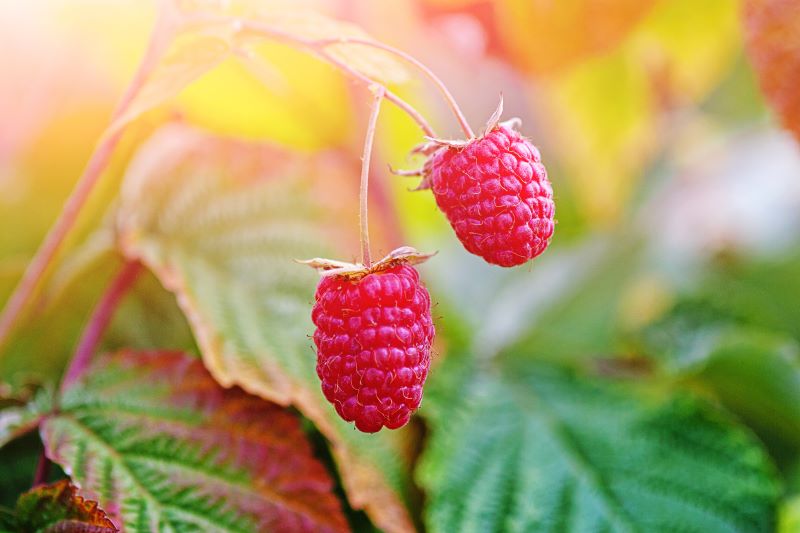
Raspberry

Submitted by admin on Mon, 08/05/2024 - 18:00

Raspberry leaf has long been pigeon holedas a women’s uterine tonic and while it does make childbirtheasier it is also known for its ability to address inflammation in the mouth and throat, for allergies andinfluenza with copious free discharge of clear mucous and for diarrhoea. Raspberry leaftones the mucousmembranes throughout the body and soothes the kidneys and urinary tract.

Raspberry’s astringent and stimulating properties help to strengthen and tone the uterine and pelvicmuscles, while the relaxing and soothing properties relax theuterus at the same time. This acts to reducethe pain of uterine contractions during childbirth and also make the contractions more effective andproductive, thereby easing and shortening the duration of the birth and reducing the risk ofhaemorrhage. Itcan also aid with production and maintenance of breastmilk, as an adjunctive treatmentfor menorrhagia, and as a general and uterine tonic following surgery to the uterus, for example, theremoval of fibroids, termination of pregnancy or a curette.

In our latest naturopathic guide on uterine fibroids, raspberry extract is one of the herbs listed forconsideration to include in treatment plans.Raspberry leaf can be beneficial for uterine fibroids as it canhelp soothe the pelvic pain anddecrease the heaviness of the periods associated withfibroids

References

de la Forêt R. Raspberry monograph. [Internet] Herb Mentor:Learning Herbs c2020[accessed Jul 15 2020.] Available fromhttps://herbmentor.learningherbs.com/herb/raspberry/

Hechtman L. Advanced Clinical Naturopathic Medicine. Elsevier Australia:Chatswood.2020. p. 439

HEC The Naturopath's Guide to Uterine Fibroids

News Image
News Category
News Summary
Unveil how Raspberry leaf not only supports childbirth by easing uterine contractions but also helps alleviate inflammation in the mouth, throat, and urinary tract, while benefiting uterine fibroids and menstrual health.

Add new comment

Sarsaparilla

Submitted by admin on Mon, 07/22/2024 - 15:36

To many Australians sarsaparilla is a uniquely flavoured, old-fashioned soft drink which is sold under the brand name SARS. That is SARS as in "sarsaparilla" not SARS the lethal virus, bringing into question the old adage that ‘any publicity is good publicity’. Strangely enough, sales of this soft drink actually increased during the SARS epidemic, with a BBC news website reporting that some people were asking, “Is this a medicine for SARS or protection against SARS?”. 


However, despite this PR nightmare, the Smilax species have a long history in folk medicine for the treatment of inflammation. A build-up of toxins in the body is linked to inflammation and this species promotes the elimination of toxic waste. The native people of the Amazon area know sarsaparilla as a blood cleanser (alterative) and have traditionally used it to re-establish virility in men, to treat the symptoms of menopause in women, for urinary complaints and as a cough remedy. The late Dorothy Hall said for teenage acne sarsaparilla is often prescribed with liver regulators like dandelion (Taraxacum officinale) and fenugreek (Trigonella foenum-graecum)…”If you still ‘break out’ on the face before a period, or suffer spotty eruptions around the neck and the hairline past the twenties, sarsaparilla may be needed to help your hormones ‘decide’ on their levels of production." 


Sarsaparilla’s most enduring recommendations have been for rheumatism and psoriasis. It is particularly useful when there is a lot of irritation. Sarsaparilla was extensively studied as a treatment for psoriasis in the early 20th century prior to the development of many of the steroidal type drugs in common use today. The studies were not nearly as rigorously constructed as modern trials but they show some compelling evidence nevertheless. This is especially persuasive given how difficult it is to successfully treat psoriasis. Two to three months of treatment were commonly required but more than 50% of the people suffering from psoriasis improved when given large daily doses of sarsaparilla extracts. The patients who received the most benefit had chronic plaque psoriasis.

References

Eslick GD. SARS in a can! The Medical Journal of Australia. 6 Dec 2004 https://doi.org/10.5694/j.1326-5377.2004.tb06477.x

Tian L-W, Zhang Z, Long H-L, Zhang Y-J. Steroidal Saponins from the Genus Smilax and Their Biological Activities. Natural Products and Bioprospecting. 2017;7(4):283-298. doi:10.1007/s13659-017-0139-5.

Hall D. Dorothy Hall’s Herbal Medicine. Sydney:Lothian. 1988. p. 273.

Thurmon FM. The Treatment of Psoriasis with a Sarsaparilla Compound. July 23, 1942. N Engl J Med 1942; 227:128-133

News Image
News Category
News Summary
Uncover how Sarsaparilla, a traditional remedy for inflammation and detoxification, can be used to address acne, rheumatism, and psoriasis, with promising results in chronic conditions.

Add new comment

Echinacea Reduces Antibiotics: A Meta-Analysis

Submitted by admin on Sun, 07/14/2024 - 15:33

Echinacea can safely prevent respiratory tract infections (RTIs) and associated complications, thereby decreasing the demand for antibiotics an April 2024 study has concluded. The results also support the beneficial effects of long-term, preventative echinacea supplementation. Despite medical advances RTIs are still the most frequent illnesses worldwide and are the leading cause of antibiotic prescriptions, primarily due to the risk for secondary bacterial infections. Approximately one-third of all RTIs affect children below five years of age, of which a disproportionally high number of 0.7 million cases are lethal. A higher fatality rate is also reported for elderly people and immunocompromised patients (these numbers do not account for the recent COVID-19 pandemic).


The prevention of RTIs may be achieved by taking echinacea species as antiviral and immunomodulatory actions have been reported. Recent literature has found a wide spectrum of activity for alcoholic extracts against enveloped respiratory viruses, including influenza viruses, respiratory syncytial virus (RSV), coronaviruses and SARS-CoV-2. Clinical benefits manifest not only in a reduced risk of RTIs but also of RTI relapses and secondary complications.


In the systematic review and meta-analysis a comprehensive search identified 30 clinical trials (39 comparisons) studying echinacea for the prevention or treatment of RTIs in 5652 subjects. Echinacea significantly reduced the monthly RTI occurrence, risk ratio and number of patients with RTIs. Echinacea reduced the risk of recurrent infections, RTI complications and the need for antibiotic therapy, with total antibiotic therapy days reduced by 70%. 

References

Gancitano G, Mucci N, Stange R, Ogal M, Vimalanathan S, Sreya M, Booker A, Hadj-Cherif B, Albrich WC, Woelkart-Ardjomand K, Kreft S, Vanden Berghe W, Hoexter G, Schapowal A, Johnston SL. Echinacea Reduces Antibiotics by Preventing Respiratory Infections: A Meta-Analysis (ERA-PRIMA). Antibiotics (Basel). 2024 Apr 16;13(4):364. doi: 10.3390/antibiotics13040364. PMID: 38667040; PMCID: PMC11047471.

News Image
News Category
News Summary
In an April 2024 study, uncover how Echinacea can safely prevent respiratory tract infections (RTIs), reduce the need for antibiotics, and lower the risk of complications.

Add new comment