Herbal Medicine

Angelica

Submitted by admin on Sun, 12/11/2022 - 19:15

A large member of the parsley family, angelica was traditionally viewed as a warming and tonifying agent. It was seen principally as a protection against contagion, with an almost supernatural ability to protect against an often cold and diseased environment. This mystical reputation explains its common and generic name. Legend has it that a monk dreamed that he met an angel who showed him a herb that could cure the scourge of the bacterial disease bubonic plague in Europe in 1665. The herb was angelica and the monk named it in honour of the angel in his dream. Angelica water was incorporated into the official English plague remedy developed by the Royal College of Physicians in London and called the King’s Excellent Plague Recipe.

Angelica’s warming benefit works in the digestive tract and lungs. It is a warming aromatic bitter useful for stimulating the appetite and digestion. Its carminative action soothes intestinal overactivity, flatulence and colic, and the antispasmodic action reduces pain and spasms in intestinal infections. The combination of these activities in practice makes it useful in convalescence, debility, fatigue, poor nutritional uptake such as iron depletion, food allergies and small intestinal bacterial overgrowth (SIBO) accompanied by bloating. In The Essential Book of Herbal Medicine, author Simon Mills says “there is probably no better convalescence remedy in the Western materia medica.” The warming effect also makes angelica useful in a fever as it produces diaphoresis. As a relaxing expectorant, and antispasmodic, it can be used in lung infections. It was also used a diuretic and to encourage normal menstruation. In current medical culture the plant’s anticarcinogenic and cerebral enhancement properties are being studied and, so far, appear promising.

Angelica is one of the Herbal Extract Company’s exclusive herbs and Mills sums up its lack of popularity perfectly: “It is difficult to quantify adequately the potential of angelica today. It has indeed been neglected in some quarters, probably due to the passing of the debilitating infectious disease in modern times [written prior to the COVID-19 pandemic]. Yet it is clear that it still has great value. It can certainly be relied upon whenever there is infection, particularly when febrile or subfebrile and involving the digestive system and lungs…Whether angelica belongs to a former age when confrontations with toxins were more vigorous, when it could be relied upon to support and strengthen an embattled body, or whether it still has application in the greyer areas of today’s conflicts with pathogenic forces is a very valid question. However, there is no doubt that it still has an important application in its other major role, as a warming restorative in debilitating diseases and through convalescence.”

References

Castleman M. The New Healing Herbs. Hinkler Books: Victoria. 2011. p. 68-9

Mills S. The Essential Book of Herbal Medicine. Penguin:London. 1991. p.411-2

Quave, C.L. Quave Research Group Website. Version 11.0, April 2015. Angelica archangelica L., Apiaceae by Jessica Elinburg [Internet]; 2015 [accessed Sep 22 2022]. Available from https://etnobotanica.us/wp-content/uploads/2011/12/Plant-Monograph-Book-4.2013.pdf

Mills S. The Essential Book of Herbal Medicine. Penguin:London. 1991. p.412

News Image
News Category
News Summary
Delve into the warming, protective benefits of Angelica, a herb historically used to fight contagion, support digestion, soothe inflammation, and aid in convalescence, with emerging studies highlighting its potential in modern health.

Add new comment

Botanical Name
Angelica archangelica

Boldo

Submitted by admin on Mon, 12/05/2022 - 19:18

Boldo is an evergreen shrub or small tree, indigenous to Chile and Peru, used for gastrointestinal and liver diseases. The native Andean people have used boldo leaves for centuries for aiding digestion and as a general tonic. Explorers to South America observed the native people using boldo leaves as a culinary spice. In Chile boldo was used as an anthelmintic. In Peru the leaves were mainly used by indigenous tribes to maintain liver health, to eliminate gallstones and to support good digestion. In 1875 it was introduced to British and American pharmacists as a treatment for mild stomach, liver and bladder discomforts.

In texts, pharmacopoeias and handbooks the 1:1 fluid extract is listed as a diuretic, cholagogue (stimulate the release of bile), choleretic (stimulate bile production) and anthelmintic for hepatobiliary disorders such as gallstones, for gastrointestinal disorders such as constipation and mild dyspepsia and for cystitis, rheumatism and as an aid to slimming.

Much of the information on boldo is based on the above traditional uses because there are no well-defined controlled clinical trials in humans using it as therapy for any condition. Most investigations have been carried out using the isolated alkaloid boldine. Brazilian researchers attempting to discover new drugs to treat dementia associated with Alzheimer’s disease believe the group of alkaloid compounds found in boldo might be a healthy alternative to synthetic acetylcholinesterase inhibitors, one approach used to treat the disease. The researchers believe that because boldo is widely known and used in traditional medicine to treat gastrointestinal discomfort, its constituents could have an affinity for the enzyme acetylcholinesterase and could be used to treat Alzheimer’s disease. In this context, a 2022 preclinical study aimed to discover potential acetylcholinesterase inhibitors in the aqueous extract of boldo leaves and to evaluate antioxidant activity. The researchers said the preliminary results are of scientific relevance and further studies are warranted.

References

Pamplona-Roger GD. Plants That Heal. Maryland: Review and Herald Publishing; 2004. p. 72-73

European Medicines Agency. Committee on Herbal Medicinal Products (HMPC). Assessment report on Peumus boldus Molina, folium Final. 22 November 2016 [Internet]. London: European Medicines Agency Document reference f.: EMA/HMPC/453726/2016; c1995-2013 [cited 2022 Oct 24]. Available from https://www.ema.europa.eu/en/documents/herbal-report/final-assessment-report-peumus-boldus-molina-folium_en.pdf

Silva BYK, Lopes ASN, Maia PJS, Mar JM, Silva LS , Sanches EA, et al. Chemical and Biological Evaluation of the Aqueous Extract of Peumus boldus Molina (Monimiaceae) Leaves. Extract on Pre-diabetic Subjects. Pharmacog Res. 2022;14(1):45-52.

News Image
News Category
News Summary
Uncover Boldo’s traditional use for digestive and liver support, with emerging research suggesting its potential in treating gastrointestinal discomfort, gallstones, and even Alzheimer’s disease.

Add new comment

Nigella

Submitted by admin on Tue, 11/22/2022 - 20:05

When many people think of Nigella they picture Britain’s sensual, spoon-licking celebrity chef (surname unnecessary), famous for her comfort food cookbooks which give instructions on how to take pleasure in food. However, for herbalists nigella is a little black seed known as a panacea with a wide range of health benefits. In fact Prophet Mohammed described nigella (the seed, not the domestic goddess) as “a remedy for every illness except death.”

Nigella has shown an ability to fight cell damage and inflammation, strengthen the immune system and protect the body from various chronic diseases, including type 2 diabetes (by improving blood sugar levels), heart disease (by lowering cholesterol and blood pressure), metabolic syndrome and non-alcoholic fatty liver disease. It may also enhance brain function and male fertility, fight bacteria, viruses (including COVID-19), fungi and yeasts, protect against liver damage, enhance kidney function, benefit Hashimoto’s disease and addiction, assist PMS and menopause and treat stomach ulcers.

Nigella has been the subject of exciting studies investigating COVID-19 prevention and treatment. A 2021 contemporary review concluded that “a lifestyle combined with exercise training and [nigella] supplementation can be effective in reducing COVID-19 mortality”. The authors said recent studies have shown that nigella can play a therapeutic role for COVID-19 by strengthening the immune and respiratory systems as well as inhibiting COVID-19 receptors.

References

HEC monograph

Shirvani H, Rostamkhani F, Arabzadeh E, Mohammadi F, Mohammadi F. Potential role of Nigella sativa supplementation with physical activity in prophylaxis and treatment of COVID-19: a contemporary review. Sport Sci Health. 2021;17(4):849-854. doi:10.1007/s11332-021-00787-y

News Image
News Category
News Summary
Valued as the “seed of blessing,” Nigella supports immunity, balances blood sugar, and promotes heart and liver health. Explore how it may help support COVID-19 symptoms through anti-inflammatory and protective actions.

Add new comment

Jamaica Dogwood

Submitted by admin on Tue, 09/27/2022 - 03:29

The outer bark of the Jamaica dogwood root has been used as a traditional remedy for painful conditions, such as nerve pain, headache and migraine, and for muscle spasms and cramps, especially of nervous origin. Its sedative action makes it useful for insomnia, anxiety and nervous tension. Eclectic physician Ellingwood said Jamaica dogwood produced relief in violent spasmodic cough. “In the irritating persistent cough of bronchitis it is of service as an auxiliary to cough syrups…It has been highly lauded as a specific in whooping cough,” he said. Kings American Dispensatory says “it is a favourite remedy in prolonged insomnia, particularly in the aged, and in those of an excessively nervous temperament… it has rendered good service in neuralgia, particularly sciatica.”

A study on botanical medicines for headaches rated Jamaica dogwood as the strongest North American nervine traditionally used for headaches. The other herbs, ranging in order from mildest to strongest, include Californian poppy (Eschscholzia californica), passion flower (Passiflora incarnata), scullcap (Scutellaria lateriflora) and valerian (Valeriana officinalis). The authors said Jamaica dogwood “is potentially potent enough to abrogate even a strong migraine or cluster headache. A dose of the tincture of this herb taken orally at 2 to 3mL every 2 to 3 hours may be necessary for this effect.” 

This herb is often found in women’s tonics where it is used for spasm and associated pain of the ovaries and uterus. As an important anodyne for menstrual pain it is indicated in dysmenorrhea with associated nervous and/or musculoskeletal tension, migraine headaches and neuralgia. Author of Women, Herbs and the Menstrual Cycle, Ruth Trickey, says anodynes are much weaker than conventional analgesics and must be prescribed with other herbs for the best effect. She emphasises that a herbalist never tries to treat painful conditions by just stopping the pain. “The aim is to rectify the underlying causes so that the problem is cured, rather than the symptom abolished,” she says.

References

Hechtman L. Clinical Naturopathic Medicine. Sydney:Churchill Livingstone Elsevier. 2012. p. 1222

Ellingwood .  Piscidia, Piscidia erythrina. American Materia Medica. Group I. Agents acting on the nervous system. Division I. Sedatives and depressants. Chapter III. Sedatives used to induce sleep. 1919. Henriette Kress c1995-2022 (accessed 9 Sep 2022). Available from https://www.henriettes-herb.com/eclectic/ellingwood/piscidia.html

Felter HW, Lloyd JU. Piscidia. Jamaica Dogwood. King's American Dispensatory 1898 Henriette Kress c1995-2022 (accessed 9 Sep 2022). Available from https://www.henriettes-herb.com/eclectic/kings/piscidia.html

Yarnell E, Abascal K. Botanical Medicines for Headache. Alternative and Complementary Therapies. Jun 2007.148-152.http://doi.org/10.1089/act.2007.13306

Trickey R. Women, Hormones and the Menstrual Cycle. 3rd edn. Fairfield: Melbourne Holistic Health Group. 2011. p. 295

News Image
News Category
News Summary
Discover how Jamaica Dogwood may ease nerve pain, spasms, migraines, and menstrual discomfort, with traditional use for insomnia, tension, and persistent coughs.

Add new comment

Parsley Root

Submitted by admin on Tue, 09/13/2022 - 00:30

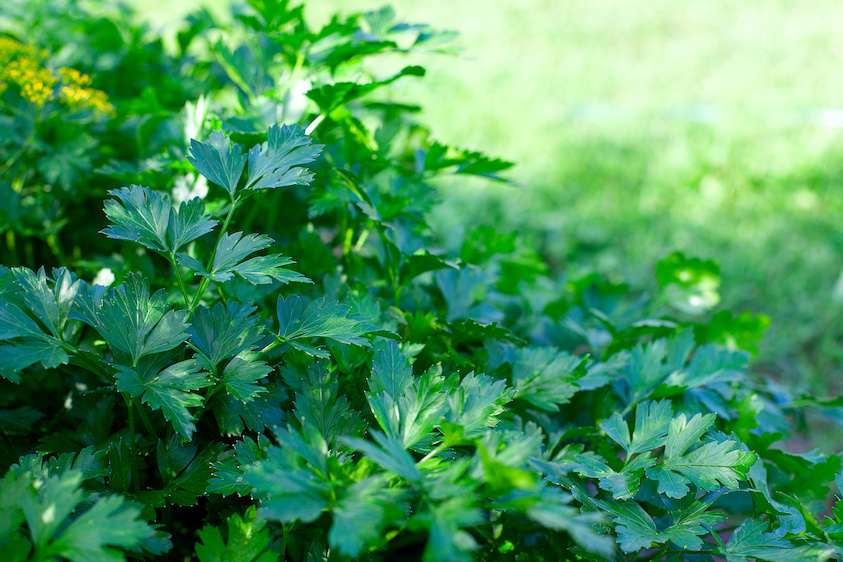
Parsley is documented in many old herbals and was revered for its medicinal uses as well as for sacred and superstitious reasons. Master herbalist Dioscorides, who published De Materia Medica in 70AD, named parsley ‘rock celery’ because the undomesticated plant grew amongst rocks. The genus name comes from the Greek petros, meaning rock, and selinon, meaning celery. It has a long history of use in cooking as well as being popular as a digestive tonic, diuretic and general healing plant.

Parsley root has a particular affinity for the urinary tract. Like its close relative celery seed it is said to increase the elimination of uric and other acid metabolites and so it has a particular application for gouty, arthritic conditions. In his book, The Essential Book of Herbal Medicine, Simon Mills says: “…the root of the plant was seen as one of the best cleansers of the ‘liver, spleene and belly’, used for jaundice and general epigastric disorders.”

In the 1930s it was mentioned in the classic book A Modern Herbal, the first comprehensive encyclopaedia of herbs to appear since the days of Culpeper (1600s). The author Maude Grieve said a strong decoction of the root is of great service in gravel, stone, congestion of the kidneys, dropsy (oedema) and jaundice. She said a fluid extract of the root acts more readily on the kidneys than that from other parts of the herb. Culpepper himself said “Galen commended it against falling sickness, and to provoke urine mightily; especially if the roots be boiled, and eaten like parsnips.” Parsley was also considered a useful galactagogue stimulating both the amount and flow of breastmilk.

References

Quave, C.L. Quave Research Group Website. Version 11.0, April 2015. Petroselinum crispum (Mill.), Apiaceae  Ellen Chiang  [Internet]; 2015 [accessed Aug 26 2022]. Available from etnobotanica.us/wp-content/uploads/2011/12/Plant-Monograph-Book-4.2013.pdf

Mills S. The Essential Book of Herbal Medicine. Penguin:London. 1991. p.473

Grieve M. A Modern Herbal. Penguin:London; 1980. p. 611-14

News Image
News Category
News Summary
Dive into how Parsley supports urinary health, aids in detoxification, and promotes digestive balance, with potential benefits for gout, jaundice, and fluid retention through its diuretic and cleansing properties.

Add new comment

Pomegranate

Submitted by admin on Tue, 08/09/2022 - 01:22

The ancient ruby red pomegranate has a deep association with the cultures of the Mediterranean region and Middle East where it is savoured as a delicacy and is an important dietary component, revered in symbolism and greatly appreciated for its medicinal properties. It has diverse cultural and religious significance and has been the subject of many historical and literary works. One of the best modern descriptions of pomegranate must be from Jill Dupleix, the Australian food writer, restaurant critic and cookbook author. In her monthly newsletter she says: “...it’s like adding sparkles to your food…Think of this gorgeous crimson fruit as a disco ball of goodness, glittering with antioxidants. For me, pomegranate triggers a rush to the head, with dancing visions of translucent jewels, exotic beauty and ancient cultures.” 

As Dupleix alluded to, pomegranate is a potent antioxidant. Pomegranate fruit peel is particularly rich in polyphenolic phytochemicals, including punicalagin, which has antioxidant capacity and is unrivalled and unique to pomegranate. It is most abundant in the fruit peel as opposed to the juicy seeds (arils) found within the fruit. The synergistic action of the pomegranate constituents appears to be superior to that of single constituents. In addition to being an antioxidant, pomegranate fruit peel also possesses anti-inflammatory, cardioprotective, neuroprotective, immunomodulatory, hypoglycaemic, antimicrobial, gastroprotective and anticarcinogenic actions.

The explosion of interest in the numerous therapeutic properties of pomegranate over the last decade has led to much research. A 2021 systematic review, assessing 23 articles about pomegranate and osteoarthritis in human (five studies), animal and in vitro models, found that pomegranate improved clinical symptoms as well as inflammatory and oxidative stress parameters in osteoarthritis patients.

References

Dupleix J. 10 THINGS TO DO WITH A POMEGRANATE. Substack c2022. (updated 2 June 2022; accessed 21 July 2022). Available from https://jilldupleix.substack.com/p/10-things-to-do-with-a-pomegranate

Stover E, Mercure EW. The Pomegranate: A New Look at the Fruit of Paradise. HortScience. 2007;42:5: 1088.

HEC pomegranate monograph

Malek Mahdavi A, Javadivala Z. Systematic review of the effects of pomegranate (Punica granatum) on osteoarthritis. Health Promot Perspect. 2021 Dec 19;11(4):411-425. doi: 10.34172/hpp.2021.51. PMID: 35079584; PMCID: PMC8767078.

News Image
News Category
News Summary
With its polyphenolic compound, discover how Pomegranate may support inflammation, heart health, and improve symptoms of osteoarthritis, alongside its antioxidant and neuroprotective properties.

Add new comment

Yarrow

Submitted by admin on Wed, 08/03/2022 - 01:29

Versatile yarrow has many gifts and it is used for a wide range of issues, including acute injuries as well as chronic health challenges. It is one of the heroes of the hedgerows, like its fellow weeds dandelion, nettle and plantain, making it a forager’s favourite. Yarrow’s vulnerary properties mean it is widely regarded as one of the best wound care plants available. Not only can it arrest bleeding but its antimicrobial effect can assist in preventing the formation of abscesses. As a urinary tract antiseptic it is indicated in infections such as cystitis.

Yarrow may be used as the central ingredient in any fever management program including respiratory infections. It is a diaphoretic (works best when taken hot as an infusion or decoction) that can open up the peripheral circulation, helping to reduce unpleasant symptoms and keeping the body temperature from rising too high. The recently published herbal medicine textbook, Functional Herbal Therapy (2021), says diaphoretics promote sweating and “help facilitate a fever as a ‘slow burn’ (usually in the range of…37.8-38.9°C), ensuring that this important physiological response is supported but kept at a level that is comfortable, restorative, and not harmful to the person.” Yarrow’s effect on peripheral circulation also makes it useful for haemorrhoids and varicose veins, as well as for lowering moderately high blood pressure. 

Traditional Native Americans used yarrow as a digestive bitter that stimulates digestive function and has the ability to relieve gas and bloating. It also has a strong tradition in gynaecological conditions, particularly painful and heavy menstrual bleeding, where it relieves inflammation and congestion in the uterus without excessive spasm. 

References

Hoffmann D. Medical Herbalism. Rochester: Healing Arts Press. 2003. p. 523

de la Forêt R. Yarrow with Guido Masé. Podcast Season 4. Episode 9. Herbs with Rosalee (updated 15 Jun 2022; accessed Jun 15 2022). Available from https://www.herbalremediesadvice.org/podcast45.html

Mills S. The Essential Book of Herbal Medicine. Penguin:London. 1991. p.401-2

Bone K. Functional Herbal Therapy. Aeon Books:London. 2021. p.342

Mills S. The Essential Book of Herbal Medicine. Penguin:London. 1991. p.401-2q

News Image
News Category
News Summary
Discover how yarrow’s versatility in treating wounds, urinary tract infections, and digestive issues, alongside its diaphoretic and circulatory benefits, supports fever management, menstrual health, and vascular conditions

Add new comment

Dandelion Leaf

Submitted by admin on Tue, 07/26/2022 - 01:13

The invasive and pervasive dandelion is often thought of as a pesky weed that can take over even the most immaculately manicured lawn. The irony is that dandelions are one of the best medicines to help the body clear out toxins and pollutants, including chemical herbicides and fungicides that many lawns are laden with to destroy it. This gives credence to a herbalists’ saying: “the cure grows near the cause.”

The highly nutritious dandelion plant is loaded with vitamins, minerals and fibre and all parts can be used medicinally, including the flower, leaves and roots. Dandelion leaf is one of the most powerful, yet gentle, diuretics making it useful for oedema, hypertension and water retention from any cause. It acts as a simple and safe diuretic stimulating and enhancing kidney function. Pharmaceutical diuretics can negatively affect blood potassium levels however dandelion leaf is a source of potassium so it is nutritive, rather than depleting, because it balances the sodium-potassium exchange that happens in the kidneys. In The Essential Book of Herbal Medicine author, Simon Mills, explains: “…in work on the leaves researchers have found a pronounced diuretic effect, improved by the fact that the potassium content is so high (3 times that usual for plant tissues) that the normal potassium loss of diuresis is more than replaced, leading to a net increase in potassium levels after the use of dandelion for diuresis.” 

Dandelion leaf is also used to stimulate the appetite and assist digestion. It is known as a bitter and salty spring tonic and is an excellent source of vitamins A, C and K. It also contains vitamin E, folate and small amounts of other B vitamins. Along with potassium, dandelion leaf also provides a substantial amount of several minerals including iron, calcium and magnesium. While more research is needed in humans to confirm some emerging health benefits, preclinical results suggest dandelion leaf may improve bone health and reduce cholesterol and triglyceride levels. Other studies suggest it may boost immune health through its antimicrobial, antiviral and antibacterial properties which may support the body’s ability to fight infection. Dandelion leaf may also be a useful skin care treatment. Animal and test-tube studies suggest that it may protect against skin damage caused by sun damage, aging and acne.

References

Maier K. Energetic Herbalism. Vermont: Chelsea Green Publishing. 2021. p. 243

Maier K. Energetic Herbalism. Vermont: Chelsea Green Publishing. 2021. p. 243-46

Mills S. The Essential Book of Herbal Medicine. Penguin:London. 1991. p.432

Link R, Hill A. 13 Emerging Health Benefits of Dandelion. Healthline Media. (updated Jan 4 2022; accessed Jun 14 2022).  Available from https://www.healthline.com/nutrition/dandelion-benefits#TOC_TITLE_HDR_17

News Image
News Category
News Summary
Discover how Dandelion Leaf supports detoxification, kidney health, digestion, immunity, and skin repair with its rich nutrient profile and gentle, potassium-sparing diuretic action.

Add new comment

Barberry

Submitted by admin on Mon, 07/18/2022 - 01:07

The roots of barberry are traditionally used for digestive complaints, liver and gallbladder ailments and disorders of the kidney and urinary tracts. Despite the fact that it is a bitter herb it is said to have a warming energy in Ayurveda (compared to other more cooling bitters) so it is useful for people who are deficient, such as in dry eczema and constipation.

Barberry has alterative and strong antimicrobial properties so it is useful for topical and internal infections – the ancient Egyptians used it with fennel seed (Foeniculum vulgare) to prevent plagues. Herbalist Richard Whelan says “a person who has not been able to pull themselves out of a chronic illness because they are encumbered, congested, bogged down by tiredness and toxicity, can be the ones who benefit the most from such a medicine as barberry, because it is a superb liver tonic.” He combines it with dandelion root (Taraxacum officinale) and burdock (Arctium lappa) for deep blood cleansing programs and with liquorice (Glycyrrhiza glabra) to cleanse and tone the bowel. For a strong liver program he uses it with celandine (Chelidonium majus) and a small amount of poke root (Phytolacca americana). Combining it with red clover (Trifolium pratense) and clivers (Galium aparine) is a good lymphatic system cleanser for problems such as swollen glands, eruptive skin or sore joints.

Barberry is an excellent substitute for golden seal (Hydrastis canadensis). Like golden seal barberry has significant amounts of the isoquinoline alkaloid berberine, which gives it a similar action, although it is lacking hydrastine. Golden seal has become overharvested, and somewhat endangered, and when it is available its price from sustainable sources steadily increases. These environmental issues, and the fact that it is expensive, mean that responsible practitioners have been searching for substitutes.

References

Van Wyk B, Wink M. Medicinal Plants of the World. Pretoria: Briza Publications; 2004. p. 66

Barberry. Plant Walks by Todd Caldecott Learning Herbs.com c2022. (updated 11 January 2016; accessed 3 Jun 2022).  Available from https://herbmentor.learningherbs.com/plantwalks/barberry-plant-walk/

Whelan R. Barberry. Herbs from A-Z. RJ Whelan Ltd c2011. (accessed 3 Jun 2022). Available from https://www.rjwhelan.co.nz/herbs%20A-Z/barberry.html

News Image
News Category
News Summary
Discover Barberry’s potent antimicrobial, liver-toning, and digestive benefits, offering a sustainable alternative to Golden Seal with traditional uses in detox, infection, and skin support.

Add new comment

Ribwort

Submitted by admin on Mon, 07/11/2022 - 01:24

A perennial herb, commonly found in lawns, roadsides, parks and playgrounds, ribwort has a reputation as a highly adaptable, and often overlooked, weed. This ubiquity makes it an important edible and medicinal plant in survival situations. It comes in handy for many children who know it as “nature’s band-aid”, the leaves of which they can bruise or make into a spit poultice to apply to insect bites and small grazes.

Taken internally, ribwort is ideal for coughs and mild bronchitis as it acts as a gentle expectorant while soothing inflamed membranes. It can also alleviate gut inflammation and its astringency makes it helpful in diarrhoea and haemorrhoids.

The researchers in a recent pilot study into the efficacy and safety of ribwort for the common cold remarked that during the COVID-19 pandemic the lack of early therapeutic approaches has caused the infection to infiltrate and the consequent collapse of healthcare structures worldwide. They said ribwort could be used for the early treatment of acute respiratory infections “that could avoid disease progression and solve the current problem.” There is a general maxim among herbalists that remedies lie not far from their causes (“the cure grows near the cause”) so perhaps it is not a coincidence that humble ribwort is an abundant plant, a quiet hero, and can provide an antidote to the discomfort of respiratory mucous membranes that is free for all.

References

Bonetto D. BEHOLD PLANTAIN, for there is more to tell. Big Fag Press. (updated 5 May 2020; accessed 3 Jun 2022). Available from https://www.diegobonetto.com/blog/behold-plantain-for-there-is-more-to-tell

Hoffmann D. Medical Herbalism. Rochester: Healing Arts Press. 2003. p. 574

Isabel OA, Getino Antonio M, Larrechea Laura O, Gomez Sandra R, Garay Jon Kepa G, Basterretxea Maite V, et al. A pilot study of efficacy and safety of Plantago lanceolata and Primula veris, in the treatment of the common cold. Arch Pharma Pract 2020;11(3):1-7.

News Image
News Category
News Summary
A versatile and easily accessible herb, explore how Ribwort supports respiratory health by soothing inflammation and acting as an expectorant for coughs. Its astringent properties also aid gut inflammation, diarrhoea, and haemorrhoids.

Add new comment