Herbal Highlight

FREE Traditional Herbal Preparations Booklet!

Submitted by admin on Tue, 03/31/2026 - 05:57

Traditionally herbs were taken not only as formulas, but woven into daily life as nourishing tonics, infused into food and drink, and applied topically with care. Liquid herbal extracts can bring us back to this rich tradition, offering flexible and creative ways to support wellbeing.

Our new Traditional Herbal Preparations booklet explores how to use your dispensary beyond the standard 5 mL, three-times-daily approach. It’s filled with practical methods, inspiration, and recipes to help you expand your clinical toolkit. A resource you’ll want to keep close and return to whenever you need a fresh spark of herbal creativity.

All direct orders of 6 or more 500mL liquid herbal extracts during the month of April will be sent with a booklet.

Don’t miss this opportunity to:

  • Improve compliance
  • Enhance patient engagement
  • Create value-added products
  • Differentiate your practice

Together, we can revive the wisdom of traditional herbal practice and inspire more creative, personalised healing.

Terms and Conditions

  1. This Promotion is run by the Herbal Extract Company of Australia (“Promoter”), ACN. 68 002 545 495, a company registered at 4 Saggart Field Road, Minto, New South Wales, 2566, Australia.
  2. The Promotion commences on 1 April 2026 until 30 April 2026, or until stocks last.
  3. Available for direct orders only.
  4. Purchase order must include x 6 500mL bottles of liquid herbal extracts, or more.
  5. Promotion excludes glycerol.
  6. One booklet per qualifying order.
News Image
News Category
News Summary
Discover how you can receive a free copy of our new Traditional Herbal Preparations booklet this April — a beautifully crafted resource you’ll want to keep close at hand and revisit whenever you need a fresh spark of herbal inspiration.

Add new comment

Buchu

Submitted by admin on Mon, 02/24/2025 - 17:26

Buchu is an evergreen, gland-dotted, fragrant shrub that grows up to two metres in height and is naturally distributed in the Western Cape Province of South Africa. The plants are extremely aromatic, filling the surrounding area with their scent. The aroma is reminiscent of blackcurrants, though some people detect a mixture of rosemary and peppermint. Buchu is said to be the only plant in the world that genetically produces diosphenol (also called buchu camphor), found in the plant’s essential oil and which is responsible for the characteristic blackcurrant scent and flavour of the plant. The generic name Agathosma means ‘good fragrance’ and, in manufacturing, the essential oil from buchu is used to give a fruit flavour (often blackcurrant) to foods. It is also used as a fragrance in perfumes and colognes. A buchu plant, if properly handled, has a lifespan of up to 100 years. In the wild, the plant is only harvested every second or third year to ensure that there is enough time to regrow and seed. Currently the Agricultural Research Council of South Africa, in collaboration with local farmers, has projects in place to monitor harvesting and ensure the protection of pure genetic strains of plants from which to propagate.

The modern use of buchu is as a urinary tract antiseptic and as an anti-inflammatory agent thereby reducing the inflammation seen in urinary tract infections and treating infections of the urethra and prostate. Traditionally buchu has been highly prized by the Khoisan (indigenous people of the western region of South Africa) for medicinal and spiritual purposes including for dance rituals, anointment, beautification and as perfume. It has remained one of the most popular herbal medicines in South Africa. The traditional use of buchu encompasses the treatment of kidney and urinary tract infections, the common cold, stomach ailments, rheumatism, gout and fever. Externally it was applied as an antiseptic wash to infected wounds and as a compress to relieve swelling, bruising and sprains.

When early Dutch settlers first came to the Cape in South Africa, they were struck by the pervasive and intoxicating smell of the buchu bush. Initially noted by the early settlers, knowledge and use of buchu spread to Europe and later to the United States. It is even said that a shipment of eight bales of buchu leaves were catalogued as on board the doomed Titanic. Buchu has been in compendiums since 1826 for its diuretic effects and use in the treatment of genitourinary tract infections, however, became obsolete in the 20th century due to the lack of scientific evidence for its efficacy and the advent of antibiotics and synthetic diuretics. Modern research includes mostly laboratory (in vitro) and animal (in vivo) studies which demonstrate a variety of effects including diuretic, antioxidant, anti-inflammatory, analgesic and antibacterial activity. These activities may be attributable to the irritant nature of the volatile oil and the flavonoid components. There is a lack of available human studies to justify the traditional indications.

References

Brendler T, Abdel-Tawab M. Buchu (Agathosma betulina and A. crenulata): Rightfully Forgotten or Underutilized? Front Pharmacol. 2022 Feb 7;13:813142. doi: 10.3389/fphar.2022.813142. PMID: 35197854; PMCID: PMC8859318.

ii Huisamen B (ed.) Medicinal Effects of Agathosma (Buchu) Extracts AOSIS, Cape Town 2019;xxi-xxi https://doi.org/10.4102/aosis.2019.BK84.00

iii Skosana B, Aboua G, du Plessis SS. Buchu – The Multi-Purpose Ethnomedicinally Important Specie and Its Benefits in the Reproductive System [Internet]. Antioxidant-Antidiabetic Agents and Human Health. InTech; 2014. Available from: http://dx.doi.org/10.5772/57233

iv Brendler T, Abdel-Tawab M. Buchu (Agathosma betulina and A. crenulata): Rightfully Forgotten or Underutilized? Front Pharmacol. 2022 Feb 7;13:813142. doi: 10.3389/fphar.2022.813142. PMID: 35197854; PMCID: PMC8859318.

v LiverTox: Clinical and Research Information on Drug-Induced Liver Injury [Internet]. Bethesda (MD): National Institute of Diabetes and Digestive and Kidney Diseases; 2012-. Buchu. [Updated 2023 Mar 3]. Available from: https://www.ncbi.nlm.nih.gov/books/NBK589899/

vi Brendler T, Abdel-Tawab M. Buchu (Agathosma betulina and A. crenulata): Rightfully Forgotten or Underutilized? Front Pharmacol. 2022 Feb 7;13:813142. doi: 10.3389/fphar.2022.813142. PMID: 35197854; PMCID: PMC8859318.

News Image
News Category
News Summary
Discover Buchu, an evergreen, fragrant shrub that naturally grows in the Western Cape Province of South Africa, and its use as a urinary tract antiseptic and anti-inflammatory agent.

Add new comment

Green Tea

Submitted by admin on Wed, 02/05/2025 - 17:22

Originating in China, and infused there from possibly the first century BC, tea is the second most consumed drink in the world after water. It is consumed by more than two-thirds of the world's population. Among all the teas consumed in the world green tea, which is loaded with antioxidants, is the most studied for its health benefits. Accumulating evidence from cellular, animal, clinical and epidemiological studies have linked green tea consumption to various health benefits such as cancer prevention, improving chronic inflammation and degenerative diseases like cardiovascular and liver diseases, diabetes, neurodegenerative diseases, ultraviolet B (UVB)-induced skin aging, arthritis and bone fractures. Although some of these health benefits have not been consistently achieved by intervention trials, positive results from some clinical trials have provided direct evidence supporting the protective effect of green tea against, at least, human cancer. i

A new Japanese study, published on January 7, 2025, provides further evidence that green tea may help fight cognitive decline and therefore reduce dementia risk. In this study 8766 seniors who regularly drank green tea (one cup of tea was equivalent to approximately 200 mL) had fewer of the brain lesions that are characteristic of dementia than those who did not drink it. Interestingly this cross-sectional study included coffee consumption and, while it found a significant association between lower cerebral white matter lesions and higher green tea consumption, coffee did not show similar benefits. This is possibly because green tea’s unique composition, such as catechins, might be more effective against white matter lesions than coffee’s compounds, which are mainly chlorogenic acid and caffeine. The researchers said “green tea consumption may contribute to white matter lesion reduction by improving blood pressure. Moreover, green tea contains less caffeine than coffee, which negatively affects blood pressure, thus suggesting that green tea may have a more beneficial impact on white matter lesions.” The study had some limitations including that there was no information on how the green tea was brewed, leading to potential variations in the content of bioactive substances. ii

Two other human clinical studies from last year investigated the use of green tea topically. One study, from August 2024, showed that green tea extract ointment has a small effect on the healing process and pain reduction of episiotomy wounds. iii In another study, from March 2024, the use of 3% green tea extract cream improved the appearance of stretch marks on the skin.

References

Dou QP. Tea in Health and Disease. Nutrients. 2019 Apr 25;11(4):929. doi:

10.3390/nu11040929. PMID: 31027187; PMCID: PMC6520965.

ii Shibata S, Noguchi-Shinohara M, Shima A, Ozaki T, Usui Y, Taki Y, Uchida K,

Honda T, Hata J, Ohara T, Mikami T, Maeda T, Mimura M, Nakashima K, Iga JI,

Takebayashi M, Ninomiya T, Ono K; Japan Prospective Studies Collaboration for

Aging and Dementia (JPSC-AD) study group. Green tea consumption and cerebral

white matter lesions in community-dwelling older adults without dementia. NPJ Sci Food. 2025 Jan 7;9(1):2. doi: 10.1038/s41538-024-00364-w. PMID: 39774601; PMCID: PMC11707279. iii Sayahi M, Jahangirimehr A, Hatami Manesh Z, Mojab F, Nikbina M. The effect of Camellia sinensis ointment on perineal pain and episiotomy wound healing in primiparous women: A triple-blind randomized clinical trial. PLoS One. 2024 Aug 1;19(8):e0305048. doi: 10.1371/journal.pone.0305048. PMID: 39088486; PMCID: PMC11293732. iv Ayuningsih S, Jusuf NK, Putra IB. Efficacy of green tea ( Camellia sinensis Linn) 3% extract cream on improvement of striae distensae. F1000Res. 2024 Mar 21;13:208. doi: 10.12688/f1000research.142199.1. PMID: 38854441; PMCID: PMC11157189.

News Image
News Category
News Summary
Loaded with antioxidants, Green Tea, is the most studied tea for its health benefits. A new Japanese study provides further evidence that green tea may help fight cognitive decline and therefore reduce dementia risk.

Add new comment

Cat’s Claw

Submitted by admin on Tue, 01/28/2025 - 09:18

Cat’s claw is a thick woody vine native to Peru, the Amazon rain forest and other tropical areas of South and Central America. Named for its hooked thorns, which resemble the claws of a cat, it can grow up to 98 feet (30 metres) tall. Cat’s claw has been used in traditional and cultural practices in South America for centuries. Indigenous to Peru, the Ashaninka Indians classified it as a 'powerful plant' and used it to restore health. The Ashaninka’s have used the root bark, and the stem bark as well, for generations. To the priests of this tribe cat’s claw is a sacred plant used to eliminate disturbance in the communication between body and spirit. 

Traditionally cat’s claw has been used in Peru in the form of aqueous or alcoholic infusions as an anti-inflammatory agent for arthritis, gastritis and other disturbances of the gastro-intestinal system, treatment of cancer and for different skin disorders. It is also used for diabetes, asthma, diseases of the urinary tract, wounds, premenstrual syndrome, menstrual irregularity and to recover from childbirth, as a tonic to ward off disease and as an abortifacient. 

A randomised clinical trial assessing the effectiveness of cat’s claw in reducing the adverse effects of chemotherapy concluded that it is an effective adjuvant treatment for breast cancer. Breast cancer is the most frequent tumour affecting women worldwide. Some of the recommended treatments involve chemotherapy which has toxic effects including leukopenia and neutropenia (similar blood conditions that both involve low white blood cell counts). Forty patients with Invasive Ductal Carcinoma-Stage II, who underwent a treatment regimen known as FAC (Fluorouracil, Doxorubicin, Cyclophosphamide), were divided into two groups: the cat’s claw group received chemotherapy plus 300mg of dry cat’s claw extract per day and the cancer group that only received chemotherapy and served as the control experiment. Blood samples were collected before each one of the six chemotherapy cycles and blood counts, immunological parameters, antioxidant enzymes and oxidative stress were analysed. Cat’s claw reduced the neutropenia (not enough neutrophils - a type of white blood cell that play a key role in the body's immune system) caused by chemotherapy and was also able to restore cellular DNA damage. Cat’s claw stimulates the immune system meaning increased resistance to immunosuppression which can be caused by chemotherapy, stress and malnutrition. Unfortunately the cytotoxic action of chemotherapy is not directed just at cancer cells, and so healthy cells are also damaged. This study demonstrates that cat’s claw can potentially strengthen the body’s innate defences and help improve the quality of life for patients overall.

References

Allen L, Buckner A, Buckner CA, Cano P, Lafrenie RM. Uncaria tomentosa (Willd. ex

Schult.) DC (Rubiaceae) Sensitizes THP-1 Cells to Radiation-induced Cell Death.

Pharmacognosy Res. 2017 Jul-Sep;9(3):221-229. doi: 10.4103/pr.pr_83_16.

Farias I, do Carmo Araújo M, Zimmermann ES, Dalmora SL, Benedetti AL, Alvarez-Silva M, et al. Uncaria tomentosa stimulates the proliferation of myeloid progenitor cells. J Ethnopharmacol. 2011 Sep 1;137(1):856-63. doi: 10.1016/j.jep.2011.07.011. Epub 2011 Jul 8.

Keplinger K, Laus G, Wurm M, Dierich MP, Teppner H. Uncaria tomentosa (Willd.) DC.--ethnomedicinal use and new pharmacological, toxicological and botanical results. J Ethnopharmacol. 1999 Jan;64(1):23-34.

Santos Araújo Mdo C, Farias IL, Gutierres J, Dalmora SL, Flores N, Farias J, de Cruz I, Chiesa J, Morsch VM, Chitolina Schetinger MR. Uncaria tomentosa-Adjuvant Treatment for Breast Cancer: Clinical Trial. Evid Based Complement Alternat Med. 2012;2012:676984. doi: 10.1155/2012/676984. Epub 2012 Jun 28. PMID: 22811748; PMCID: PMC3395261.

News Image
News Category
News Summary
Journey deep into the Amazon with cat’s claw, a revered vine used for centuries by Indigenous healers to restore balance and vitality. Backed by tradition and emerging science, this powerful plant shows promise in supporting immune resilience and easing the toll of modern treatments.

Add new comment

A Year of Celebration – 140 Years of History

Submitted by admin on Thu, 01/16/2025 - 09:21

Happy New Year and a warm welcome to 2025. We have some exciting news to share about a milestone in our journey. This year we are proudly celebrating 140 years of heritage, tradition and dedication to the healing power of nature. For more than a century, over six consecutive generations, the Herbal Extract Company has grown with demand by embracing science while staying true to traditional herbal medicine and family values. From our humble beginnings to becoming a leader in the herbal medicine industry in Australia our story is one of passion, perseverance and unwavering belief in pure plant power.


We may be called the Herbal Extract Company of Australia but we started in Africa in the late 1880s. The Shume family were originally English but in the late 19th Century they emigrated by ship seeking better health. Our company founder Lyndsay Shume’s family settled in Toowoomba in Australia and his great uncle William Shume went to Durban in South Africa. It was there on a farm in 1885 that William’s wife, Henrietta Shume, used blood purifying wild plants foraged from the veld to treat sick animals. When Henrietta found growths in her breast, and operations failed to manage them, she turned to the plants and the growths disappeared. Henrietta went on to manufacture and supply this herbal remedy to chemist shops and subsequently formed the South African Herbal Association. When Lyndsay’s grandfather Henry Shume received letters, and a small herbal remedy book, written by Henrietta he was inspired to pursue herbalism in Australia.

Henry’s son, Archie Shume, carried on the legacy by gathering plants from the Australian bush to treat his own patients. In 1938, just before World War II, Archie's son Lyndsay was born. These were the days when you could not just go and buy herbs from a shop so, as they say, necessity is the mother of invention and Lyndsay began his practical herbal apprenticeship at the age of five picking herbs with his father in the mornings to make herbal medicines. In the 1960s Lyndsay married his wife Helen (nee Smith) and studied by correspondence with the English college National Institute of Medicinal Herbalists (NIMH). Archie died unexpectedly in 1975 and Lyndsay, who was 36 at the time, became overwhelmed with trying to make the herbs for all the hundreds of patients. Lyndsay realised that if he was having difficulties keeping his dispensary full with supplies then his peers were most likely having the same issues. The seed was planted that it would be beneficial to have good quality herbs commercially available for all herbalists. So when the owner of a herbal manufacturing and wholesale business retired in 1988 Lyndsay took the opportunity to realise his dream and bought the business in Sydney. In 1993 we were registered with the Therapeutic Goods Administration and while we had always done sensory testing right from the beginning things then became more technical.

Lyndsay is in his 80s now and the day to day running of the business is with his family including his daughters, Annette and Lyndall, and grandson Matt. Lyndsay has stayed in the herbal business all his life and when we asked him why, he said it’s because he sees people constantly being healed with herbs. From Henrietta's initial discovery to Lyndsay's vision for a reliable source of high-quality herbs, the Herbal Extract Company has grown into a leading provider of liquid herbal medicine.

As we reflect on our rich history we are incredibly grateful for your continued trust and partnership and for sharing our passion for natural health. You have been a vital part of our success and we are more committed than ever to providing you with the highest quality, sustainable and efficacious liquid herbal extracts.

Here's to another year of growth, healing and commitment to wellbeing. We look forward to continuing this journey with you in 2025 and beyond.

News Image
News Category
News Summary
Celebrate 140 years of herbal wisdom with us as we honour a legacy rooted in nature, nurtured by family, and driven by a passion for healing. From wild remedies on the South African veld to pioneering liquid herbal extracts in Australia, our journey is a testament to the enduring power of plants.

Add new comment

Dandelion Root – Liver Support

Submitted by admin on Tue, 01/14/2025 - 09:14

New Years’ resolutions have been made and detox season has officially begun for those who ate, drank and were merry. So now it’s time to wake up and smell the dandelion root coffee. The humble dandelion, the bane of lawn owners all over the world, is the herbal ally for people who have been overindulging. Dandelion is highly nutritive, full of minerals and health promoting properties. Through its bitter principles dandelion root stimulates the production of bile and liver function. In the words of New Zealand herbalist Richard Whelan “the liver takes an enormous amount of the brunt of the stress of such lifestyles and, whilst of course they still have to address where they are doing harm, dandelion does a tremendous amount to help knit them back together in the meanwhile.

While occasional detox diets are helpful for a reboot, detoxification is something that is needed to support the body every single day, not just a couple of times each year. The body is equipped with detoxification systems that have been evolving and improving over millions of years and most of these are in the liver. The liver carries over 500 functions in the body and is considered the “master filter,” responsible for processing and filtering the blood in addition to helping detoxify chemicals from the body. When living in an environment where air quality, pollutants and water quality are more of a daily challenge, it is vital to ensure that the liver is functioning optimally. 

Adding a simple, daily liver-supportive herbal formula is an easy way to help promote healthy liver function amidst all of the additional challenges it faces when a healthy lifestyle has slipped by the wayside during the silly season. Herbalists celebrate dandelion as a supreme liver tonic as it excels at clearing excess heat (inflammation), clearing stagnation (congestion) and supporting detoxification of metabolic wastes. A simple alterative tonic recommended by herbalist, midwife and medical doctor Aviva Room combines one quarter of a teaspoon of dandelion root liquid extract in equal parts with burdock (Arctium lappa), globe artichoke (Cynara scolymus), sarsaparilla (Smilax spp.) and ginger (Zingiber officinale). Add these to a glass of sparkling water with lemon and drink 1-2 cups daily for a week, or as a digestive aid after meals.

References

Whelan R. Dandelion. c2011 R.J.Whelan Ltd (accessed 25 Nov 2024). Available

from https://rjwhelan.co.nz/herbs%20A-Z/dandelion.html

Romm A. Top Ten Foods and Herbs to Support Natural Detoxification. (accessed

26 Nov 2024). Available from https://avivaromm.com/detox-every-day/

Love Your Liver Herbal Tincture. The Herbal Academy (updated 11 May

2021;accessed 26 Nov 2024). Available from

https://theherbalacademy.com/blog/liver-tincture/

News Image
News Category
News Summary
Embrace the post-holiday reset with this vibrant herbal tonic featuring dandelion root and its detoxifying allies—crafted to gently revive liver function and restore balance after seasonal indulgence

Add new comment

Clove

Submitted by admin on Mon, 12/16/2024 - 16:43

Cloves are intrinsically linked with Christmas as the heady spice is one of the key ingredients in mulled wine, festive hams and fragrant gingerbread. The powerful clove aroma is particularly associated with the Christmas tradition of making pomanders when oranges are studded with clove buds to make fragrance balls which scent houses and serve as festive decorations. The word clove actually comes from the Latin word clavus, meaning nail, since the shaft and head of the clove bud resembles a nail. 

Old fashioned clove pomanders are perfect for the holiday season. Gathered in bowls around the home, hung in windows with a scarlet ribbon to catch the warmth of the sun, or displayed on the tree, this lovely herbal craft offers a great way to relax and unwind while spending time together with family and friends, or enjoy a little respite time alone amidst the busyness of the season. They are a lovely fragrant gift to share with others to infuse the home with cheer. Cloves are also a key ingredient in the world-famous Worcestershire Sauce and a clove-studded onion can be added to warm milk when making a basic bread sauce. A teaspoon of ground cloves can be mixed into gingerbread dough for an extra spicy kick. 

One of the earliest known spices in trade, cloves are the dried unopened floral buds of an evergreen tree. The quest for cloves is one of those events that have shaped world history. They spurred expeditions and wars, created monopolies, generated fantastic wealth and created great suffering. In medieval Europe, when all spices were scarce, expensive cloves were seen as a sign of indulgence, a show of wealth and a rare prize reserved for special occasions like Christmas. Cloves were considered an internal warming herb which helped dispel cold. They were used as a tonic and stimulant, prescribed as a digestive aid and were a familiar powerful antiseptic. This led to them being used as a breath freshener by dignitaries at the Chinese imperial court during the Han dynasty (200BC). They are still used in toothpastes and gargles today and have been trusted by generations as a first aid remedy for toothache, and to treat inflammation in the mucous membranes of the mouth and throat. They are also given for weak digestion to relieve nausea, vomiting and flatulence. 

References

Hemphill I. There’s More to Cloves than Christmas. Extract from Spice Notes.

c2024 Herbie’s Spices (updated 7 Nov 2024;accessed 25 Nov 2024). Available from

https://www.herbies.com.au/general/theres-more-to-cloves-than-

christmas/?srsltid=AfmBOorrMI_AjIV76cTRxfXgNx_CK8TfAqJdvS7ZliFfaB3PCl_sk

CaB

Justis A. Old-Fashioned Clove Pomanders. The Herbal Academy Holiday Maker’s

Magazine. theherbalacademy.com

Singletary K. Clove. Nutrition Today: July/August 2014;49(4):207-224 doi:

10.1097/NT.0000000000000036

News Image
News Category
News Summary
From mulled wine and gingerbread to pomanders hanging in sunlit windows, cloves have long been a symbol of holiday warmth and tradition. Discover how cloves have journeyed from ancient courts to modern kitchens—and why they remain a cherished herbal ally for digestion, immunity, and seasonal cheer.

Add new comment

Maritime Pine

Submitted by admin on Wed, 12/04/2024 - 16:44

The Christmas tree is the enduring iconic symbol of Christmas. Out of all the Christmas traditions, decorating the Christmas tree with candy canes, tinsel, collected ornaments, baubles and topping it off with a star is certainly up there for some as one of their favourite childhood memories. Adorned with lights, Christmas trees promote hope and offer brightness. There's nothing like the uplifting scent of a real Christmas tree to get you feeling festive. So in the spirit of the season we bring you some of the medicinal attributes of maritime pine.

Maritime pine is famed for its ability to fight inflammation, stimulate immune system action, ease swelling and exert remarkable antioxidant effects. The most extensively studied use of maritime pine is to treat cardiovascular health, especially improvement of endothelial (the inner lining of blood vessels) function and chronic venous insufficiency, a condition defined by poor drainage of blood from veins resulting in swelling or skin problems. Other indications include hypertension, cholesterol reduction, fluid retention, diabetes, diabetic retinopathy, gingival bleeding/plaque, venous leg ulcers. Maritime pine is also included in prescriptions for the common cold, influenza, asthma, bronchitis, sinusitis, upper respiratory catarrh, rheumatism and arthritis. 

A recent study involving 20 children (aged between 8-12) with Attention Deficit Hyperactivity Disorder (ADHD) found that supplementing with maritime pine bark extract significantly decreased inattention, impulsivity and hyperactivity. The randomised, double-blind, crossover, placebo-controlled study included two experimental units (four weeks with maritime pine supplementation and four weeks with placebo supplementation) separated by a two-week washout period. ADHD participants were supplemented with 25mg or 50mg of maritime pine bark extract. The aetiology of ADHD is complicated and includes genetic factors, the abnormal metabolism of neurotransmitters, heavy metal toxicity, food sensitivities, nutritional problems among other risk factors. Recent research shows that oxidative stress may play an important role in the pathology of ADHD and antioxidant supplements have been reported to assist in the treatment of ADHD. Maritime pine bark is abundant in procyanidins, referred to as oligomeric proanthocyanidin complexes (OPCs), a rich source of natural polyphenols. 

References

HEC monograph

Hsu CD, Hsieh LH, Chen YL, Lin IC, Chen YR, Chen CC, Shirakawa H, Yang SC.

Complementary effects of pine bark extract supplementation on inattention,

impulsivity, and antioxidative status in children with attention-deficit hyperactivity

disorder: A double-blinded randomized placebo-controlled cross-over study.

Phytother Res. 2021 Jun;35(6):3226-3235. doi: 10.1002/ptr.7036. Epub 2021 Feb 8.

PMID: 33559134.

News Image
News Category
News Summary
The Christmas tree's botanical cousin, maritime pine, is a powerhouse of medicinal benefits. Discover the many applications of maritime pine bark—from cardiovascular support and immune resilience to its promising role in ADHD research.

Add new comment

Olive Leaves

Submitted by admin on Mon, 11/25/2024 - 16:40

The olive tree is one of the oldest cultivated trees on earth. The cultivation of olive started in ancient times and it dates back more than 7000 years. According to archaeological records, olives were commercially cultivated by the Minoans in Crete as far back as 3000 BC. It is the first botanical noted in the Bible, where it is described in Ezekiel 47:12, “The fruit thereof shall be for meat, and the leaf thereof for medicine.” The dove, released from the Ark by Noah in the book of Genesis, returned with an olive branch, thus permanently linking both the olive branch and the dove with peace. The olive branch has transcended its biblical origins to become an international symbol of peace and reconciliation. 

Throughout history there are multiple references for use of olive leaves in the treatment of fevers including intermittent fever, typhoid fever and bilious fever. The leaves were also traditionally used for the treatment of malaria. The first mention of olive leaves’ medicinal use in modern times was in 1843 when Daniel Hanbury of England reported a bitter substance from olive leaf tea was the agent responsible for healing malaria and associated fevers. These findings were reported in 1854 in the Pharmaceutical Journal, along with dosing instructions and a recipe for making the curative tea. In 1898, a strong decoction of olive leaves was cited in King’s American Dispensatory as helpful in regulating body temperature. 

In the last century, extracts of olive leaves have been studied in both animals and humans and have been found to exhibit strong antimicrobial properties against viruses, bacteria, yeast and parasites. Olive leaves also have numerous cardiovascular benefits, some hypoglycaemic activity, and possesses antioxidant activity and can be used for heart health to combat high blood pressure, type 2 diabetes and atherosclerosis. Research suggests the antioxidant action could help support the immune system and general wellbeing by providing protection and repair from oxidative damage to the liver, gastrointestinal tract and nervous system. 

References

Bynum H and W. Remarkable Plants that Shaped our World. Thames and

Hudson:London. 2014. p50

Antoniou C, Hull J. The Anti-cancer Effect of Olea europaea L. Products: a Review.

Curr Nutr Rep. 2021 Mar;10(1):99-124. doi: 10.1007/s13668-021-00350-8. Epub

2021 Mar 8. PMID: 33683579; PMCID: PMC7979598.

Newton J. The Roots of Civilisation. Murdoch Books:Millers Point. 2009. p226-7

de Oliveira NM, Machado J, Chéu MH, Lopes L, Barroso MF, Silva A, Sousa S,

Domingues VF, Grosso C. Potential Therapeutic Properties of Olea europaea

Leaves from Selected Cultivars Based on Their Mineral and Organic Profiles.

Pharmaceuticals. 2024; 17(3):274. https://doi.org/10.3390/ph17030274

Somerville V, Moore R, Braakhuis A. The Effect of Olive Leaf Extract on Upper Respiratory Illness in High School Athletes: A Randomised Control Trial. Nutrients. 2019 Feb 9;11(2):358. doi: 10.3390/nu11020358. PMID: 30744092; PMCID: PMC6412187. vi Hechtman L. Advanced Clinical Naturopathic Medicine. Elsevier:Chatswood. 2020. p716

News Image
News Category
News Summary
Discover olive leaf, an ancient botanical with a rich history and powerful healing potential. Recent research highlights their role in supporting immune health, managing blood pressure, and protecting against oxidative stress.

Add new comment

Chamomile

Submitted by admin on Mon, 11/18/2024 - 16:37

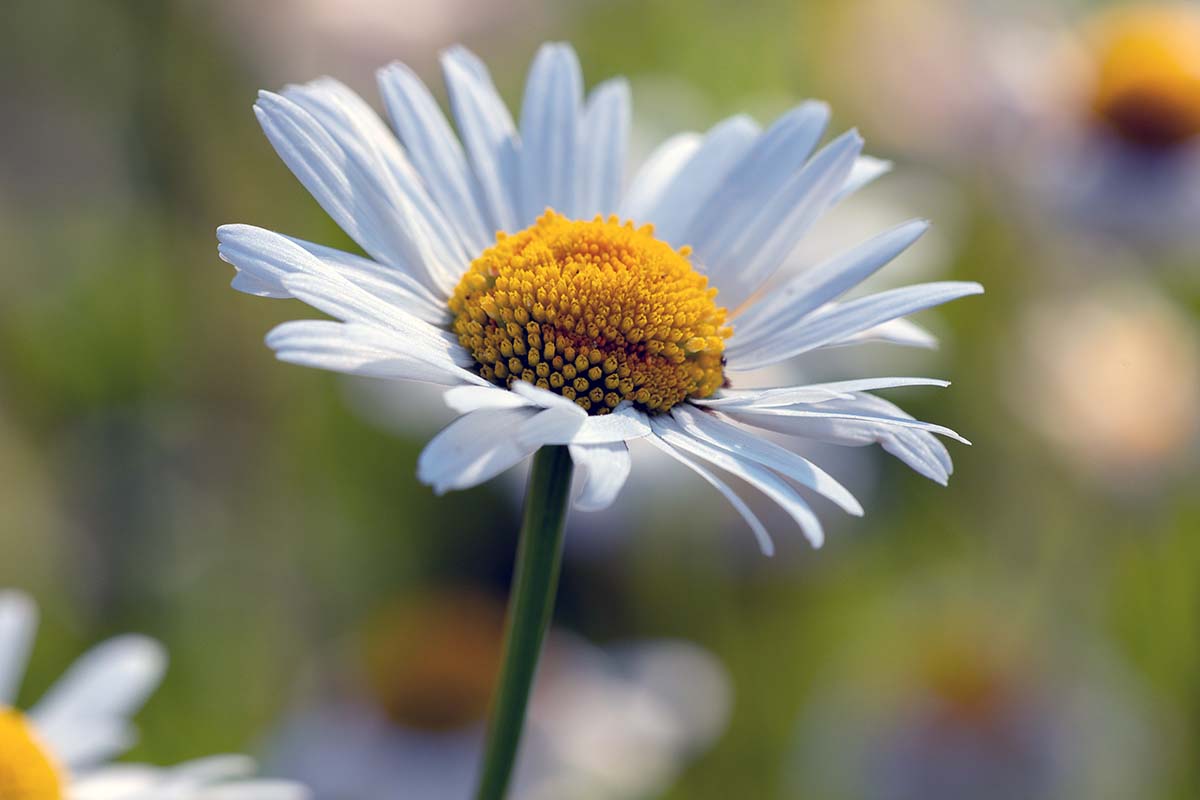
Chamomile may be small in stature but it is has a huge presence in most herbalist's dispensaries. This familiar plant, with an unmistakable scent and flavour, has a gentle, yet powerful, nature which means it works superbly for both adults and children alike. Well known for its soothing effects, and ability to help people relax and unwind after a long day, chamomile quietens the mind and promotes calm with its nervine sedative qualities. i

As well as being a remarkable relaxant for the nervous system chamomile is also a carminative for the digestion so it shines for digestive problems due to anxiety. It is a mild relaxing nervine with antispasmodic, anti-inflammatory and bitter activity. In the digestive tract chamomile relieves painful digestive spasms and inflammatory digestive complaints such as Crohn’s disease, colitis, irritable bowel disease and irritable bowel syndrome. A 2024 systematic review of clinical trials concluded that oral consumption of chamomile was effective in reducing anxiety in most of the available trials. The researchers said this effect is not limited to diagnosed patients with anxiety disorders and can help relieve anxiety symptoms in different groups for example, the anxiety that women experience during their menstrual cycle, postmenopausal women who show the anxiety symptoms, people suffering from insomnia and anxiety, and patients in the recovery phase of their psychological disorder. ii

There is some evidence to suggest that chamomile may be helpful in managing hyperactive traits of Attention Deficit Hyperactivity Disorder (ADHD). A small study found that children with ADHD who received chamomile extract for four weeks had improvements in hyperactivity and “conduct problems”, compared to a control group. However, the study was small and more research is needed to confirm these findings. iii

References

i Popham S. Chamomile: Beyond the Teabag. The School of Evolutionary

Herbalism. c2014-2024 Available from

https://www.evolutionaryherbalism.com/2022/08/24/chamomile-beyond-the-

teabag/

ii Saadatmand S, Zohroudi F, Tangestani H. The Effect of Oral Chamomile on

Anxiety: A Systematic Review of Clinical Trials. Clin Nutr Res. 2024 Apr

23;13(2):139-147. doi: 10.7762/cnr.2024.13.2.139. PMID: 38784853; PMCID:

PMC11109927.

iii Niederhofer H. Observational study: Matricaria chamomilla may improve some

symptoms of attention-deficit hyperactivity disorder. Phytomedicine. 2009

Apr;16(4):284-6. doi: 10.1016/j.phymed.2008.10.006. Epub 2008 Dec 20. PMID:

19097772.

News Image
News Category
News Summary
Uncover chamomile—a gentle yet powerful herb cherished for its soothing effects on both the mind and body. Recent research highlights its potential to ease anxiety and support children with ADHD, making this familiar flower a valuable ally in modern herbal care.

Add new comment