
The Greener Pastures of Cottagecore
If you’ve recently noticed social media images of nostalgic countryside scenes, with women in linen pinafores or floral microprints walking whimsically among gardens and appreciating simple pleasures, such as having a bath, then you have witnessed the increasingly popular Cottagecore movement. Cottagecore is an internet lifestyle aesthetic, a visual art style romanticising rural life. It values traditional skills such as crafts, baking, preserving the natural world, caring for others and growing herbs. The overall mood of Cottagecore is one of homely warmth, comfort and cosiness while the underlying message is slow living. The COVID-19 pandemic led to the rise of Cottagecore activities which offered an escape from the drudgery and anxiety caused by long periods of lockdown. As a concept it embraces a simpler existence that is more harmonious with nature. While it may be a reaction to capitalism, and increasing time spent in front of a screen, it also relates to ongoing interests in wellness and sustainability.
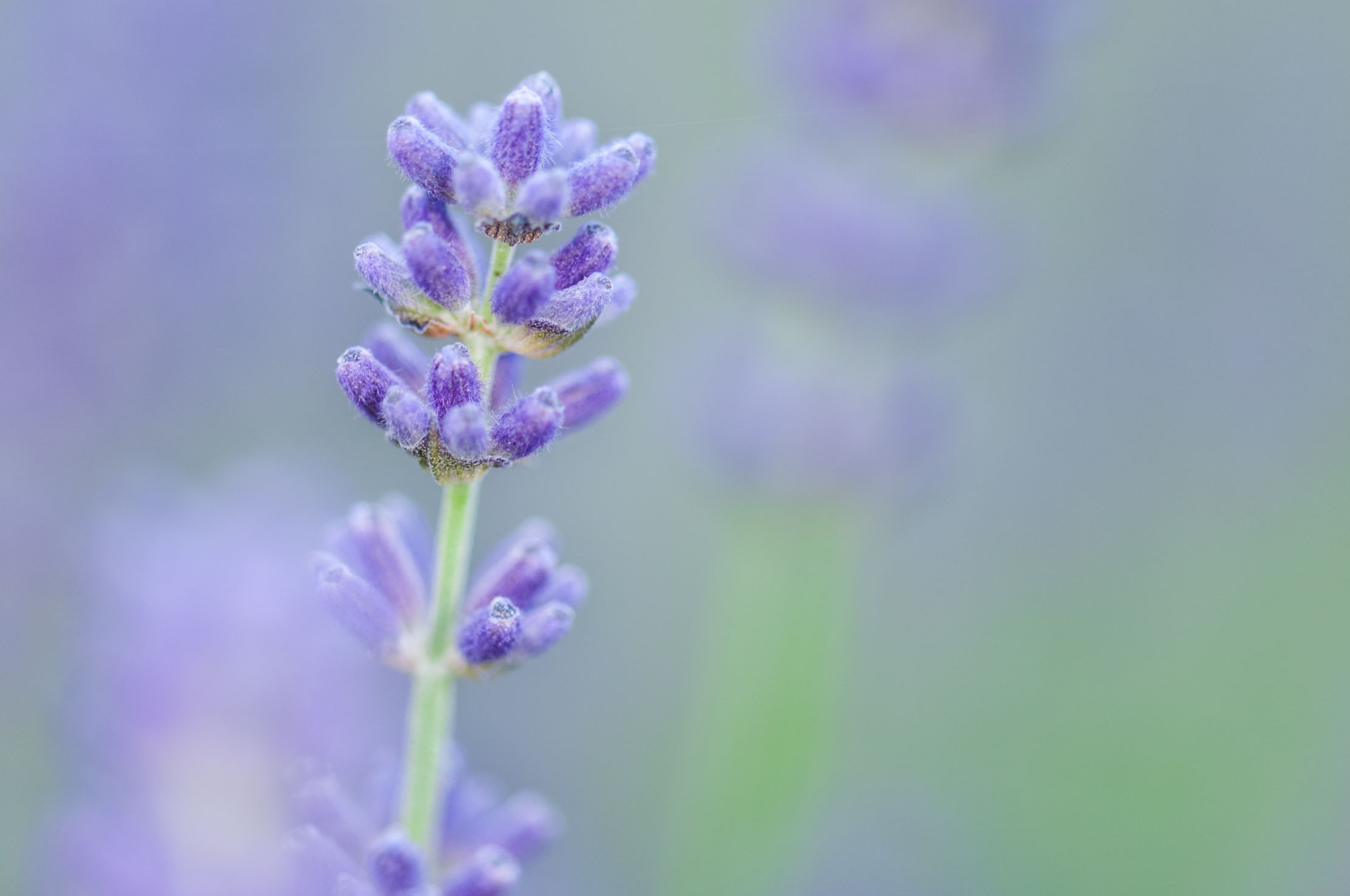
Thus, many of the principles of Cottagecore align with naturopathic philosophy. Countless herbalists and naturopaths have probably been associating themselves with the Cottagecore aesthetic for decades but now it has a name. Mindfulness, gratitude journaling, baking sourdough, shopping seasonally, foraging and forest bathing are all classic Cottagecore themes. This aesthetic, and its focus on self-care, could be especially helpful for people with chronic illness and to soothe over-sensitised bodies. Herbs have a longstanding history in cottage life for practical and medicinal uses. Cottagecore promotes many ways to include herbal remedies into the daily routine including using liquid herbal extracts, essential oils and hanging harvested garden herbs upside down to dry indoors for later use as herbal teas. Cottagecore favourites include lavender (Lavandula angustifolia), chamomile (Matricaria chamomilla) and echinacea (Echinacea spp.).
Hashtag Cottagecore may be trending on the internet, and ironically idealising a fairy-tale way of life away from the screen, however that doesn’t demean the importance of traditional herbal medicine. The rising popularity of Cottagecore subculture, and its yearning for a bygone era, promotes traditional herbal medicine an as antidote to the fast-paced, unsustainable way of living that prevails. Like Cottagecore fans our ancestors also cultivated a deep-rooted relationship with plants. They harvested plants in ceremony, made herbal medicines with intention, and passed along traditional plant knowledge to help future generations maintain wellness. Practitioners today carry on this legacy, bringing the magic of Cottagecore into the daily lives of countless people.
References
Regev K. What Exactly Is Cottagecore and How Did It Get So Popular? Architectural Digest Conde Naste c2023. (updated 21 Oct 2020; accessed 23 Mar 2023). Available from https://www.architecturaldigest.com/story/what-exactly-is-cottagecore
Jephcote E. Gentleness and Gentility in Cottagecore and Cranford. Nicolaus Copernicus University Poland. Mar 2023.
Jagtenberg, T, Evans, S. Global herbal medicine: a critique. Journal of Alternative and Complementary Medicine. 2003;9(2):321-329.
McClure L, Flower A, Price S. Scoping the Evidence for the Effectiveness of Herbal Medicines
A Selective Review on behalf of the European Herbal and Traditional Medicine Practitioners Association (EHTPA) May 2016.
News Image
News Category
News Summary
Unveil how the Cottagecore movement reconnects modern life with traditional herbalism, embracing slow living, self-care, and plant-based wellness through rituals like foraging, herbal teas, and seasonal remedies.
Nigella and Long COVID
Like many other viruses severe acute respiratory syndrome coronavirus 2 (SARS-CoV-2) infection can cause ongoing symptoms, now known colloquially as long COVID. Long COVID refers to the long-term health and cognitive effects from a SARS-CoV-2 infection, the virus that causes coronavirus disease 2019 (COVID-19). The list of symptoms range in the hundreds, but the most commonly reported are fatigue, shortness of breath and cognitive dysfunction.
A House of Representatives inquiry into long COVID and repeated COVID Infections was informed that Australia needs to acknowledge the significant long COVID problem it is facing. The country’s leading experts addressed the issues that are being experienced during a roundtable discussion at Parliament House in Canberra on 17 February 2023. Professor Brendan Crabb AC, Burnet Institute Director and CEO, told the public hearing that “the likelihood of half a million Australians or so with long COVID now needs to be acknowledged.” He described long Covid as a “very serious issue now”.
Academic medical journals suggest that long COVID patients require an integrative health approach, one that combines traditional medical management, non-pharmacological approaches and behaviour and lifestyle changes. This makes long COVID well suited to naturopathic and herbal practice. In relation to this a review article, published in February this year, found that patients experiencing long COVID may use nigella (Nigella sativa) as adjunctive therapy, in combination with symptomatic treatment and supportive care, to prevent further deterioration and hospitalisation. The article said nigella has shown potential anti-COVID, antiviral, anti-inflammatory, antioxidant, immunomodulatory, antihypertensive, anti-obesity, antidiabetic, antihyperlipidemic and antiasthmatic properties in various clinical, animal, in-vitro, in-vivo, and in-silico studies, which would help patients recovering from COVID-19 to reduce long COVID complications. The article also stated the necessity for randomised controlled clinical trials to establish the safety and efficacy of nigella in patients with long COVID.
References
HEC The Naturopath’s Guide to Long COVID
Australia’s long COVID problem needs to be acknowledged. c2023 Burnet Institute (updated 20 Feb 2022; accessed 23 Mar 2023). Available from https://www.burnet.edu.au/news/1729_australia_s_long_covid_problem_needs_to_be_acknowledged
Pakkir Maideen NM, Hassan Jumale A, Ramadan Barakat I, Khalifa Albasti A. Potential of Black Seeds (Nigella Sativa) in the Management of Long COVID or Post-acute Sequelae of COVID-19 (PASC) and Persistent COVID-19 Symptoms - An Insight. Infect Disord Drug Targets. 2023 Feb 23. doi: 10.2174/1871526523666230223112045. Epub ahead of print. PMID: 36825730.
News Image

News Category
News Summary
Long COVID presents complex, lingering symptoms. Unveil how Nigella may support recovery through its antiviral, anti-inflammatory, and immunomodulatory properties alongside integrative health approaches.
Add new comment
Mugwort
Mugwort is a common weed in Europe and Great Britain which resulted in it becoming a popular flavouring agent for homebrews long before hops was the preferred plant used in beers. As Maud Grieve said, in A Modern Herbal (1931), “mugwort abounds on hedgebanks and waysides in most parts of England.” Grieve said mugwort’s common name is derived from its reputation as a brewing herb - a mug full of wort (medicinal herb). However, she also suggests that the name may stem not from mug, the drinking vessel, but from moughte (a moth or maggot) because, from the days of Dioscorides (a Greek physician who wrote De Materia Medica in the first century AD), the plant has been regarded as useful in repelling attacks by moths and other insects, not unlike its close ally wormwood (Artemisia absinthium).
Mugwort’s botanical name hints at its affinity for menstrual and reproductive health. Artemis is the Greek goddess of childbirth and the moon (the word menstruation comes from the Latin and Greek words for month and moon), and mugwort has been used as a supportive herb for uterine and reproductive health across many herbal traditions. It may be used as an emmenagogue and to aid normal menstrual flow. It can also facilitate childbirth by regulating and strengthening contractions and helping bring away the afterbirth.
As a warming bitter, mugwort can stimulate circulation, digestion and menses while simultaneously easing muscle cramping and stagnation. It supports digestion through bitter stimulation while also possessing carminative properties. As a result it has been used traditionally for treating gynaecological ailments and gastrointestinal diseases resulting from cold including delayed menses, stomach pain, diarrhoea, flatulence and intestinal colic.
References
Grieve M. A Modern Herbal. Penguin:London; 1980. p. 556
McIntyre A. The Complete Women’s Herbal. London: Gaia Books Limited, 1994. p. 9.
Ekiert H, Pajor J, Klin P, Rzepiela A, Ślesak H, Szopa A. Significance of Artemisia Vulgaris L. (Common Mugwort) in the History of Medicine and Its Possible Contemporary Applications Substantiated by Phytochemical and Pharmacological Studies. Molecules. 2020 Sep 25;25(19):4415. doi: 10.3390/molecules25194415. PMID: 32992959; PMCID: PMC7583039.
News Image

News Category
News Summary
Dive into how Mugwort, a warming bitter rooted in ancient tradition, supports menstrual health, stimulates digestion, eases cramping, and promotes circulation through its gentle, restorative, and aromatic properties.
Add new comment
Aniseed and the Preterm Infant: Randomised Controlled Clinical Trial
A study that is the first if its kind, published in January this year (2023), has demonstrated that aniseed (Pimpinella anisum) tea can be used for increasing the volume of human breast milk. The study also revealed that there were “no specific side effects” reported so the Iranian researchers recommended that aniseed tea “may be incorporated easily, cheaply, and effectively in practice where appropriate to the benefit of preterm infant nutrition worldwide.”
Mother’s milk production can be inhibited when infants are born prematurely yet breast milk production supports pre-term infants to thrive. Therefore, breastfeeding support, protection and promotion are of high importance in this context. Consumption of aniseed in lactating women works as a galactagogue to increase milk supply and also gives relief to their infants from gastrointestinal problems. Aniseed has been evidenced to increase milk production and infant weight gain in previous animal studies so in this study the researchers aimed to determine the effect of aniseed in human populations.
The study population included breast feeders and premature infants, whose gestational age was less than 32 weeks and who were hospitalised in a neonatal intensive care unit. Participants in the intervention group (45 women) received aniseed herbal tea (2g of dried aniseed plus 1 g of black tea). Those in the placebo group (45 women) received black tea containing 3g of dried black tea only. In both groups tea was ingested three times a day for a week at breakfast, lunch and dinner. Those in the control group (39 women) did not receive any galactagogues. Participants placed a tea bag in a cup, added 150ml of boiling water, and sipped the tea after 10 minutes of infusion. Maternal food consumption known to increase human milk production such as lettuce, basil leaves, dill, fenugreek, carrot juice, spinach, sesame and fennel was also monitored. Participants in all groups used a Medela electronic machine to pump their milk at least six times a day (three to four hourly upon waking at approximately 8am) for a period of seven days. Excess milk was stored in the milk bank.
The intervention period was limited to seven days because typically after this time the preterm infant is fed human milk directly (rather than being tube fed), and thus the recording of milk production/volume became impossible. At the end of the intervention period those in the control group were offered aniseed herbal tea also. On the first, third, fourth, fifth, sixth and seventh days, the mean volume of pumped milk in the intervention group was significantly higher than the placebo and control groups.
References
Khalili S, Amiri-Farahani L, Haghani S, Bordbar A, Shojaii A, Pezaro S. The effect of Pimpinella Anisum herbal tea on human milk volume and weight gain in the preterm infant: a randomized controlled clinical trial. BMC Complement Med Ther. 2023 Jan 21;23(1):19. doi: 10.1186/s12906-023-03848-6. PMID: 36681821; PMCID: PMC9862552.
News Image

News Category
News Summary
Investigate how Aniseed supports lactation in breastfeeding women, boosting milk production and aiding preterm infant nutrition, with a study showing significant increases in milk volume without reported side effects.
Add new comment
Garlic - Reduced Risk of Gastric and Colorectal Cancers
If you have turned 50 recently you may have had an unexpected surprise turn up in the mail in the months that follow: a free bowel cancer (also known as colorectal cancer) screening kit mailed out as part of the Australian Government’s National Bowel Cancer Screening Program. It may seem like a strange birthday gift however the Government wants your poo because recent statistics show that bowel cancer was the second most common cause of cancer death in Australia, with age being a high risk factor. A fundamental principle of health care is the adage “prevention is better than cure”. In this context herbalists and naturopaths will be interested in a recent Chinese systemic review and meta-analysis on garlic which provides strong evidence that garlic can reduce the risk of gastric and colorectal cancers.
In the study the association between garlic intake and reduction in the risk of gastric cancer was clear. Participants who consumed garlic every day had a significant lower risk of gastric cancer than those who did not consume garlic. This meta-analysis combined the results of 20 studies regarding the association of garlic consumption with gastric cancer (11 studies) and colorectal cancer (nine studies). The results indicated that garlic intake significantly reduces the risk of gastric cancer and colorectal cancer, consistent with the epidemiological evidence supporting the correlation between garlic intake and a reduced risk of gastric and colorectal cancer.
Importantly, the potential tumour-preventing effect of garlic warrants further investigation in regards to the specific mechanism of the underlying antitumor activities.The researchers postulated that a high incidence of gastrointestinal cancer “may be related to particular diet habits [such as a high salt diet], increased level of stress and/or the Helicobacter pylori (H. pylori) infection prevalence in the Asian population. The medical researchers also mentioned that “ome studies have shown the relationship among vegetable consumption, gastrointestinal tumors and H. pylori, confirming that the increased consumption of fibres that are abundant in fresh fruits and vegetables is correlated with a reduced risk of gastrointestinal cancer.”
References
Bowel cancer. Australian Government Cancer Australia c2023(updated 31 Aug 2022; accessed 24 Feb 2023). Available from https://www.canceraustralia.gov.au/cancer-types/bowel-cancer/statistics
Wang Y, Huang P, Wu Y, Liu D, Ji M, Li H, Wang Y. Association and mechanism of garlic consumption with gastrointestinal cancer risk: A systematic review and meta-analysis. Oncol Lett. 2022 Apr;23(4):125. doi: 10.3892/ol.2022.13245. Epub 2022 Feb 17. PMID: 35222725; PMCID: PMC8867184.
News Image

News Category
News Summary
Explore Garlic’s potential in reducing gastric and colorectal cancer risks, as supported by recent studies, highlighting its preventative properties and the need for further investigation into its antitumor mechanisms.
Add new comment