Herbal Highlight

Sage

Submitted by admin on Wed, 10/16/2024 - 17:55

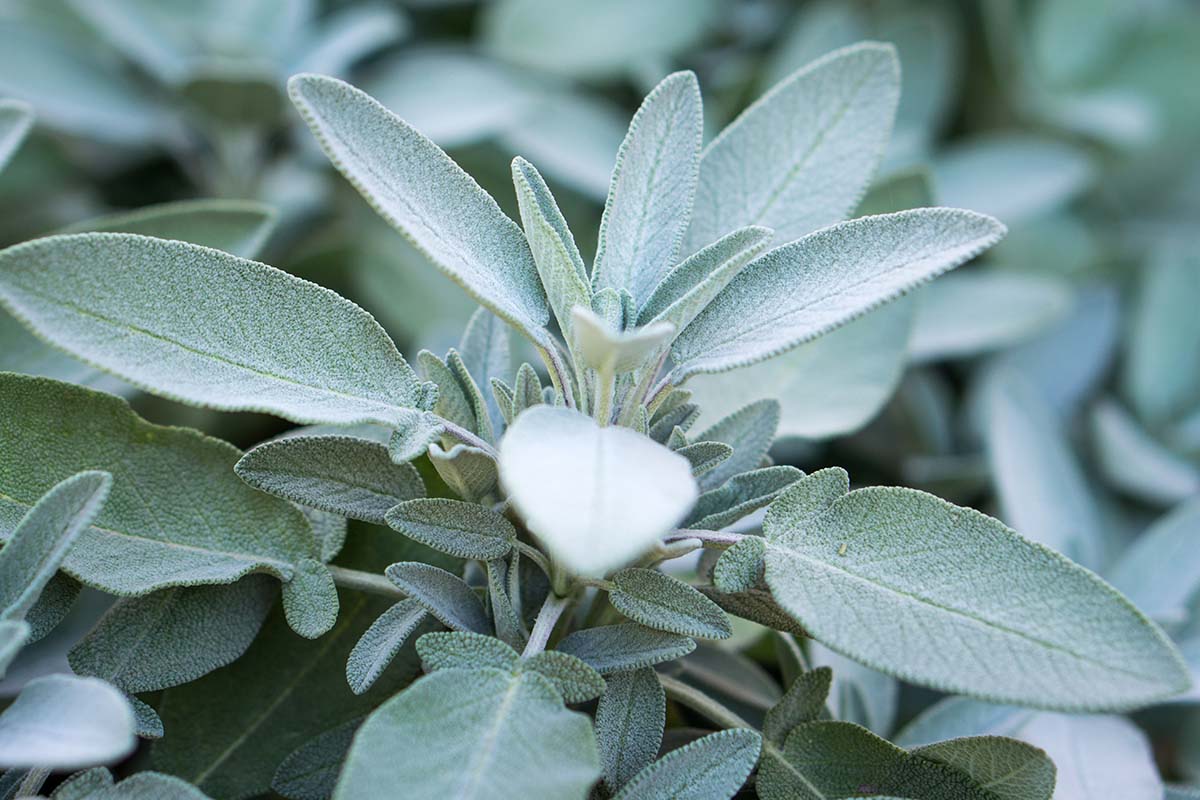
Sage is a tonic herb with many virtues making it one of the most valued medicinal plants of antiquity. The generic name Salvia means “to be saved” and this has made its way into many historical references about sage. In 1931 Maud Grieve wrote in A Modern Herbal that sage is sometimes spoken of as Salvia salvatrix or ‘Sage the Saviour’ and there is a saying from medieval times which, when translated from Latin, says “Why should a man die whilst sage grows in his garden?” Despite recently being pigeonholed as a menopause herb, and often thought of as purely a culinary herb for use in the kitchen, sage supports all bodily systems with major medicinal abilities. Its reputation as a climacteric herb is well founded as its hormone balancing properties can reduce menopausal symptoms, plus its astringent action gives it a drying tendency which has led to its use for the excessive sweating some women experience during this time. This tightening and toning is a valuable part of healing leaky or lax tissues. It can also quieten overzealous saliva glands (especially when supporting patients with Parkinson’s disease), cease lactation, ease a runny nose, calm excessive vaginal discharges and loose stools. 

Sage is a bitter herb with digestive and liver stimulant actions useful for encouraging the flow of digestive enzymes and promoting the appetite. This also explains its use in the preparation of fatty foods. Its carminative action helps ease gas and bloating. It also improves cholesterol and diabetes markers making it beneficial for people with diabetes and insulin resistance. Its astringency makes it the herbal go-to sore throat remedy long used for oral health and symptoms of laryngitis and tonsilitis along with its use as a gargle or mouthwash to assist in the healing of inflamed gums and mouth ulcers. It will enhance the immune system and help prevent infections, especially in the respiratory system, and autoimmune problems. 

Sage is a tonic for the nervous system, enhancing strength and vitality, and can be considered for nervous exhaustion, post-viral fatigue and general debility. Its cognitive enhancing effects may be beneficial for memory and attention in people with attention deficit hyperactivity disorder (ADHD), memory loss and Alzheimer’s symptoms. Its powerful antioxidant properties make it a traditional tonic for longevity where it helps delay the aging process and reduce the harmful effects of free radicals. It also has applications as an anti-inflammatory. All the more reasons to bring sage to the front of the spice rack and herbal dispensary.

References

Jones L. A Working Herbal Dispensary. Aeon:Glasgow. 2023. p317-8

Lovell Verinder E. Plants for the People. Thames and Hudson:Port Melbourne.

2020. p173

Grieve M. A Modern Herbal. Penguin Books:Middelsex. 1931. p701
News Image
News Category
News Summary
Sage, a revered medicinal herb since antiquity, is celebrated for its wide-ranging therapeutic properties, including hormonal balance, digestive support and cognitive enhancement, making it a powerful ally for overall health and vitality.

Add new comment

Lady’s Mantle

Submitted by admin on Mon, 09/23/2024 - 17:13

Lady’s Mantle was named so because the herb’s leaves are said to resemble a lady’s (particularly the Virgin Mary’s) waterproof cloak bringing to mind the doctrine of signatures which states that a herb’s appearance signals which ailments it can be affective for. High in tannins, giving it a moderate degree of astringency, lady’s mantle tones and tightens the tissues as well as the spirit where it can protect “like a cloak wrapping us up against threatening influences.”  

Lady’s Mantle has an affinity for the female reproductive system although it can be used for men too. It is most commonly used for all matters relating to lax tissues in the uterus and vaginal mucous membranes, especially in regard to excessive discharges. Herbalists work with this anti-inflammatory aspect to relieve period pains, regulate periods, to address fibroids and endometriosis and reduce heavy periods (particularly combined with shepherd’s purse (Capsella bursa-pastoris)), especially when there is a history of sexual abuse or trauma. It also has a role to play in easing the changes of menopause.  

Lady’s Mantle is also used to promote fertility although it does not work quickly (use for at least three months). It is often combined with other herbs like raspberry leaves (Rubus idaeus), red clover (Trifolium pratense) and nettle leaf (Urtica dioica). American clinical herbalist and bestselling author, Rosalee de la Foret, recommends the ideal way to trigger the toning and healing action is as a sitz bath for tears during labour, haemorrhoids or general postpartum healing, in which case she often combines it with ribwort (Plantago lanceolata), yarrow (Achillea millefolium) and calendula (Calendula officinalis). Historically lady’s mantle was used to heal wounds and staunch bleeding. Nowadays, it is an underutilised plant that deserves more of the spotlight. Its astringency provides a role in the treatment of diarrhoea, as a mouthwash for sores and ulcers and as a gargle for laryngitis.

References

Jones L. A Working Herbal Dispensary. Glasgow:Aeon. 2023. p.207-9

de la Forêt R. c2010-2022 www.HerbalRemediesAdvice.org. (accessed 20 Aug 2024). Available from https://www.herbalremediesadvice.org/alchemilla-vulgaris.html

McIntyre A. The Complete Women’s Herbal. London: Gaia Books Limited, 1994. p. 110

News Image
News Category
News Summary
Reveal how Lady’s Mantle, with its astringent properties, supports reproductive health, eases menstrual discomfort, promotes fertility, and aids in postpartum healing and wound care.

Add new comment

Botanical Name
Alchemilla vulgaris

Ginger - Nausea and Period Pain

Submitted by admin on Wed, 09/18/2024 - 17:12

Known as the ‘universal medicine’ in Ayurveda, ginger has been indispensable to Indian and Chinese medicine, and cuisine, since antiquity and it was one of the earliest spices to reach the West. An old Indian proverb says 'every good quality is contained in ginger' and it still remains one of the most popular herbs of our time. A close relative of turmeric (Curcuma longa), ginger has been widely studied with positive results for a variety of issues making it one of the more accepted herbs in Western medicine.

There are many studies, including observational studies, randomised controlled trials as well as multiple systematic reviews, including a Cochrane review, that suggest that ginger powder or extract may be safe and effective in treating the nausea and vomiting of pregnancy which rank high among the most common complaints during the early weeks of pregnancy. Regarding its use in gynaecology reproductive health guru Ruth Trickey says the warming properties of ginger make it useful for period pain that is improved by the application of heat or warm drinks. She says ginger is also useful for the many women who experience nausea and vomiting with their period. Ginger can aggravate the hot flushing of menopause so Trickey recommends its use for premenstrual and menstrual migraines but not when these occur around menopause. Ginger has also displayed significant efficacy controlling chemotherapy induced nausea and vomiting in experimental groups.

Trickey says ginger is an important herb in the first stage of acute infectious illness where it is traditionally used in conjunction with other herbs to facilitate a sweat. “The outcome of using ginger is to cause a lowering of the temperature, an effect similar to that of aspirin. It is possible that the observed benefits are also related to an anti-infective effect, as some components are known to have activity against the rhinoviruses which are implicated in the common cold.

References

HEC monograph

News Image
News Category
News Summary
Renowned in Ayurveda and Western medicine, delve into how ginger can offer relief for nausea, period pain, and chemotherapy-induced vomiting, while supporting immune health and aiding in temperature regulation.

Add new comment

Black Cohosh

Submitted by admin on Mon, 09/09/2024 - 17:09

Black cohosh is perhaps one of our most misunderstood herbs. Research on black cohosh’s mode of action has historically focused on its presumed hormonal (phytoestrogenic) activity but recent work suggests that it may in fact be acting as an antinociceptive agent. Re-examination of some of the writings of 19th and 20th century physicians and folk literature suggests that this mode of action may have been overlooked in modern experimentalists' in vitro and animal studies and in the very few well conducted human trials to date. The authors concluded that the common folk perception of this plant as a "remedy for female problems" may thus require revision as it may possess more general analgesic properties. “Future research will be hindered if the ancient wisdom is ignored and the synergy of the plant matrix is overlooked. A small number of studies in the Western medicine tradition have now begun to consider the link between black cohosh and pain, acknowledging what has been known for a long time.” 

Internationally renowned herbalist Rosemary Gladstar concurs and says black cohosh is not just ‘the menopause herb’, it has a long history of being used for the nervous system. She says there’s been so much research on it for the women’s reproductive system that its major use for the nervous system, and for stressed tight muscles, has been overlooked. While Gladstar uses it for stressed menopausal women she says her favourite use for black cohosh is for muscle tension and stress where it soothes and relaxes the smooth muscles in bad backs and sore limbs. She says it is a plant for women not just going through menopause but also cramping, pain and tension during the menstrual cycle. “It seems to have a balancing effect on the hormonal cycles of women and regulates the menstrual cycle.” 

American herbalist Jim McDonald echoes these sentiments and says it is important not to be reductionist, and dismissive, to the other virtues of plants by saying, for example, that black cohosh is a menopause herb. He says while the name of a problem, and the name of a herb, might be people’s introduction to herbalism it is not looking at the plant as a whole. “It doesn’t honour the plant or give herbalists the ability to know it as a dynamic individual plant”, he says. He warns herbalists not to use this plant as something for all women when they reach menopause. “It is a specific medicinal herb not a nourishing tonic to be taken by everyone everyday.” He says red clover (Trifolium pratense) is a more nutritious, nourishing food-like tonic for everyday. The specific medicinal profile for black cohosh is dull, achy inflammatory pain whether its muscle, uterine, tension or irritation in the prostate and headaches. McDonald says it acts in the rheumatoid spectrum of joint inflammation and for tender muscles in chronic fatigue syndrome. “A key indication is it has a strong effect on mood and disposition for people with a brooding, melancholy, dark cloud over their head with negative self-talk.”

References

Johnson TL, Fahey JW. Black cohosh: coming full circle?. J Ethnopharmacol. 2012;141(3):775-779. doi:10.1016/j.jep.2012.03.050

Gladstar R. Black Cohosh. [Internet]. Plant Walk video. Learning Herbs c2024. Available from https://www.learningherbs.com/products/plant-walks/categories/2154972023/posts/2176038680

McDonald J. Black Cohosh. [Internet]. Plant Walk video. Learning Herbs c2024. Available from https://www.learningherbs.com/products/plant-walks/categories/2154971239/posts/2176035651

News Image
News Category
News Summary
Long valued for more than just menopause, learn how Black Cohosh offers relief for muscle tension, inflammatory pain, and low mood through its calming, antinociceptive actions.

Add new comment

Holy Basil

Submitted by admin on Thu, 09/05/2024 - 09:20

Holy basil is closely related to the sweet basil (Ocimum basilicum) used in kitchens around the world. It is revered as being without equal for both its medicinal and spiritual properties. Along with “queen of herbs” and “elixir of life” holy basil is also known as tulsi, which means “beyond compare” in Sanskrit. It is also referred to as “Mother Nature of medicine” in the Hindu culture. In the Hindu religion every part of the plant, including the surrounding soil, is venerated and considered sacred.

The emerging science on holy basil, which reinforces ancient Ayurvedic wisdom, suggests that it is a tonic for the body, mind and spirit, that offers solutions to many modern-day health problems. Regular, ongoing, daily consumption of holy basil is recommended to prevent disease, assist in adaptation to the stresses of daily life and to promote general health, wellbeing and longevity. Human studies suggest it may assist in dealing with psychological and immunological stress. According to one of Australia's pioneers in integrative and holistic medicine, Professor Marc Cohen,“many of the physiological benefits of [holy basil] can be attributed to its ability to assist with the body's internal housekeeping and protection of the body from toxin-induced damage.” The question remains: “What can’t holy basil do?”.

Holy basil has become known as “liquid yoga” because, like yoga, it has a calming effect unlike caffeinated beverages, such a black and green tea and coffee, which are more like stimulating aerobic exercise. Prof. Cohen says holy basil can be considered adaptogenic through nurturing and nourishing the body, mind and spirit while fostering a sense of relaxation and wellbeing. “Like yoga,[holy basil] has a calming effect that leads to clarity of thought, along with a more relaxed and calm disposition. The cognitive and memory-enhancing properties of [holy basil] therefore differ from those of caffeine-containing beverages such as coffee and tea, which heightens arousal and may cause physical and mental agitation. Furthermore, [holy basil] does not produce the same physical dependence as caffeine and can be safely consumed on a regular basis without the fear of withdrawal effects,” he says. 

References

HEC Holy Basil monograph

News Image
News Category
News Summary
Esteemed as “liquid yoga,” uncover how Holy Basil supports mind, body, and spirit with adaptogenic, calming, and protective properties that promote clarity, resilience, and long-term vitality.

Add new comment

Immune Modulators

Submitted by admin on Mon, 08/26/2024 - 18:08

A healthy immune system is critical for general physical health and may contribute to mental health as well. Immune modulating herbs are herbs that broadly support the immune system. They can help the body defend against pathogens by adjusting the normal immune response to respond more effectively when a pathogen has been detected. These balancing herbs can be used in signs of excess, such as autoimmunity and allergies, and signs of deficiency as seen in frequent infections. They can be used prophylactically as well, especially during the winter months to help prevent viral infections such as the common cold and influenza. 

The immune system is increasingly found to be involved in the development of a number of chronic illnesses for which allopathic medicine has limited tools for treatment and especially prevention. Herbal medicines, specifically immune modulating herbs, are frequently being used in the treatment of chronic conditions. These conditions are inadequately managed by conventional medicine which offers exceptional symptomatic and emergency-oriented medicine but often fails to get to the cause of the problem and is plagued by side effects from its solutions. The term ‘effectiveness gap’ refers to an area of clinical practice in which available treatments are not fully effective. These include many of the chronic non-communicable and degenerative diseases that are now making the most pressing demands on healthcare systems in the developed world. Herbal medicine may be used independently in these contexts or to support orthodox treatment and counteract the side-effects of conventional drug therapy. When immune modulating herbs are used in this situation they are generally a significant part of an overall plan which will also include addressing diet, lifestyle, and other herbal formulas specific to the condition.

Immune modulating herbs are traditional tonics for supporting the immune system and are slower acting with a more prolonged effect as compared to immune enhancers (or stimulants). They are usually taken regularly for an extended period of time, often six months to a year or even a lifetime. They are generally considered safe for everyone’s use and are often taken traditionally in foods such as bone broth. Many immune modulating herbs are also adaptogens that help to restore balance in the immune system when there is a problem. 

Immune modulators: Herbs such as astragalus, cordyceps (pictured above), lion’s mane, reishi, schizandra, Siberian ginseng, withania.

References

Nodland S. What is an Immunomodulator, and How Does it Help Support Immunity? Wellmune c.2021. (updated 7 May 2020;accessed 20 Aug  2024).Available from https://www.wellmune.com/2020/05/07/what-is-an-immunomodulator-and-how-does-it-help-support-immunity/

Haddad PS, Azar GA, Groom S, Boivin M. Natural health products, modulation of immune function and prevention of chronic diseases. Evid Based


Complement Alternat Med. 2005 Dec;2(4):513-20. doi: 10.1093/ecam/neh125. Epub 2005 Oct 20. PMID: 16322809; PMCID: PMC1297498.

Flower A, Lewith G, Little P. Combining rigour with relevance: a novel methodology for testing Chinese herbal medicine. Journal of Ethnopharmacology. 2011;134:373–8.

McClure L, Flower A, Price S. Scoping the Evidence for the Effectiveness of Herbal Medicines
A Selective Review on behalf of the European Herbal and Traditional Medicine Practitioners Association (EHTPA) May 2016.

Immunomodulating. Taste of Herbs sweet module. Learning Herbs Course. c2021. (accessed 19 Aug 2024). Available https://www.learningherbs.com/products/taste-of-herbs/categories/2155184955/posts/2177002950

News Image
News Category
News Summary
Examine immune modulating herbs like Astragalus, Cordyceps, Lion’s Mane, Reishi, Schizandra, Siberian Ginseng, and Withania, which balance immune response and support long-term wellness and chronic condition treatment.

Add new comment

Immune Stimulants

Submitted by admin on Wed, 08/21/2024 - 18:10

Our immune system is incredibly complex and well designed to keep our inner and outer worlds living in relative harmony. This is achieved by an elegant and intricate set of cells, proteins and organs whose purpose is to protect our bodies from infections and disease, and to help injury recovery. This makes it essential to our survival but unfortunately there are many aspects of modern living that disrupt this delicate balance. 

 On the whole the immune system does a remarkable job of defending against disease-causing microorganisms but sometimes it fails and a germ will invade successfully causing sickness. Whether a person succumbs to pathogens often comes down to the state of their body with stress, tiredness and nutrition all playing a part. An infection seldom takes over a well-nourished, well rested body. There are many ways to keep the immune system healthy including eating well, exercising and getting enough sleep. These can contribute to a strong, healthy, empowered individual who is resistant to infection and disease. 

Infection stimulates the immune system into producing antibodies, or other infection fighting constituents. Immune stimulation aims to increase the immune reaction before infection, or other disease, strikes as a means of preventing the infection or disease. Western medical doctors seek to boost immune system activity by prescribing things like chemotherapeutic agents such as methotrexate, a very strong antimetabolite medicine with many potential serious side effects, that arrests abnormal cellular growth. The modern medicine bag also contains vaccines which may contain either dead, or weakened bacteria or viruses, or other materials such as inactive toxins. Upon injection the vaccine artificially stimulates the body's immune system to produce antibodies against the perceived pathogen.  

In contrast herbalists and naturopaths use plants to stimulate or potentiate the body's own defence mechanisms rather than substitute for them. This way the body's natural balance is preserved and side effects are either not present or substantially reduced. Although both vaccines and herbs elicit an immune response, vaccines boost the body's response to a specific pathogen whereas herbs tend to enhance overall immunity. The immunological activity of different herbal medicines is being increasingly documented with labels such as immune enhancers being ascribed to herbs which enhance non-specific resistance and enhance or stimulate one or more aspects of the immune system, such as immune components that are beneficial in fighting pathogens. 

The key to resistance, and a strong foundation of health, is to support the body so that it can use its own innate intelligence to fight off disease. Given that the modern virus remains as elusive as it ever was an emphasis on strengthening defences is appropriate. Below are some immune stimulants (enhancers) which may help support a healthy immune system in combination with general healthy living strategies.  

Immune enhancers (immune stimulants): Herbs which stimulate one or more aspects of the immune system. Herbs such as andrographis, cat’s claw, codonopsis (pictured above), echinacea, Korean ginseng, liquorice, poke root, reishi, and Siberian ginseng.

References

Low Dog T. Immune health – a deep dive. Medicine Lodge Academy. Available from https://medicine-lodge-ranch.teachable.com/p/immune-health1/?product_id=2959404&coupon_code=FORTIFY&mc_cid=ec51701a38&mc_eid=26aee821c7

Immune stimulation, as a vaccine. Encyclopaedia.com. c 2019. (accessed 9 June 2021). Available from https://www.encyclopedia.com/science/encyclopedias-almanacs-transcripts-and-maps/immune-stimulation-vaccine

Zimmerman M. Immune Enhancers. The Chiropractic Resource Organization. (updated Feb 1999: accessed 12 Aug 2024) Available from https://chiro.org/Graphics_Box_NUTRITION/FULL/Immune_Enhancers.shtml

Bone K, Mills S. Principles and Practice of Phytotherapy. 2nd ed. Edinburgh:  Churchill Livingstone Elsevier; 2013. p.130. p.238

News Image
News Category
News Summary
Investigate how immune enhancers, such as Echinacea, Reishi, and Siberian Ginseng, stimulate the immune system, supporting overall resistance and complementing healthy living practices.

Add new comment

Raspberry

Submitted by admin on Mon, 08/05/2024 - 18:00

Raspberry leaf has long been pigeon holedas a women’s uterine tonic and while it does make childbirtheasier it is also known for its ability to address inflammation in the mouth and throat, for allergies andinfluenza with copious free discharge of clear mucous and for diarrhoea. Raspberry leaftones the mucousmembranes throughout the body and soothes the kidneys and urinary tract.

Raspberry’s astringent and stimulating properties help to strengthen and tone the uterine and pelvicmuscles, while the relaxing and soothing properties relax theuterus at the same time. This acts to reducethe pain of uterine contractions during childbirth and also make the contractions more effective andproductive, thereby easing and shortening the duration of the birth and reducing the risk ofhaemorrhage. Itcan also aid with production and maintenance of breastmilk, as an adjunctive treatmentfor menorrhagia, and as a general and uterine tonic following surgery to the uterus, for example, theremoval of fibroids, termination of pregnancy or a curette.

In our latest naturopathic guide on uterine fibroids, raspberry extract is one of the herbs listed forconsideration to include in treatment plans.Raspberry leaf can be beneficial for uterine fibroids as it canhelp soothe the pelvic pain anddecrease the heaviness of the periods associated withfibroids

References

de la Forêt R. Raspberry monograph. [Internet] Herb Mentor:Learning Herbs c2020[accessed Jul 15 2020.] Available fromhttps://herbmentor.learningherbs.com/herb/raspberry/

Hechtman L. Advanced Clinical Naturopathic Medicine. Elsevier Australia:Chatswood.2020. p. 439

HEC The Naturopath's Guide to Uterine Fibroids

News Image
News Category
News Summary
Unveil how Raspberry leaf not only supports childbirth by easing uterine contractions but also helps alleviate inflammation in the mouth, throat, and urinary tract, while benefiting uterine fibroids and menstrual health.

Add new comment

Sarsaparilla

Submitted by admin on Mon, 07/22/2024 - 15:36

To many Australians sarsaparilla is a uniquely flavoured, old-fashioned soft drink which is sold under the brand name SARS. That is SARS as in "sarsaparilla" not SARS the lethal virus, bringing into question the old adage that ‘any publicity is good publicity’. Strangely enough, sales of this soft drink actually increased during the SARS epidemic, with a BBC news website reporting that some people were asking, “Is this a medicine for SARS or protection against SARS?”. 


However, despite this PR nightmare, the Smilax species have a long history in folk medicine for the treatment of inflammation. A build-up of toxins in the body is linked to inflammation and this species promotes the elimination of toxic waste. The native people of the Amazon area know sarsaparilla as a blood cleanser (alterative) and have traditionally used it to re-establish virility in men, to treat the symptoms of menopause in women, for urinary complaints and as a cough remedy. The late Dorothy Hall said for teenage acne sarsaparilla is often prescribed with liver regulators like dandelion (Taraxacum officinale) and fenugreek (Trigonella foenum-graecum)…”If you still ‘break out’ on the face before a period, or suffer spotty eruptions around the neck and the hairline past the twenties, sarsaparilla may be needed to help your hormones ‘decide’ on their levels of production." 


Sarsaparilla’s most enduring recommendations have been for rheumatism and psoriasis. It is particularly useful when there is a lot of irritation. Sarsaparilla was extensively studied as a treatment for psoriasis in the early 20th century prior to the development of many of the steroidal type drugs in common use today. The studies were not nearly as rigorously constructed as modern trials but they show some compelling evidence nevertheless. This is especially persuasive given how difficult it is to successfully treat psoriasis. Two to three months of treatment were commonly required but more than 50% of the people suffering from psoriasis improved when given large daily doses of sarsaparilla extracts. The patients who received the most benefit had chronic plaque psoriasis.

References

Eslick GD. SARS in a can! The Medical Journal of Australia. 6 Dec 2004 https://doi.org/10.5694/j.1326-5377.2004.tb06477.x

Tian L-W, Zhang Z, Long H-L, Zhang Y-J. Steroidal Saponins from the Genus Smilax and Their Biological Activities. Natural Products and Bioprospecting. 2017;7(4):283-298. doi:10.1007/s13659-017-0139-5.

Hall D. Dorothy Hall’s Herbal Medicine. Sydney:Lothian. 1988. p. 273.

Thurmon FM. The Treatment of Psoriasis with a Sarsaparilla Compound. July 23, 1942. N Engl J Med 1942; 227:128-133

News Image
News Category
News Summary
Uncover how Sarsaparilla, a traditional remedy for inflammation and detoxification, can be used to address acne, rheumatism, and psoriasis, with promising results in chronic conditions.

Add new comment

Lion's Mane and Brain Health

Submitted by admin on Mon, 06/24/2024 - 18:08

Winning the “mushroom with the most unique appearance award” lion’s mane, with its beautiful cascading white icicles, is extraordinary in more than just its looks. Typically it is known for its ability to support the health of the brain and nervous system along with supporting gut health.

Lion’s mane played a role in Asian culture and traditional Chinese medicine (TCM) long before it was introduced to the West. In Chinese and Japanese medical systems lion’s mane has traditionally been used to fortify the spleen, nourish the gut and as an anticancer herb. It is said to be nutritive to the five internal organs (liver, lung, spleen, heart and kidney), and promotes good digestion, general vigour and strength. Traditional use of lion’s mane in China and Japan has focused on its benefits for the gut, in particular its antimicrobial and immunologic properties as applied to conditions such as gastric and duodenal ulcers, chronic gastritis and gastric and oesophageal cancer. 

Lion’s mane is also known for its effects on the central nervous system and is used for insomnia and weakness which are characteristic symptoms of Qi (life force) deficiency in TCM. Buddhist monks were said to have made tea using lion’s mane mushroom powder to enhance brain function and heighten their focus during meditation. Human clinical trials, though still relatively small at this stage, have reinforced the ability of lion’s mane to support brain health, revealing significantly improved cognitive function and a reduction in depression and anxiety. The ability of lion’s mane to promote nerve growth and protect the brain from Alzheimer’s-related damage may explain some of its beneficial effects on brain health. However, it is important to note that most of the research has been conducted on animals or in test tubes. Therefore, more human studies are needed.

References

Lion’s Mane Mushroom. NatMed c2024 Therapeutic Research Center.  (updated 19 Jan 2024; accessed 12 Jun 2024). Available from https://naturalmedicines.therapeuticresearch.com/databases/food,-herbs-supplements/professional.aspx?productid=1536

Spelman K, Sutherland E, Bagade A. Neurological Activity of Lion’s Mane (Hericium erinaceus). Journal of Restorative Medicine. 2017 March 6(1)12:19-26 (8)

Julson E. 9 Health Benefits of Lion’s Mane Mushroom (Plus Side Effects) c2024 Healthline Media  (updated Jan 12 2024; accessed 26 Mar 2024). Available from https://www.healthline.com/nutrition/lions-mane-mushroom

News Image
News Category
News Summary
Known for its unique appearance, Lion’s Mane supports brain health, enhances cognitive function, aids digestion, and promotes gut health. Learn about its uses in traditional Chinese and Japanese medicine.

Add new comment